Dental implants are one of the most reliable and long-lasting solutions for replacing missing teeth. While the procedure itself is carefully planned and performed by skilled dental professionals, it’s the recovery phase that plays a crucial role in the long-term success of your implant. Knowing what to expect after your dental implant surgery can help you feel more confident and prepared as you heal.
Immediate Post-Surgery: First 24 to 48 Hours
After the dental implant procedure, it's normal to experience some discomfort, swelling, and minor bleeding. Your dentist may prescribe pain relievers and antibiotics to manage any discomfort and prevent infection. Ice packs applied to the outside of your cheek can help reduce swelling. During this time, it's best to stick to a soft food diet and avoid hot beverages or strenuous activity.
First Week: Healing and Adjustments
By the third or fourth day, most of the swelling and pain should begin to subside. However, it’s important to follow your dentist’s instructions closely. Avoid chewing on the implant site and continue with soft foods such as yogurt, smoothies, mashed potatoes, and soup. Good oral hygiene is essential—gently brush your teeth while avoiding the surgical area and consider using a saltwater rinse to keep your mouth clean.
You may return to normal daily activities after a few days, but be mindful of anything that causes discomfort around the implant site.
Osseointegration: The Healing Phase
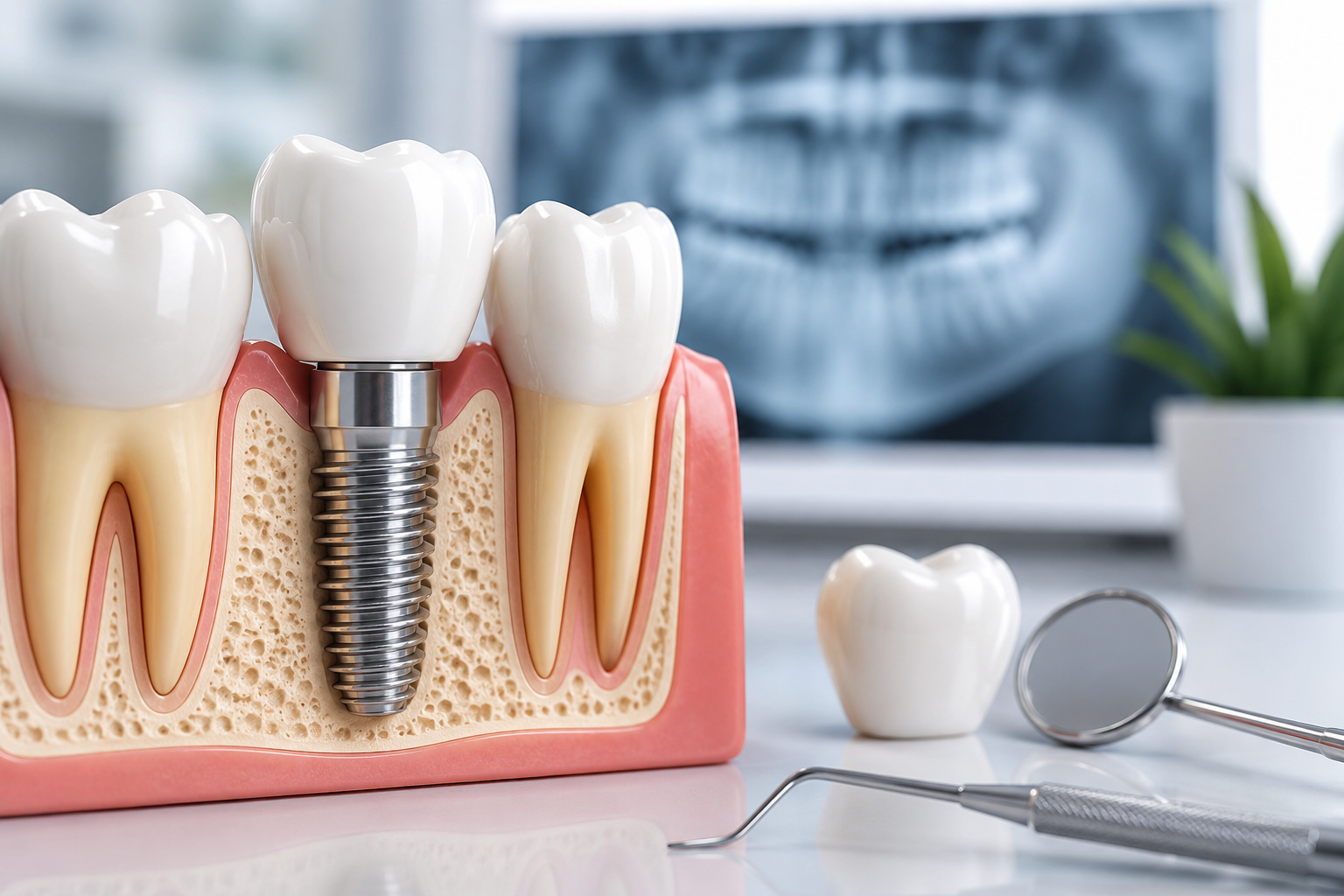
The most important part of dental implant recovery is a process called osseointegration, where the titanium implant fuses with the jawbone. This can take anywhere from 3 to 6 months, depending on your individual health and how well you follow post-op care instructions. During this time, you may have follow-up visits to ensure proper healing.
Although you won't feel the implant integrating with the bone, your dentist will monitor its stability during check-ups. Avoid smoking, as it can interfere with healing and increase the risk of implant failure.
Final Restoration: The Crown Placement
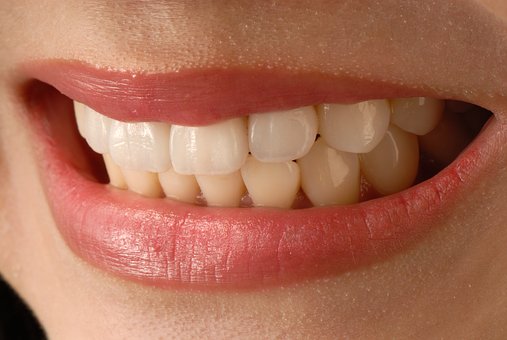
Once the implant has fully integrated with your bone, your dentist will place the abutment and custom crown, completing your restoration. At this point, your new tooth will look, feel, and function just like a natural one.
Conclusion
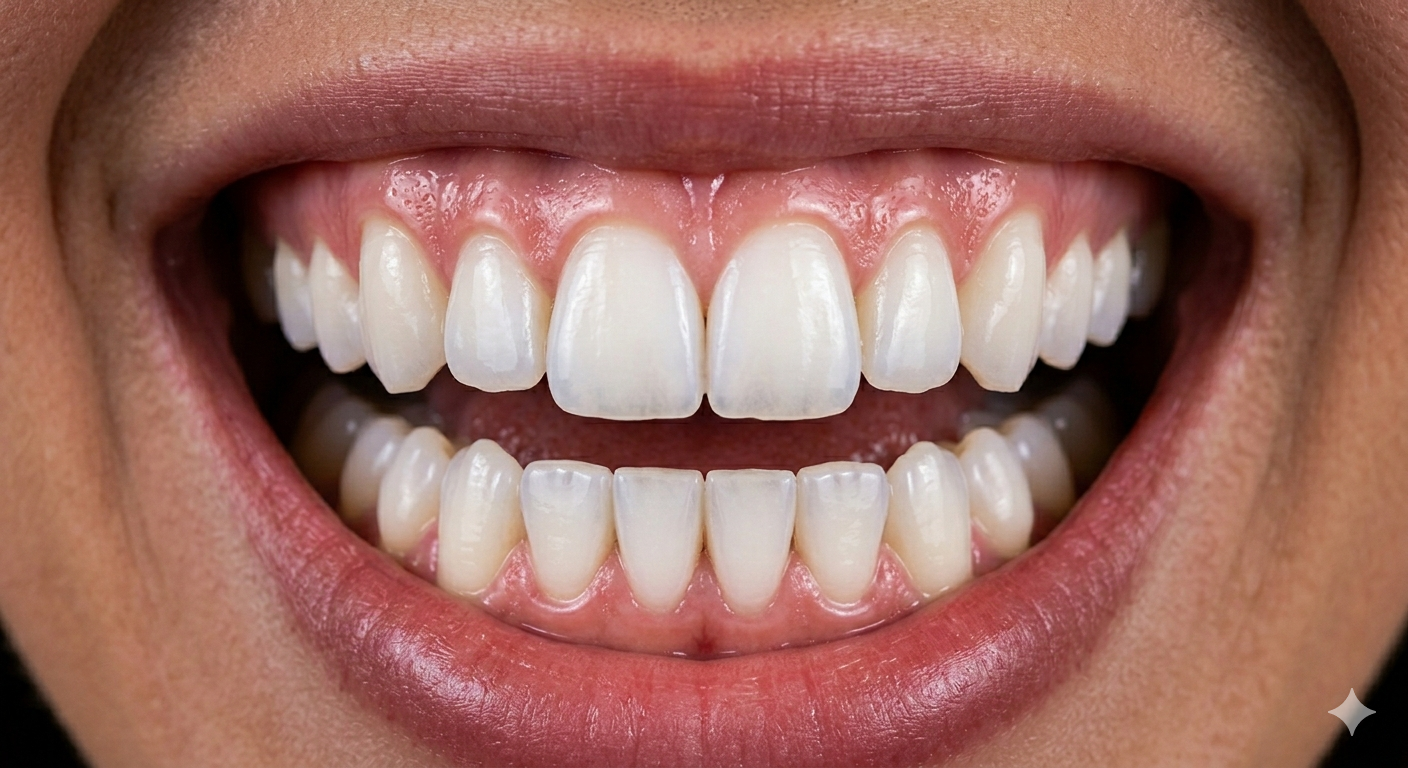
Recovery from a dental implant is generally smooth when you follow your dentist’s care instructions and maintain good oral hygiene. While patience is essential, the end result—a beautiful, strong, and functional smile—is well worth the wait.
If you have questions about whether dental implants are right for you or want to learn more about the recovery process, contact your dentist for a personalized consultation.