Acrylic acid, a vital chemical compound driving numerous industries, has become increasingly significant in today's manufacturing landscape. This colorless liquid with its distinctive acrid odor has evolved from a simple industrial chemical to a cornerstone of modern manufacturing, playing a crucial role in products ranging from diapers to coatings and adhesives
.Chemical Structure and Properties
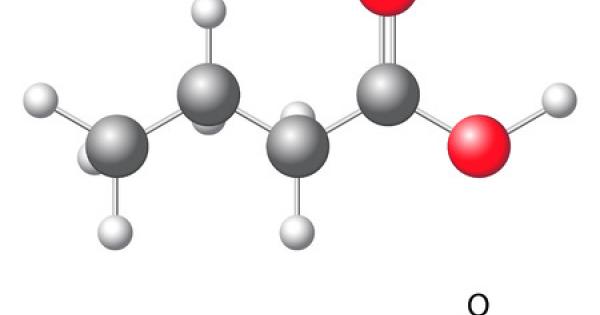
Acrylic acid (CH2=CHCOOH) is an organic compound belonging to the family of unsaturated carboxylic acids. Its molecular structure, featuring a vinyl group connected to a carboxylic acid terminus, grants it unique reactive properties. At room temperature, it appears as a clear liquid with a freezing point of 13°C and a boiling point of 141°C. The compound's high reactivity stems from its double bond and carboxyl group, making it an excellent starting material for various polymerization reactions.Industrial Production MethodsThe production of acrylic acid has undergone significant evolution over the decades. The most common modern method involves the two-step oxidation of propylene, where propylene is first converted to acrolein and then further oxidized to acrylic acid. This process, developed in the 1960s, remains the industry standard due to its efficiency and cost-effectiveness.Alternative production methods include the hydrolysis of acrylonitrile and the catalytic oxidation of propane. Recent technological advances have also introduced bio-based production methods, utilizing renewable resources like glycerol or lactic acid as starting materials, addressing growing sustainability concerns in the chemical industry.
Commercial Applications and Market Impact
The versatility of acrylic acid has established its presence across multiple industries. The superabsorbent polymer (SAP) sector consumes the largest share, using acrylic acid to produce materials essential in personal care products like diapers and feminine hygiene products. The coating industry utilizes acrylic acid derivatives in paints, varnishes, and protective coatings, while the adhesive sector incorporates it into various bonding agents.The textile industry employs acrylic acid-based compounds in fiber treatment and fabric finishing. Additionally, the water treatment sector uses its derivatives for scale prevention and water purification processes. This wide-ranging applicability has created a robust global market, with annual production exceeding several million tons. The handling and storage of acrylic acid require stringent safety protocols due to its corrosive nature and potential health hazards. The compound can cause severe skin burns and eye damage, necessitating proper personal protective equipment during handling. Its tendency to polymerize spontaneously requires the addition of stabilizers during storage and transportation.Environmental concerns regarding acrylic acid production and use have led to increased focus on sustainable manufacturing practices. Industry leaders have invested in developing closed-loop systems and improved waste management protocols to minimize environmental impact. The emergence of bio-based production methods represents a significant step toward reducing the industry's carbon footprint.The global acrylic acid market continues to expand, driven by increasing demand from emerging economies and growing applications in various sectors. Asia-Pacific dominates the market, with China leading in both production and consumption. The region's rapid industrialization and growing middle class have spurred demand for consumer products containing acrylic acid-based materials.Technological innovations are reshaping the industry landscape. Research into more efficient catalysts and process optimization continues to improve production efficiency. The development of bio-based alternatives and environmentally friendly production methods is gaining momentum, supported by stricter environmental regulations and growing consumer awareness.
Supply Chain and Economic Implications
The acrylic acid supply chain demonstrates the interconnected nature of modern chemical manufacturing. Production facilities require steady access to propylene or alternative feedstock, while maintaining complex distribution networks to serve diverse end-users. Market volatility in raw material prices, particularly propylene, significantly impacts production costs and market dynamics.Recent global events, including the COVID-19 pandemic and geopolitical tensions, have highlighted the importance of supply chain resilience in the acrylic acid industry. Companies are increasingly focusing on regional production capabilities and diversifying their supplier networks to mitigate risks.
Research and Development Initiatives
Ongoing research in acrylic acid technology focuses on several key areas. Scientists are exploring novel catalysts to improve conversion efficiency and selectivity in traditional production methods. Biotechnology researchers are developing new enzymatic processes for bio-based production, while materials scientists work on enhancing the properties of acrylic acid-based products.Innovation extends to application development, with new uses emerging in fields like 3D printing materials and advanced coatings. These developments continue to expand the compound's market potential and drive industry growth
Get this Report in Japanese Language
Get this Reports in Korean Language
Read More Articles Related to this Industry- The Role of Sustainability in Lithium Hydroxide Production: Company Initiatives
About Author:
Priya Pandey is a dynamic and passionate editor with over three years of expertise in content editing and proofreading. Holding a bachelor's degree in biotechnology, Priya has a knack for making the content engaging. Her diverse portfolio includes editing documents across different industries, including food and beverages, information and technology, healthcare, chemical and materials, etc. Priya's meticulous attention to detail and commitment to excellence make her an invaluable asset in the world of content creation and refinement.
(LinkedIn- https://www.linkedin.com/in/priya-pandey-8417a8173/)