


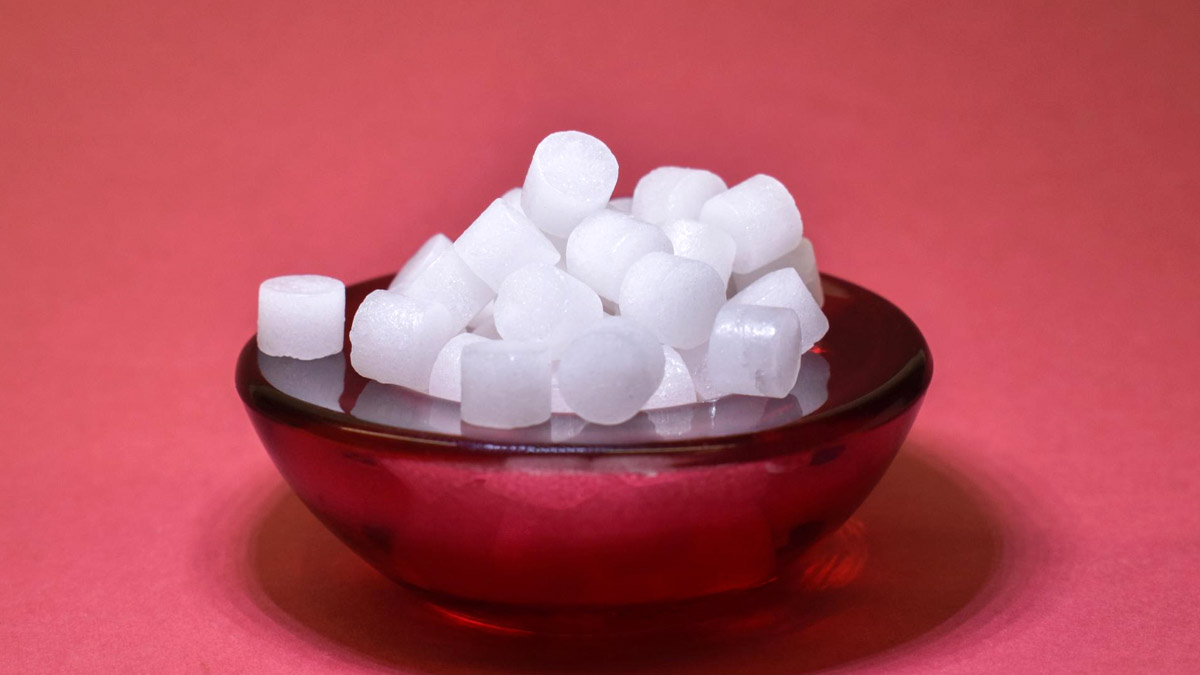
Historical Significance and Origin
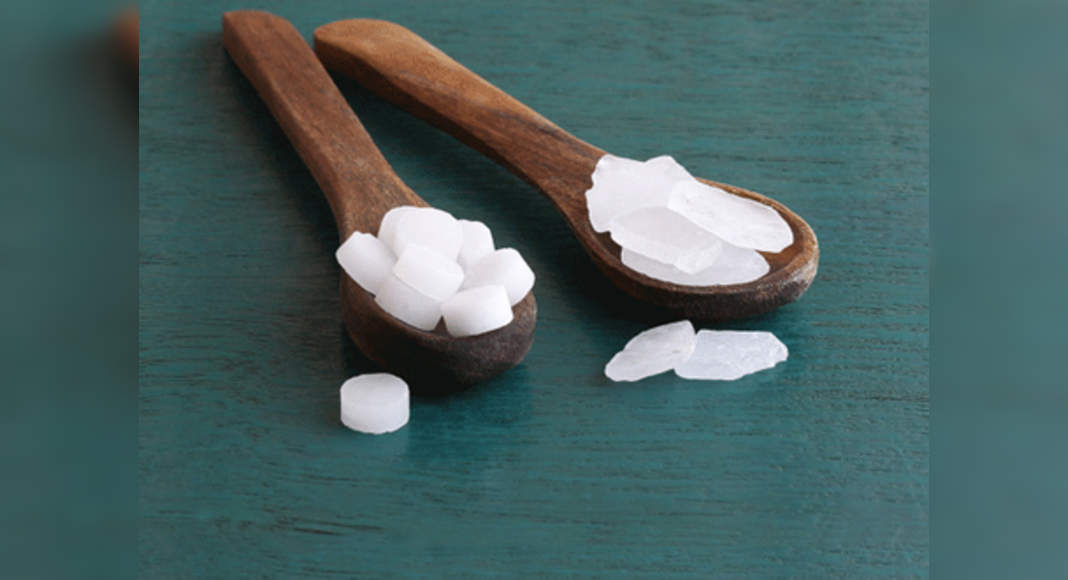
Camphor, a waxy, flammable substance with a strong aromatic odor, has been an integral part of traditional medicine systems for centuries. Originally extracted from the wood of the camphor laurel tree (Cinnamomum camphora), native to East Asia, particularly China, Taiwan, and Japan, this remarkable compound has found its way into various cultural practices and therapeutic applications worldwide. The ancient trade routes that transported camphor from Asia to Europe and the Middle East contributed significantly to its global recognition and utilization. Traditional Chinese and Indian medicine systems have documented extensive use of camphor for its medicinal properties, making it one of the oldest known natural remedies.
Chemical Composition and Modern Production
Today's commercial camphor is primarily synthesized from turpentine oil, although natural extraction still occurs in some regions. Chemically, camphor (C₁₀H₁₆O) belongs to the terpenoid family, specifically as a bicyclic monoterpene ketone. The modern production process involves the distillation of turpentine followed by chemical treatment to create synthetic camphor, which is chemically identical to its natural counterpart. This synthetic production has made camphor more accessible and economically viable for various industrial applications while maintaining its essential properties.
Medicinal Applications and Health Benefits
Camphor versatile medicinal properties have made it a valuable ingredient in numerous healthcare products. As a topical analgesic, it provides relief from muscle aches, joint pain, and minor arthritis symptoms. The compound's ability to stimulate nerve endings creates a warming sensation that helps alleviate pain and reduce inflammation. Additionally, camphor serves as an effective decongestant when used in vapor rubs and inhalants, helping clear nasal passages and relieve respiratory congestion.The substance also demonstrates significant antimicrobial properties, making it useful in treating various skin conditions. When properly diluted, camphor can help combat fungal infections, reduce itching, and promote healing of minor wounds. Its inclusion in many over-the-counter medications highlights its continued importance in modern medicine.
Industrial and Household Uses
Beyond its medical applications, camphor plays a crucial role in various industrial processes. It serves as a plasticizer in the manufacture of celluloid and other plastics, contributing to their flexibility and durability. The compound is also widely used in the production of moth repellents, as its strong aroma effectively deters these insects and other household pests.In religious and cultural practices, camphor remains significant in many societies. It's commonly used in Hindu religious ceremonies and traditional Asian funeral rites. The substance's ability to produce a clean, aromatic flame makes it particularly suitable for these ceremonial purposes.
Safety Considerations and Proper Usage
While camphor offers numerous benefits, its proper use requires careful attention to safety guidelines. The compound can be toxic if ingested or used in excessive amounts on the skin. Modern regulations typically limit camphor concentration in over-the-counter products to ensure safe use. Products containing camphor should never be applied to broken skin or used on children under two years of age without medical supervision.Proper storage is equally important, as camphor should be kept away from heat sources due to its flammable nature. Users should always follow product instructions carefully and be aware of potential allergic reactions or sensitivity to the compound.
Environmental Impact and Sustainability
The shift from natural to synthetic camphor production has helped reduce pressure on camphor laurel trees, which were historically over-harvested. However, this transition raises questions about environmental sustainability, as synthetic production relies on petroleum-based resources. Some regions maintain traditional harvesting methods, promoting sustainable forestry practices while preserving traditional knowledge and skills.
Modern Research and Future Prospects
Current scientific research continues to uncover new potential applications for camphor. Studies are exploring its possible role in cancer treatment, as some research suggests it may have anti-tumor properties. Additionally, investigations into camphor's antimicrobial properties could lead to new applications in fighting antibiotic-resistant bacteria.The compound's natural pest-repellent properties are also being studied for potential agricultural applications, offering environmentally friendly alternatives to synthetic pesticides. These ongoing research efforts may expand camphor's utility in various fields while maintaining its historical significance in traditional medicine.
Quality Control and Market Standards
The global camphor market operates under strict quality control measures to ensure product safety and efficacy. International standards govern the production, packaging, and labeling of camphor-containing products. These regulations help maintain consistency in product quality while protecting consumers from potential hazards associated with improper use or contaminated products.
Get more insights on - Camphor
Get this report in Japanese language-樟脳
Get this report in Korean language- 장뇌
About Author:
Vaagisha brings over three years of expertise as a content editor in the market research domain. Originally a creative writer, she discovered her passion for editing, combining her flair for writing with a meticulous eye for detail. Her ability to craft and refine compelling content makes her an invaluable asset in delivering polished and engaging write-ups.
(LinkedIn: https://www.linkedin.com/in/vaagisha-singh-8080b91)
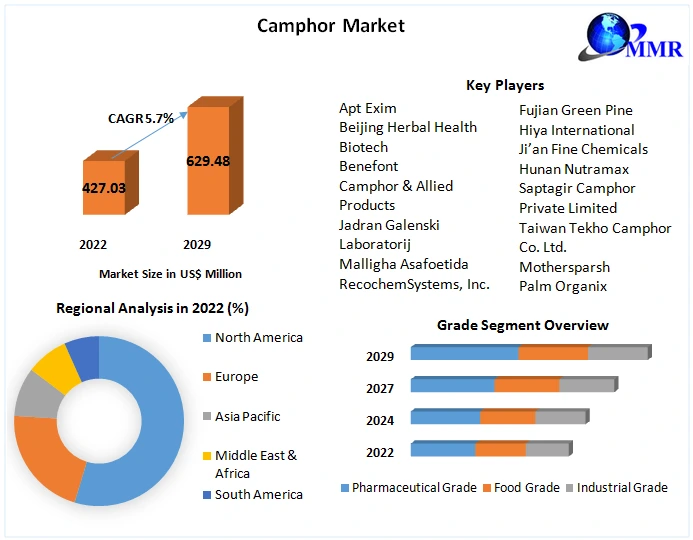
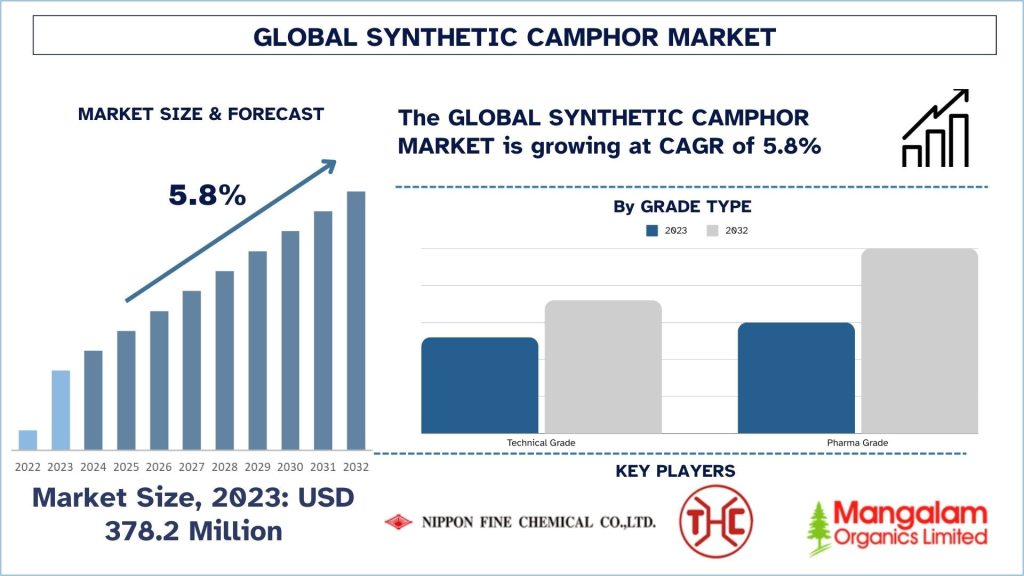
Among this pharmaceutical is expected to dominate the overall market and is projected to reach a remarkable CAGR by 2027.
Further, it is widely used I the form of liquid oil in pharmaceutical sector for making medicines.Camphor market is expected to register a CAGR of 7.4% over the forecast period.
The camphor is expected to reach valuable USD million by the end of 2027.
Additionally, it has several applications in various sectors such as agriculture and pharmaceutical and others which are expected to raise the demand of the camphor in upcoming years.
The market is mainly expanding on the back of the growth and expansion of pharmaceutical industries in the region.Rising demand of foodAdequate dosage of the camphor doesn’t harm the human body.
Advancement and research activities in pharmaceutical for making more effective dosage by using camphor is expected to foster the growth of the camphor market during the forecast period.In contrast, high flammability nature of the camphor is anticipated to negatively impact the growth of the dimethyl camphor market during the forecast period.The report titled “Camphor Market: Global Demand Analysis & Opportunity Outlook 2027” delivers detailed overview of the global camphor market in terms of market segmentation by form, Application, and by region.Further, for the in-depth analysis, the report encompasses the industry growth drivers, restraints, supply and demand risk, market attractiveness, BPS analysis and Porter’s five force model.Request Sample Research Report at: https://www.researchnester.com/sample-request-994This report also provides the existing competitive scenario of some of the key players of the global camphor market which includes company profiling of Taiwan Tekho Camphor Co., Ltd., Indukern Internacional, The Ji’An Cedar Fine Chemical Co., Ltd., Hiya International, Saptagir Camphor Ltd., Mangalam Organics Limited, ther Prominent Player.