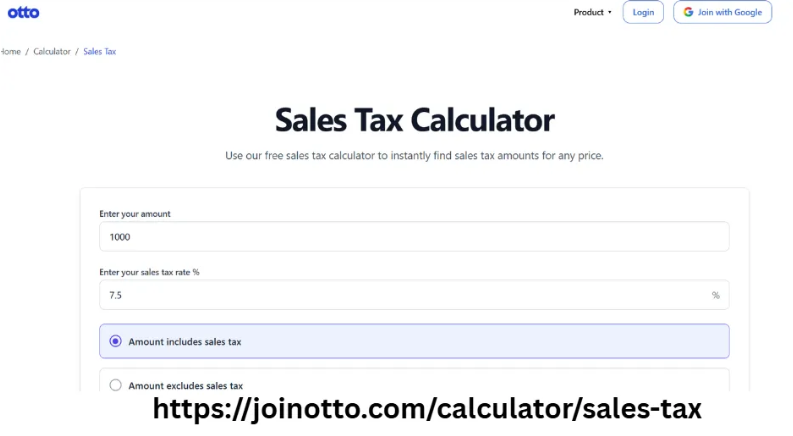
A sales tax audit is an essential aspect of the tax system that ensures businesses comply with their obligations to collect and remit sales taxes. Whether you are a small business owner or the head of a large corporation, understanding the sales tax audit process is crucial to avoiding penalties and maintaining legal compliance. Exploring the role of a sales tax audit in business operations reveals why it is important for long-term success.
What Is a Sales Tax Audit?
In essence, a sales tax audit is an official review by tax authorities of a business's sales records, tax filings, and associated financial documentation. The goal is to determine whether the business has been correctly reporting and remitting sales tax. The auditor will examine various documents, such as:
Invoices and Receipts: To verify that sales tax was applied correctly on each transaction.
Tax Filings: To ensure that the business is filing accurate tax returns.
Exemption Forms: To confirm that any claimed tax exemptions are valid.
Why Do Businesses Undergo a Sales Tax Audit?
A sales tax audit serves multiple functions for both tax authorities and businesses:
Verification of Accuracy: Auditors verify that businesses are charging, collecting, and remitting the correct amount of sales tax. This is critical for ensuring that businesses meet their legal obligations.
Preventing Tax Evasion: A sales tax audit helps detect cases of tax evasion, where businesses intentionally or unintentionally underreport taxable sales to avoid paying the correct amount of tax.
Ensuring Fairness: By conducting audits, tax authorities ensure that all businesses pay their fair share of taxes and that no one is unfairly benefiting from improper tax filings.
Key Areas Examined During a Sales Tax Audit
Several critical areas are closely examined during a sales tax audit, including:
Sales and Purchases Records: Auditors analyze sales records to confirm that tax has been applied correctly to taxable transactions.
Tax Returns and Payments: The audit includes a review of tax returns and payments made to confirm that the taxes owed were remitted accurately and on time.
Exemptions and Deductions: Businesses must ensure that any exemptions or deductions claimed on their sales tax filings are legitimate and well-documented.
Benefits of a Sales Tax Audit for Businesses
Undergoing a sales tax audit can provide valuable insights into a business’s financial operations:
Improved Tax Practices: Audits help identify gaps in tax reporting and improve internal processes, reducing the likelihood of future mistakes.
Increased Accuracy: Audits promote the importance of accurate record-keeping and financial reporting, which is beneficial for both business operations and tax compliance.
Reduced Risk of Penalties: Businesses that undergo regular audits are less likely to face substantial fines or penalties for non-compliance, as they are proactively addressing potential issues.
How to Handle a Sales Tax Audit
While a sales tax audit may seem overwhelming, handling it with preparation and professionalism can ensure that the process goes smoothly:
Keep Detailed Records: Ensure that your business’s financial records are complete, up-to-date, and easily accessible.
Understand Local Tax Laws: Tax laws can vary greatly by state or jurisdiction, so ensure you are familiar with the specific rules for your location.
Consult with a Professional: A tax expert can help you identify potential issues and advise you on the best way to handle the audit.
Conclusion
A sales tax audit is a necessary part of maintaining a business’s tax compliance. While audits may seem intimidating, they are an opportunity to ensure that your business is operating within the boundaries of the law. By keeping detailed records, being proactive, and working with a tax advisor, you can ensure that your business remains compliant and avoid costly penalties.