Embracing AI: A Smarter Future for HVAC Systems
As the world moves toward smarter and more connected infrastructures, artificial intelligence (AI) is becoming a driving force behind innovation across multiple industries. One field seeing dramatic transformation is Heating, Ventilation, and Air Conditioning (HVAC), where AI is not only optimizing energy use but also revolutionizing how facilities are managed and maintained.
The Rise of AI in Building Management
Modern commercial and industrial buildings are complex ecosystems that rely on seamless integration of mechanical, electrical, and control systems. Historically, managing these systems required manual monitoring, constant oversight, and significant human expertise. But today, AI is stepping in to automate many of these tasks—bringing a new level of intelligence to building operations.
Real-Time Data Processing and Decision Making
At its core, AI in building management uses algorithms to analyze vast amounts of real-time data from sensors, thermostats, and equipment. It can identify inefficiencies, predict failures before they occur, and provide actionable recommendations to reduce energy usage. This automation reduces operational costs and enhances sustainability—two major priorities for modern businesses.
AI in HVAC: More Than Just Smart Thermostats
The application of AI in HVAC systems goes far beyond programmable thermostats. Today’s AI-powered platforms are capable of understanding building patterns, environmental changes, and system behavior in real time.
Predictive Maintenance with AI
One of the most powerful uses of AI in HVAC is predictive maintenance. Rather than waiting for equipment to fail, AI can detect early signs of wear or irregular performance and notify technicians before a breakdown happens. This proactive approach not only extends the life of HVAC systems but also minimizes downtime and emergency service costs.
Adaptive Climate Control
AI can also learn the unique patterns of a building—such as occupancy levels, peak hours, and outdoor weather patterns—to adjust climate control settings dynamically. This ensures optimal comfort while avoiding unnecessary energy use, making buildings smarter and greener.
Case Study: How PersoniWay Uses AI to Support HVAC Professionals
A great example of AI in action is PersoniWay, an AI assistant developed to enhance the daily workflows of HVAC technicians and building operators. Unlike general-purpose tools, PersoniWay is tailored specifically for the building automation and HVAC sector.
Instant Expertise On-Demand
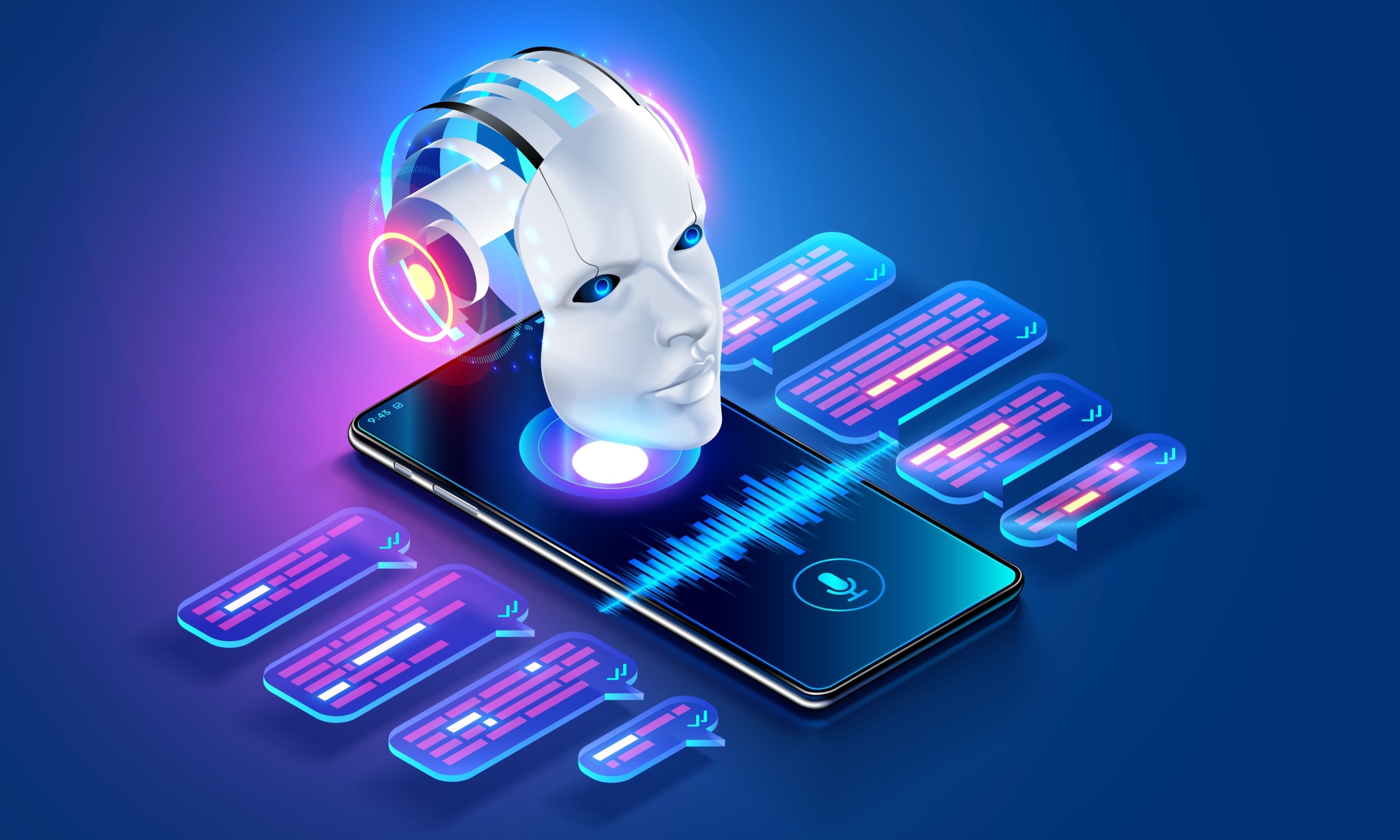
PersoniWay serves as an intelligent assistant that HVAC professionals can interact with through natural language. Whether it’s identifying a specific controller, understanding how two systems are connected, or retrieving technical documentation, PersoniWay delivers precise answers in real time.
Simplified Troubleshooting and Workflow Integration
With AI embedded directly into service workflows, PersoniWay reduces the time it takes to troubleshoot issues, locate device specifications, or train new technicians. It’s like having a seasoned expert on-call 24/7—without the need for additional headcount.
The Benefits of Integrating AI in Building Management Systems
AI doesn't just help technicians and engineers—it has far-reaching implications for building owners, managers, and even sustainability leaders.
Reduced Operational Costs
By identifying inefficiencies and reducing energy waste, AI helps organizations cut down on utility expenses. With the ability to schedule equipment use based on occupancy and weather predictions, energy usage becomes more strategic and less reactive.
Enhanced Building Intelligence
AI also enables better long-term planning. With detailed insights into system performance and user behavior, building managers can make data-informed decisions that support both comfort and cost-efficiency.
Sustainability and Compliance
As environmental regulations tighten, companies are under pressure to reduce carbon footprints. AI supports these goals by optimizing system performance, reducing emissions, and helping organizations meet green building certifications like LEED and WELL.
Challenges in Adopting AI in HVAC
Despite its benefits, the adoption of AI in HVAC and building management does come with challenges. These include:
Fortunately, as platforms like PersoniWay evolve, these barriers are being addressed through better user interfaces, cloud integration, and secure data handling practices.
Looking Ahead: The Future of AI in Smart Buildings
The future of AI in building systems is not limited to HVAC. As technology continues to evolve, we can expect AI to play a larger role in energy management, security, occupancy monitoring, and even air quality control.
With the advancement of generative AI and machine learning models tailored for industry-specific applications, AI is poised to become a standard component of every modern building's operational toolkit.
Conclusion: AI Is No Longer Optional—It’s Essential
Artificial Intelligence is no longer a futuristic concept—it's here, it's practical, and it's revolutionizing HVAC and building management systems. Solutions like PersoniWay demonstrate how AI can reduce inefficiencies, streamline maintenance, and support a more sustainable built environment.
Request a demo or visit our knowledge hub: https://thebrightbyte.com/playbook/insights/PersoniWay-AI-That-Transforms-HVAC