


Ever since the Goods and Services Tax (GST) was introduced in India in 2017, every industry — big or small — has had to adjust its operations, pricing, and compliance processes. And the plastic bag manufacturing sector is no exception.
Whether you’re a small-scale poly bag producer or a large-scale FIBC bags manufacturer in India, understanding GST is not just important — it’s crucial for business stability and growth.
In this article, let’s break down how GST affects plastic bag manufacturers, especially those in bulk packaging like jumbo bags and FIBC liners, and how companies are adapting to these tax reforms.
Applicable GST Rates on Plastic Bags
GST is levied based on the type and material of the plastic bag being manufactured. Different GST slabs apply for different products:
So if you're a jumbo bag manufacturer in Gujarat making laminated FIBCs with liners, you’re generally falling under the 18% GST slab.
✅ Note: Printed or branded plastic bags, depending on the type of printing and use, might attract different GST depending on how they are classified (as packaging material or promotional item).
GST Classification by HSN Code
To apply the correct GST, manufacturers must use the right HSN (Harmonized System of Nomenclature) code.
Here are some common HSN codes used by the industry:
Using the wrong HSN code may result in penalties, wrong GST rates, or issues during GST returns and audits.
Most top FIBC liners manufacturers in India ensure they label every product with the correct HSN to avoid non-compliance issues, especially for export orders.
Input Tax Credit (ITC) for Manufacturers
One of the biggest benefits of GST for manufacturers is Input Tax Credit (ITC). It allows businesses to claim credit for the GST paid on raw materials and services used to produce their final product.
For example:
If a FIBC bags manufacturer in India buys:
They can claim the GST paid on all of the above against the tax they collect on final products. This reduces the overall tax burden and improves profitability.
However, to claim ITC, GST filings must be up-to-date and invoices must be correctly matched on the GST portal.
GST Compliance for Plastic Bag Manufacturers
GST compliance is not just about charging tax correctly. It involves:
For jumbo bag manufacturers in Gujarat, maintaining timely compliance helps in claiming export incentives, government contracts, and large-scale procurement orders from MNCs.
Many medium and large manufacturers now use ERP systems or hire GST consultants to avoid errors and late filing penalties.
Impact of GST on Pricing and Profitability
Before GST, manufacturers had to deal with a bunch of indirect taxes: excise duty, VAT, service tax, and entry tax — all varying from state to state.
Now, with one unified GST rate, pricing has become more transparent, and inter-state supply of plastic packaging has become smoother.
However, products under 18% GST (like laminated jumbo bags) face slightly higher costs, which can affect small players who cater to cost-sensitive sectors like agriculture or local transport.
Still, large-scale exporters and top-tier FIBC bags manufacturer in India benefit from ITC claims and lower logistics costs, balancing out the higher tax rate.
GST for Export-Oriented Plastic Bag Manufacturers
Here’s the good news — exports are zero-rated under GST, which means manufacturers can either:
Most exporters, including FIBC liners manufacturers in India, choose the LUT route to avoid working capital getting stuck in tax.
GST Refund on Inputs:
Manufacturers can also claim GST refund on:
This helps maintain cash flow, especially when dealing with large overseas orders.
Common Challenges Faced by Manufacturers
While GST brings structure, manufacturers still face some challenges:
These challenges are more significant for smaller units that may not have in-house tax experts.
Recent Updates in GST for the Plastic Sector
Here are a few key updates that plastic bag manufacturers should know:
Manufacturers, especially jumbo bag manufacturers in Gujarat, need to stay updated with CBIC notifications to avoid future disputes.
Final Thoughts
To sum it up, GST has brought both challenges and opportunities for plastic bag manufacturers in India.
If you're in the plastic packaging industry — whether making small pouches or exporting jumbo bags — understanding GST can help you:
At HPBL, we’re proud to be a trusted FIBC bags manufacturer in India and a leading jumbo bag manufacturer in Gujarat, serving over 100+ clients across 40+ countries. With GST-compliant operations and deep understanding of tax structures, we help our clients with not just quality packaging, but also peace of mind.
So if you're looking for GST-ready packaging solutions, choose HPBL — where compliance meets quality.
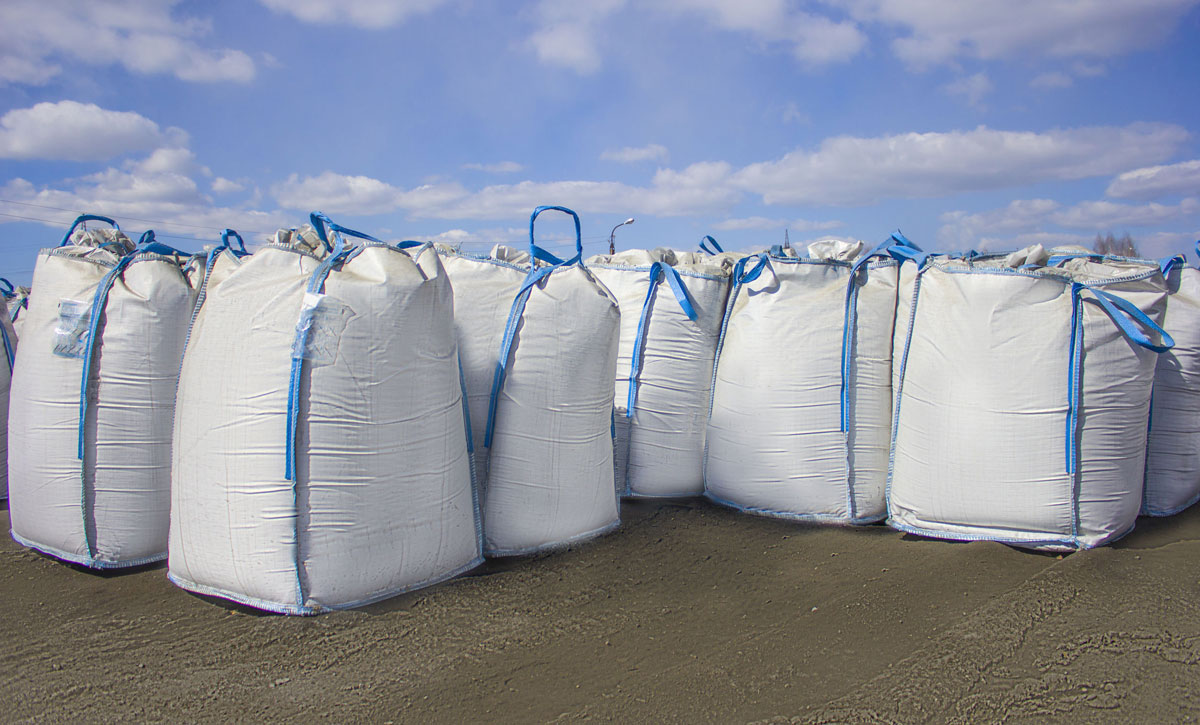

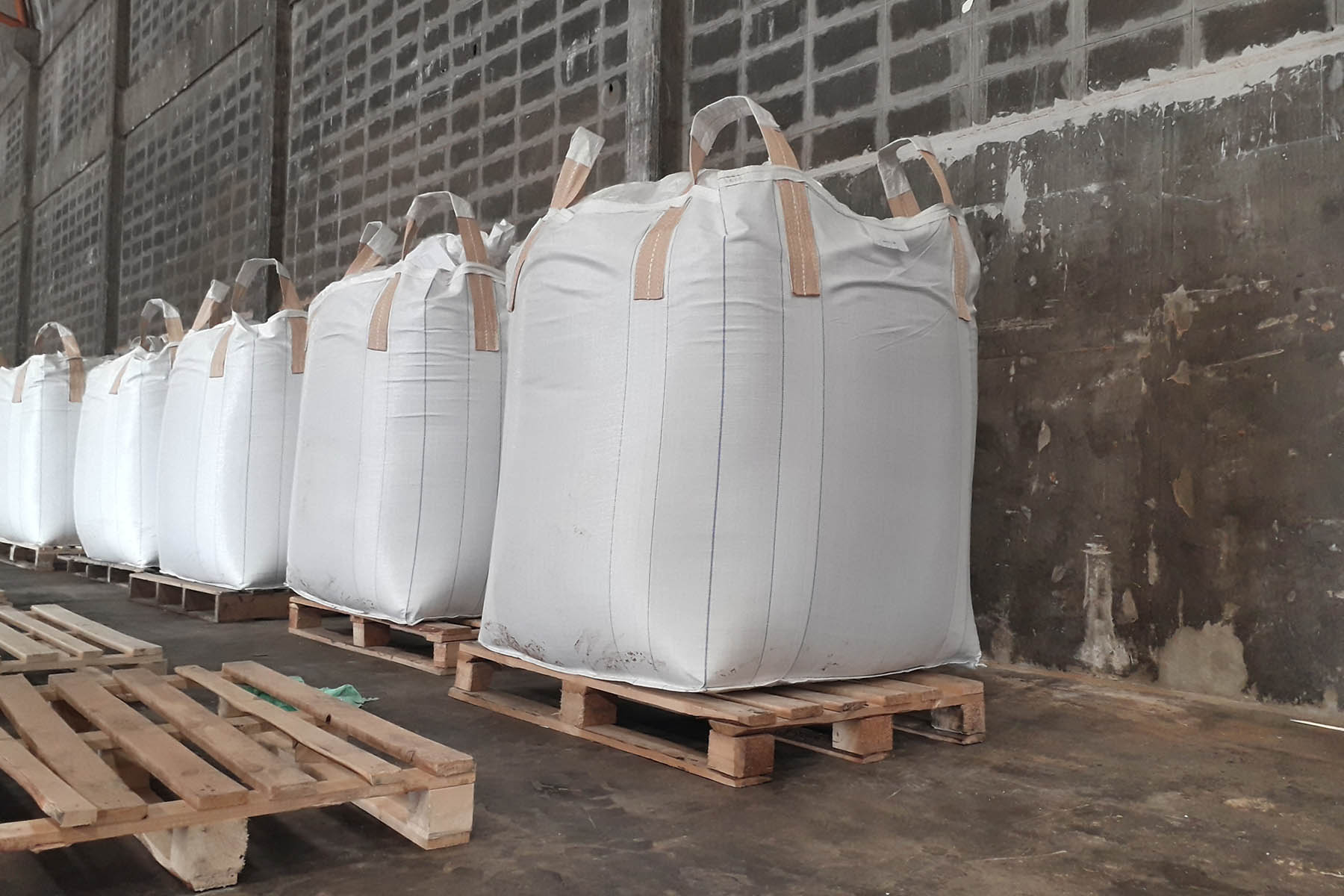
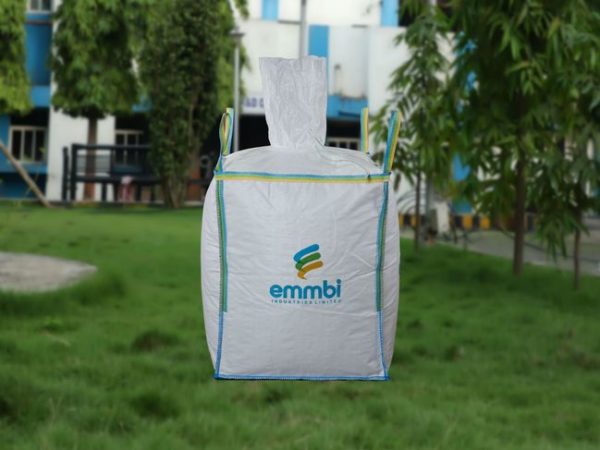
FIBC/big bags are used in various industries because of their strength, durability, and light weight.
We produce the best quality of FIBC bags for requirements of various industries like chemicals, pharma etc and are also a Eco-friendly product.