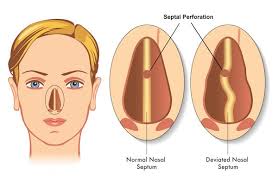
If you’re struggling with chronic nasal issues, frequent nosebleeds, whistling sounds when breathing, or nasal obstruction, you may have a septal perforation — a hole in the nasal septum, the cartilage and bone dividing the two nostrils. Septal perforations can result from trauma, prior nasal surgery, overuse of nasal sprays, or certain medical conditions. Left untreated, they can worsen over time, leading to discomfort, crusting, and even nasal valve collapse, where the side walls of the nose weaken and narrow, making breathing even more difficult.
In such cases, septal perforation surgery — sometimes combined with nasal valve collapse surgery — may be recommended to repair the damage, restore function, and improve your quality of life. Let’s break down what these procedures involve, how recovery typically goes, and what results you can expect.
What is Septal Perforation Surgery?
Septal perforation surgery is a procedure to close the hole in the nasal septum and restore the structural integrity of the nose. Unlike a simple deviated septum repair (septoplasty), this surgery is often more complex because it deals with missing tissue, not just crooked tissue.
Depending on the size and location of the perforation, surgeons use various techniques, including:
If the perforation is small (typically less than 1 cm), it might be closed using endoscopic techniques under local anesthesia. For larger defects, an open surgical approach under general anesthesia is usually required.
What is Nasal Valve Collapse Surgery?
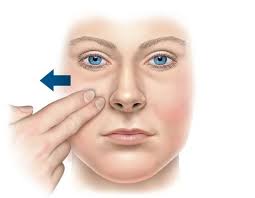
Many patients with septal perforations also experience nasal valve collapse. This refers to the weakening or narrowing of the nasal sidewalls, which can make breathing through the nose feel like trying to suck air through a collapsed straw.
Surgery for nasal valve collapse typically involves strengthening the nasal structure by:
Often, both septal perforation repair and nasal valve collapse surgery are performed together to comprehensively address nasal function.
The Surgical Procedure
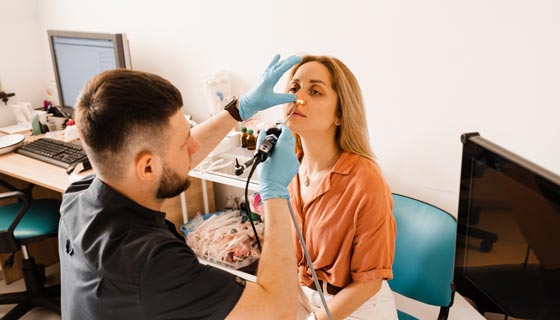
Before surgery, you will undergo a thorough evaluation including nasal endoscopy, imaging, and sometimes airflow studies. Your surgeon will discuss the best surgical plan tailored to your specific anatomy and symptoms.
The operation usually lasts 2–4 hours and is performed under general anesthesia. During surgery:
Most patients can go home the same day or after an overnight stay, depending on the extent of the procedure.
Recovery After Septal Perforation Surgery
Recovery requires patience and proper care. Here’s what you can generally expect:
It’s crucial to follow your surgeon’s post-op instructions carefully to reduce the risk of complications such as reopening of the perforation or graft failure.
Expected Results and Benefits
When successful, septal perforation surgery offers:
However, it’s important to understand that not every perforation can be closed, especially large ones or those in patients with ongoing risk factors (like continued cocaine use or autoimmune disease). In some cases, symptom management using custom septal buttons (small silicone plugs) may be the best option.
Final Thoughts
Septal perforation surgery and nasal valve collapse surgery are highly specialized procedures that can significantly improve nasal function and comfort when performed by experienced surgeons. If you’re considering these surgeries, consult with a board-certified otolaryngologist (ENT) or facial plastic surgeon who has expertise in nasal reconstruction.
Remember, early evaluation and intervention can prevent complications and lead to better surgical outcomes. With proper care, many patients achieve long-lasting, satisfying results that restore their ability to breathe freely and comfortably.