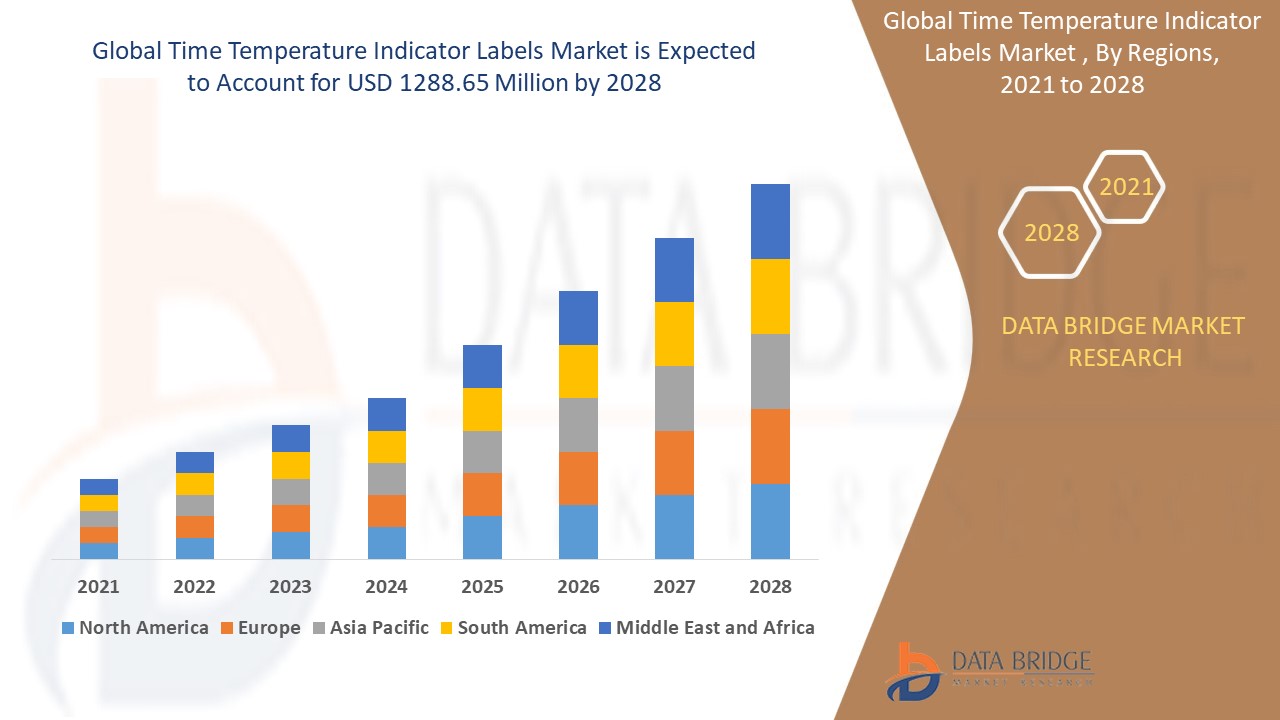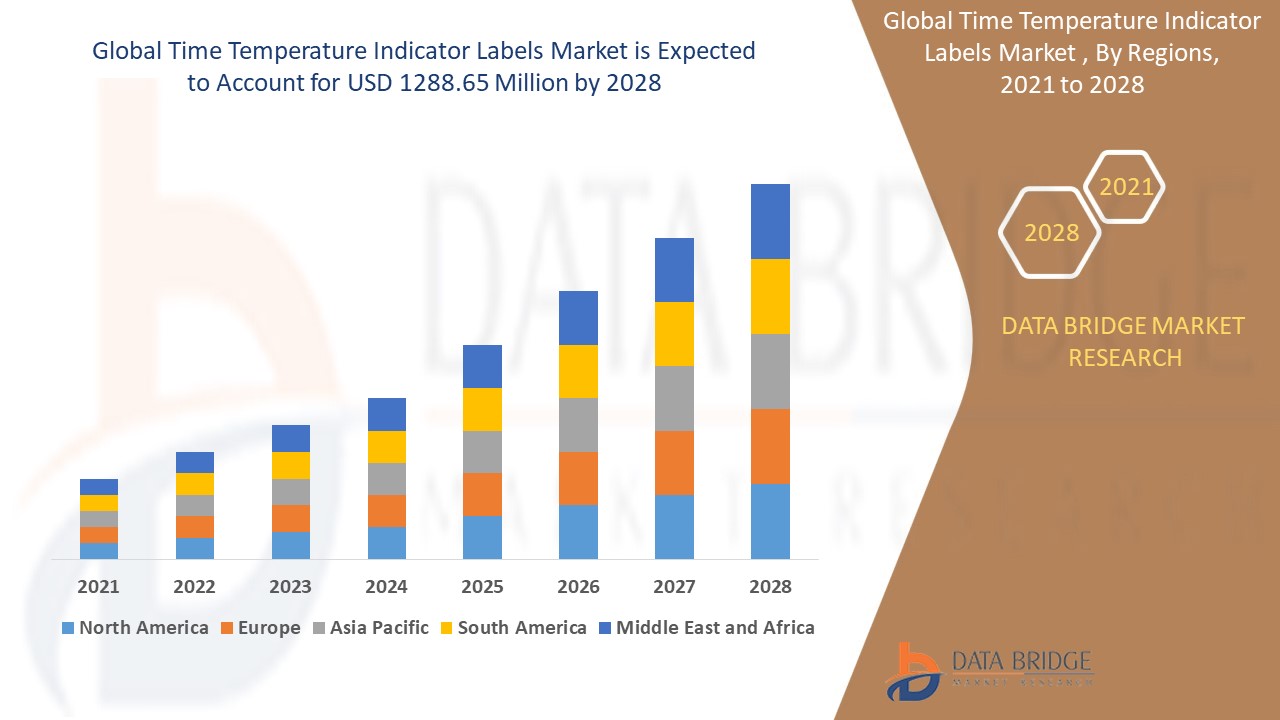
In an era where supply chains span continents and consumer expectations for fresh, safe products have never been higher, time temperature indicator (TTI) labels have emerged as a critical tool. These small yet sophisticated labels monitor cumulative heat exposure over time, providing a straightforward visual cue when products have been subjected to potentially harmful temperature fluctuations. As global trade intensifies and logistics networks become more complex, the ability to ensure cold chain integrity is paramount.
TTIs offer a lowcost, easily interpretable solution that can be applied to everything from perishable foods to lifesaving medications. Far beyond simple expiration dates, these indicators record realtime environmental stresses, giving manufacturers, distributors, retailers and end consumers a dynamic measure of product quality and safety. In markets across Europe, Asia and the Americas, businesses are leveraging TTIs to reduce waste, mitigate health risks and bolster confidence in refrigerated and frozen goods.
How Time Temperature Indicator Labels Work
Time temperature indicator labels operate on a variety of chemical, enzymatic or physical principles designed to correlate accumulated heat exposure with color changes or visual markers. One common design uses a reactive dye layer encapsulated within a specialized matrix. As the label is exposed to temperatures above a calibrated threshold, the dye diffuses, gradually altering its color intensity or pattern. Other TTIs employ enzymatic reactions: specific enzymes catalyze colorforming substrates, with reaction rates doubling for every 10°C rise, mimicking spoilage kinetics in food or potency loss in pharmaceuticals.
Physical TTIs may utilize melting alloys or polymeric films that flow under heat, shifting position on the label to signal exposure. Each technology can be finetuned for different threshold temperatures and cumulative time spans, from a matter of hours at high temperatures to weeks at moderate fluctuations. The straightforward visual output—often a simple color bar progressing from green to red—enables nontechnical personnel to assess product condition at any stage of the cold chain without specialized instruments. TTI labels have become instrumental in maintaining quality and safety across two of the most temperaturesensitive sectors: food and pharmaceuticals. In the food industry, perishable products such as fresh seafood, dairy items and readytoeat meals depend on strict temperature control to preserve texture, flavor and microbial safety. Retailers and food service operators deploy TTIs on packaging to track shelf life in real time, adjusting rotation schedules, promotional pricing and disposal decisions based on actual cold chain performance.
Similarly, in the pharmaceutical realm, vaccines, insulin and biotech reagents often require continuous refrigeration or freezing. A single temperature excursion can render multidose vials ineffective or unsafe. Pharmaceutical manufacturers integrate TTIs into secondary packaging to safeguard distribution in regions where power outages and transit delays are common. Hospitals, clinics and pharmacies benefit by receiving clear signals of compromised shipments, avoiding administration of substandard drugs and reducing costly wastage.
Enhancing Consumer Trust and Brand Reputation
Beyond logistical efficiency, TTIs serve as a powerful tool for nurturing consumer confidence and strengthening brand reputation. In a crowded marketplace, brands differentiate themselves by demonstrating transparency and commitment to quality. When consumers see a time temperature indicator on a pack of organic salmon or a shipment of delicate probiotics, they perceive an extra layer of care and accountability.
Retailers, too, leverage TTI data to back up freshness claims, issuing digital proofs of cold chain integrity via QR codes linked to label readings. This fosters a deeper connection between brand and buyer, encouraging repeat purchases and positive wordofmouth. As consumers become more healthconscious and sustainabilityminded, businesses that embrace realtime monitoring solutions can showcase reduced food waste, ethical sourcing practices and proactive safety measures—all contributing to a more trustworthy brand image in an increasingly competitive environment.
Technological Innovations Driving Label Accuracy
Recent advancements in microelectronics, printable electronics and nanomaterials are pushing TTI capabilities even further. Miniaturized data loggers and RFID (radiofrequency identification) chips can now be embedded alongside chemical indicators to provide precise temperature histories accessible via smartphone or handheld reader. Innovations in thermochromic inks materials that change color reversibly with temperature allow multistage indicators that not only reveal cumulative exposure but also record the highest temperature reached.
Meanwhile, developments in biodegradable polymers and ecofriendly dyes are aligning TTI production with sustainability goals, reducing the environmental footprint of disposable labels. Researchers are exploring smart materials that selfheal or selfreset under controlled conditions, enabling reusable indicators for highvalue bioproduct shipments. As machinelearning algorithms gain traction, predictive analytics based on TTI data can forecast spoilage patterns and optimize logistics routes, further tightening cold chain control.
Navigating Regulatory Frameworks and Standards
The widespread adoption of TTIs is intertwined with evolving regulatory requirements and industry standards. Food safety authorities such as the FDA (U.S. Food and Drug Administration) and EFSA (European Food Safety Authority) acknowledge the value of TTIs in Hazard Analysis and Critical Control Point (HACCP) plans, while codex guidelines increasingly reference timeandtemperature monitoring as best practice. In pharmaceuticals, the WHO’s Good Distribution Practices (GDP) and the International Air Transport Association’s (IATA) guidelines for temperaturecontrolled packaging incorporate TTI usage for cold chain validation. However, regulatory alignment varies by region and sector. Companies seeking full compliance must ensure that their chosen indicators meet performance criteria for accuracy, stability and calibration traceability. Independent certification bodies provide standardized testing protocols, assessing indicators under simulated transport stresses to certify response consistency. As global trade agreements expand, harmonizing TTI validation standards will be critical for crossborder shipments, reducing administrative barriers and ensuring uniform quality benchmarks worldwide.
Get this Report in Japanese Language
Get this Reports in Korean Language
About Author:
Priya Pandey is a dynamic and passionate editor with over three years of expertise in content editing and proofreading. Holding a bachelor's degree in biotechnology, Priya has a knack for making the content engaging. Her diverse portfolio includes editing documents across different industries, including food and beverages, information and technology, healthcare, chemical and materials, etc. Priya's meticulous attention to detail and commitment to excellence make her an invaluable asset in the world of content creation and refinement.
(LinkedIn- https://www.linkedin.com/in/priya-pandey-8417a8173/)