
What is a Pogo Pin Connector?
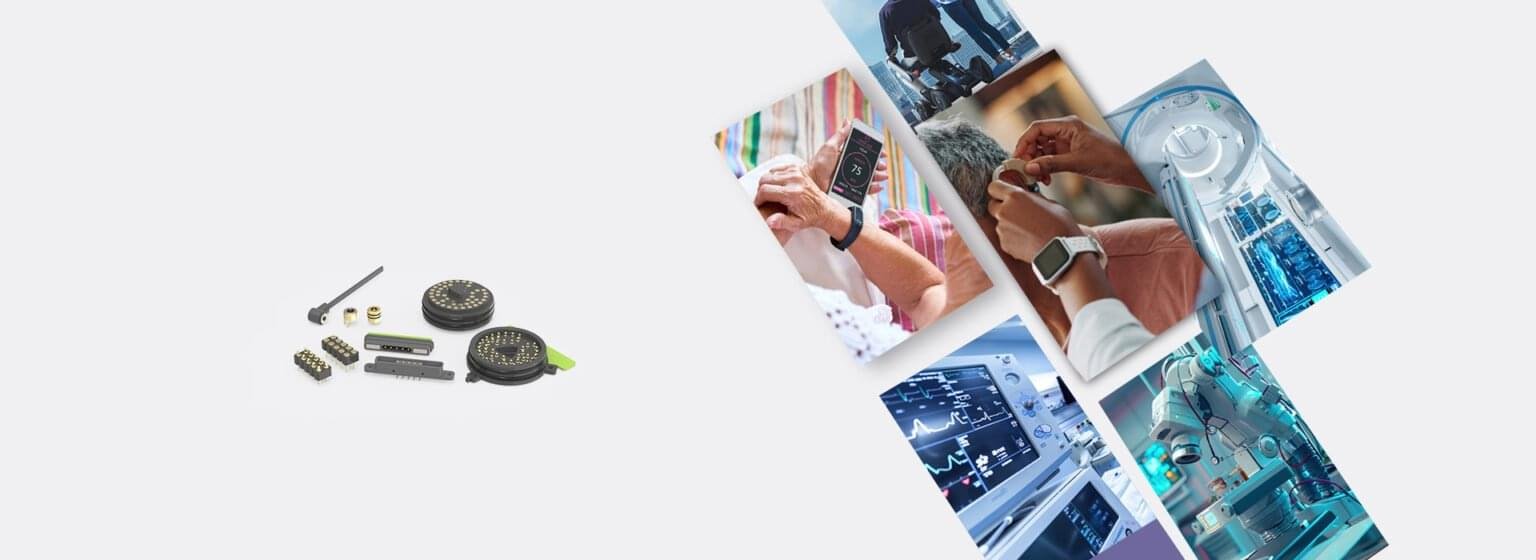
A pogo pin connector, also known as a spring-loaded contact, is a precision-made electrical component used to establish a reliable connection between two electronic devices. Consisting of a plunger, a barrel, and a spring, the pogo pin ensures consistent pressure and secure contact in a wide range of environments. Its unique design allows it to compress and expand, offering durability and stability even under repeated usage.

Pogo pin connectors are the backbone of modular, test, and high-cycle electronic designs, offering seamless and swift connectivity for both temporary and semi-permanent connections.
Key Components of a Pogo Pin Connector
Understanding the anatomy of a pogo pin is crucial to appreciating its performance capabilities:
Each component is meticulously engineered to maintain low contact resistance, enhance electrical conductivity, and ensure long operational life.
Advantages of Using Pogo Pin Connectors
The versatility of pogo pins makes them ideal for applications across industries. Here are the standout benefits:
1.High Durability and Longevity
Thanks to robust internal springs and quality plating (typically 10µ” or more of gold), pogo pin connectors are rated for up to 1 million mating cycles.
2.Space-Saving Design
These connectors are compact, making them suitable for miniaturized electronics, wearable devices, and smartphones, where space is at a premium.
3.Superior Electrical Performance
Low and stable contact resistance ensures reliable signal transmission, which is critical in data, RF, and power transfer applications.
4.Maintenance and Replacement
Unlike soldered connections, pogo pins offer non-permanent, quick-swap interfaces, making them ideal for testing environments and prototyping.
Applications of Pogo Pin Connectors
Pogo pin connectors have become a cornerstone in several industries:
Used in charging docks, headphones, smart watches, and smartphones, pogo pins offer quick connect/disconnect functionality.
2.Medical Devices
Precision and reliability make them ideal for diagnostic equipment, wearables, and implantable devices, where minimal electrical loss and hygiene are essential.
3.Automotive Systems
In cars, pogo pins are used in test equipment, electronic control units (ECUs), and diagnostic modules, where vibration resistance is crucial.
4.Industrial Testing
Automated Test Equipment (ATE) depends heavily on pogo pins for circuit board testing, ensuring quick, reliable, and repeatable measurements.
5.Military and Aerospace
In mission-critical systems, pogo pin connectors are preferred for their mechanical resilience, electrical reliability, and compact form factor.
Types of Pogo Pin Connectors
Different designs address specific performance and spatial requirements:
Material and Coating Considerations
The material and coating of pogo pins determine their electrical and mechanical characteristics:
Custom plating options include palladium-nickel or rhodium for specific high-wear or high-frequency applications.
Design Considerations for Pogo Pin Connectors
When integrating pogo pin connectors into a system, several factors need to be considered:
1.Contact Force
Selecting the right spring force is essential to ensure stable connections without damaging mating surfaces.
2.Working Stroke
Defines how far the plunger moves under pressure. An optimal stroke ensures maximum electrical contact and \
3.Pitch and Layout
Spacing between pogo pins affects both signal integrity and mechanical stability in multi-pin configurations.
4.Mounting Method
Whether SMT, through-hole, or press-fit, the mounting method should align with your production process and product form factor.
Why Gold Plating Matters in Pogo Pins
Gold is the preferred material for plating due to its:
Though costlier than other metals, gold-plated pogo pins provide long-term reliability, making them an economical choice over time for mission-critical applications.
Custom Pogo Pin Solutions
Leading pogo pin manufacturers offer tailor-made connectors for specific applications, including:
Custom solutions help align electrical performance with mechanical design, enhancing both user experience and product longevity.
Trends and Innovations in Pogo Pin Technology
1.Magnetic Pogo Connectors
Combining pogo pins with magnets allows for auto-alignment and easier docking in wearable and consumer devices.
2.High-Frequency Signal Transmission
Engineers are pushing pogo pin designs to support GHz-range signal speeds, expanding their role in data-heavy applications.
3.Hybrid Connectors
Blending pogo pins with USB, RF, or antenna contacts enables multifunctional, compact interfaces in complex electronics.
4.Smart Charging Interfaces
Used in IoT and wireless charging, pogo pins offer safe, modular, and user-friendly charging solutions.
Choosing the Right Pogo Pin Supplier
When selecting a supplier, ensure they offer:
Working with a reliable pogo pin manufacturer ensures consistency, quality control, and faster time to market for your products.
Conclusion
Pogo pin connectors are essential components in the evolving world of electronics. Their compact form, durability, and electrical reliability make them indispensable in applications ranging from wearable tech to aerospace equipment. As technology advances, pogo pins will continue to play a pivotal role in enhancing connectivity, reducing downtime, and simplifying modular designs.
If you're working with modern electronics, chances are you've already encountered a custom pogo pin connector—even if you didn’t realize it. These small but powerful components are the backbone of