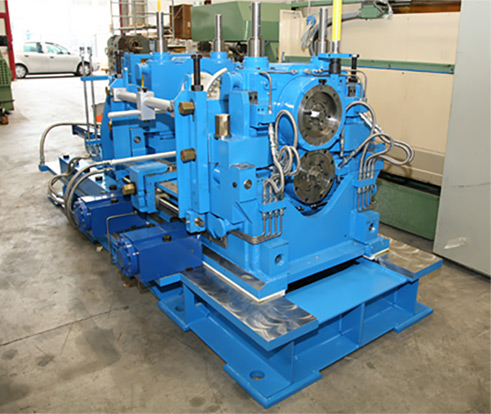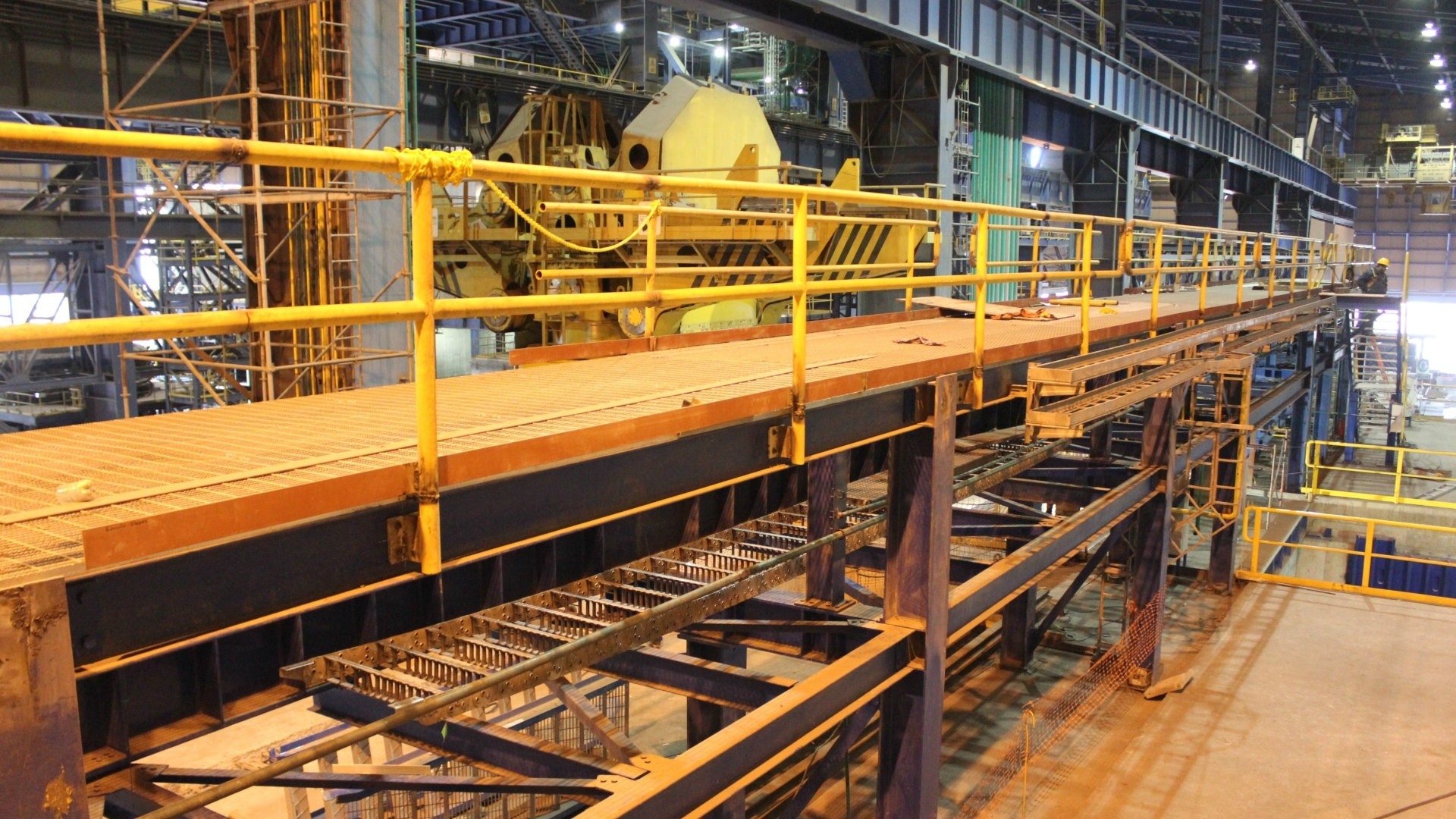
In modern metalworking and rolling operations, mill rolls serve as the workhorses that shape, size, and finish a variety of metal products. From hot strip mills in steel plants to cold rolling mills for aluminum and copper, the choice and performance of mill rolls directly influence product quality, operational uptime, and overall profitability It aspects of mill roll technology, covering fundamental principles, material choices, manufacturing methods, performance considerations, emerging market trends, a navigational pointer to our detailed mill roll research insights, and practical buying criteria for industrial buyers seeking reliable suppliers, competitive mill roll pricing, and professional mill roll installation services.
Understanding Mill Roll Fundamentals
Mill rolls are cylindrical tooling components designed to exert compressive forces on metal billets, slabs, or strips during rolling processes. Their primary functions include shape control, dimensional accuracy, surface finish, and work hardening. Rolls must withstand extreme mechanical loads, high temperatures, and cyclic thermal stresses.
Key parameters such as roll diameter, crown profile, and barrel contour determine the contact geometry and strain distribution across the metal strip. Proper roll design minimizes issues like edge wave, center buckling, and thickness variation. Advances in roll profiling ensure optimal roll force management and strain uniformity, resulting in improved surface quality and reduced downstream processing costs.
Types and Materials of Mill Rolls
Choosing the right roll type and material is critical for longevity and consistent performance. Common categories include cast steel rolls, forged steel rolls, chilled iron rolls, and composite or bimetallic rolls.
• Cast Steel Rolls: Ideal for hightemperature roughing and finishing, offering good thermal conductivity and resistance to thermal fatigue.
• Forged Steel Rolls: Known for superior impact strength, commonly used in reversing mills and heavy reduction stages.
• Chilled Iron Rolls: Feature a hard, wearresistant shell and a ductile core, suited for cold and light hot rolling applications where abrasion resistance is vital.
• Composite Rolls: Combine a hard alloy wear surface with a tough backing material, optimized for longlasting roll life and reduced downtime.Material selection balances hardness, toughness, thermal conductivity, and cost. Surface treatments like nitriding and laser cladding further enhance wear resistance and thermal fatigue performance.
Manufacturing Processes for HighQuality Mill Rolls
Producing mill rolls involves precision casting or forging, followed by heat treatment, machining, and balancing.1. Melting and Refining – Bulk steel or cast iron is melted in induction or electric arc furnaces. Alloying elements (Cr, Ni, Mo) are added to achieve desired hardness and corrosion resistance.2. Casting or Forging – Controlled solidification in sand molds produces cast rolls with specific microstructures. Forging under high pressure refines grain structure, improving mechanical properties.3. Heat Treatment – Processes such as quenching, tempering, and annealing establish a combination of hardness and toughness. Customized thermal cycles minimize residual stresses.4. Precision Machining – CNC turning and milling generate exact roll profiles, crown, and barrel contours. Inprocess gauging ensures adherence to tight tolerances for diameter variation and surface finish.5. Dynamic Balancing – Highspeed balancing machines detect and eliminate static and dynamic imbalance, reducing vibration and extending bearing life.6. Surface Enhancement – Treatments like shot peening, flame hardening, or laser cladding boost fatigue resistance, crack initiation suppression, and surface wear protection.
Performance Factors and Maintenance Strategies
Optimizing roll performance requires attention to lubrication, temperature control, and regular inspections. Effective roll coolant delivery and highperformance lubricants reduce friction, dissipate heat, and prevent scale buildup. Continuous monitoring of roll temperature and torque feedback helps identify early signs of imbalance or hot spots. Scheduled roll grinding and profile reconditioning restore original contours, counteracting wear and flattening effects. Inline ultrasonic testing or eddy current crack detection ensures safe roll usage. Wellplanned downtime for roll handling and maintenance maximizes mill availability and reduces unplanned stoppages. Partnering with specialized service providers for roll refurbishment and reconditioning can extend roll life while maintaining consistent output quality. The mill roll is evolving rapidly through digitalization, advanced materials, and sustainable practices. Smart roll sensors embedded in the roll body provide realtime data on temperature, force, and vibration, feeding into predictive maintenance systems. Simulation software leveraging finite element analysis optimizes roll design, reducing trialanderror in profiling. Novel materials such as nanostructured coatings and heatresistant superalloys push wear performance boundaries in demanding hot strip and thin gauge cold rolling applications. There is growing demand for ecofriendly roll manufacturing processes that reduce energy consumption and CO2 footprint. Modular roll exchange systems speed up changeovers, improving operational flexibility for multiple product mixes and smaller batch sizes.
Navigating InDepth Mill Roll Research Insights
For stakeholders seeking granular market intelligence on mill roll demand, segmentation, and supplier dynamics, a detailed mill roll research report offers comprehensive data and analysis. This report presents global and regional forecasts, competitive landscapes, enduser applications, and investment opportunities. Use the navigational link provided in our resources section to download the indepth mill roll market analysis.
About Author:
Alice Mutum is a seasoned senior content editor at Coherent Market Insights, leveraging extensive expertise gained from her previous role as a content writer. With seven years in content development, Alice masterfully employs SEO best practices and cutting-edge digital marketing strategies to craft high-ranking, impactful content. As an editor, she meticulously ensures flawless grammar and punctuation, precise data accuracy, and perfect alignment with audience needs in every research report. Alice's dedication to excellence and her strategic approach to content make her an invaluable asset in the world of market insights.
(LinkedIn: www.linkedin.com/in/alice-mutum-3b247b137 )