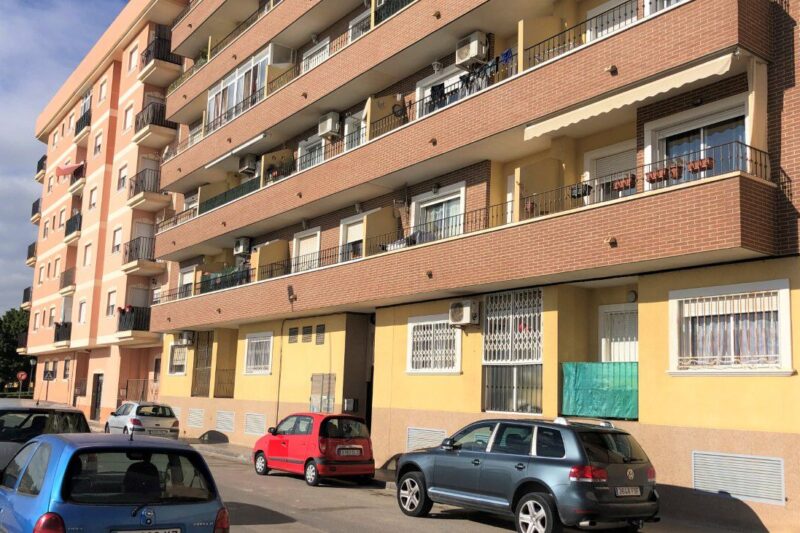
When it comes to selling a house in Spain, understanding the financing options available is crucial for both sellers and potential buyers. The Spanish real estate market can be complex, particularly for international buyers who may not be familiar with local financing practices. This article will explore various financing options, focusing primarily on mortgages, as well as alternative methods to secure funding for purchasing property in Spain. Additionally, we will discuss the current market trends, interest rates, and the implications of these factors in making informed decisions.
The Importance of Understanding Financing Options
Understanding financing options is vital for anyone looking to buy property in Spain. Buyers often rely on mortgages to fund their purchases, and knowing the ins and outs of these options can significantly impact the buying process. In Spain, the mortgage market has evolved over the last few years, influenced by economic factors, regulatory changes, and shifts in consumer behavior. It is essential for buyers to be aware of their options and the associated costs, including interest rates, fees, and terms.
Overview of the Spanish Mortgage Market
The Spanish mortgage market has seen a resurgence in recent years, following the economic downturn of the late 2000s. According to the Bank of Spain, the number of new mortgage approvals has steadily increased, reflecting a recovering economy and growing consumer confidence. As of 2022, the average interest rate for new mortgages in Spain was approximately 2.5%, although rates can vary significantly based on the lender and the borrower's financial profile.
Types of Mortgages Available in Spain
When considering a mortgage in Spain, buyers will encounter several options. Fixed-rate mortgages are popular among buyers who prefer predictable monthly payments. These mortgages are often offered for terms ranging from 15 to 30 years, allowing buyers to spread out their repayment over a more extended period.
Requirements for Obtaining a Mortgage in Spain
Obtaining a mortgage in Spain involves several requirements that potential buyers must meet. Generally, lenders will assess the borrower's financial situation, which includes income, credit history, and existing debts. Most banks in Spain require a down payment of at least 20% of the property's value, although this can vary depending on the lender and the buyer's financial profile.
Alternative Financing Options
While mortgages are the most common financing option for purchasing property in Spain, there are alternatives that buyers may consider. For instance, some buyers opt for personal loans to fund their property purchases. Personal loans can be quicker to obtain than mortgages and may require less documentation; however, they typically come with higher interest rates and shorter repayment terms.
The Role of Real Estate Agents and Financial Advisors
Engaging a knowledgeable real estate agent can significantly enhance the buying process, particularly in navigating the complexities of financing. Real estate agents can provide insights into the local market, recommend reputable lenders, and help buyers understand their financing options. They can also assist in negotiating terms that are favorable to the buyer.
Conclusion: Making Informed Decisions
Exploring financing options for your house for sale in Spain is essential for both buyers and sellers. With a recovering mortgage market and various financing alternatives available, understanding the nuances of these options can facilitate a more successful transaction. Buyers should take the time to research their options, assess their financial situation, and engage professional support to navigate this process effectively.