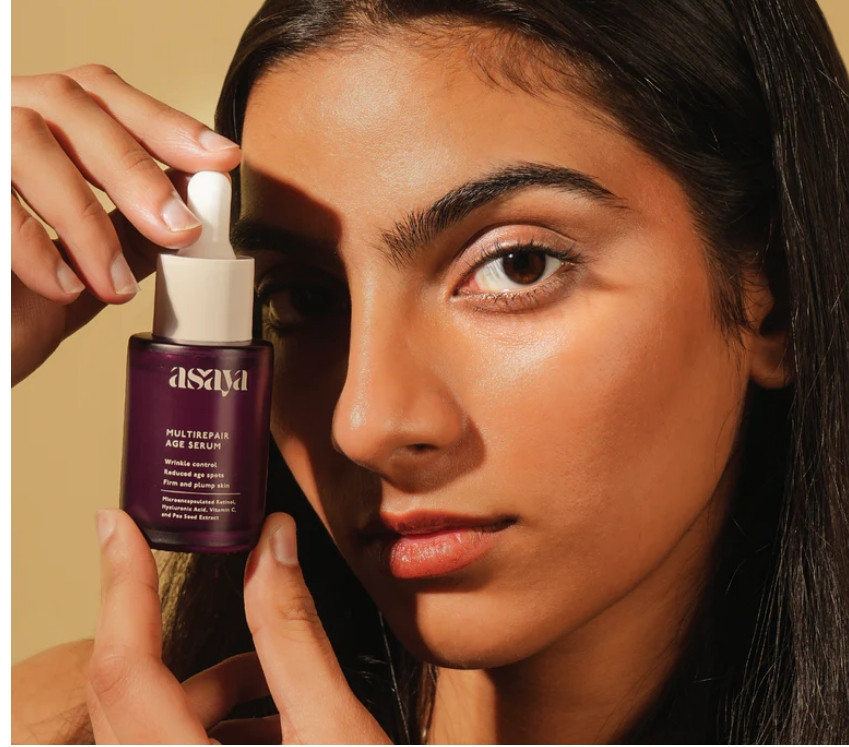


We all see them – the glossy ads promising to turn back the clock, the endless shelves filled with creams and serums whispering secrets of eternal youth. The world of anti-aging products can feel like a confusing maze, filled with big promises and often, even bigger price tags. But what's actually happening beneath the surface? Does science back up these claims, or is it all just clever marketing? Let's peel back the layers and explore the real science behind the ingredients that genuinely make a difference. Forget the magic wands; let's talk about cellular biology and chemistry!
Key Anti-Aging Ingredients:
Think of your skin like a complex city. Over time, communication slows down, structures weaken, and things don't get repaired as quickly. Certain ingredients act like specialized workers, getting things back on track. Here are some of the heavy hitters validated by dermatologists and scientific research:
- Retinol (The Renovation Expert): This Vitamin A derivative is arguably the gold standard. Imagine it as a foreman shouting orders to your skin cells. Retinol encourages faster cell turnover, meaning old, dull cells are shed more quickly, revealing fresher skin underneath. More importantly, it signals fibroblasts (the skin's construction crew) to ramp up collagen production – the protein that gives skin its firmness and structure. This process literally helps rebuild a stronger foundation, reducing the appearance of wrinkles and fine lines over time. Start slow with retinol, though, as it can initially cause irritation while your skin adjusts to the new pace!
- Peptides (The Messengers): If retinol is the foreman, peptides are the speedy messengers carrying vital instructions. These are short chains of amino acids, the building blocks of proteins like collagen and elastin. Different peptides have different messages; some might signal cells to produce more collagen, others might help relax muscles (a bit like a topical Botox effect, though much milder), and some help deliver trace elements needed for enzymatic processes. They essentially nudge your skin's natural repair mechanisms back into action.
- Hyaluronic Acid (The Hydration Hero): Picture a tiny sponge that can hold up to 1,000 times its weight in water. That's hyaluronic acid (HA)! This molecule occurs naturally in our skin but depletes with age. Topically applied HA acts as a humectant, drawing moisture from the air and deeper skin layers to the surface. This surge of hydration instantly plumps up the skin, smoothing out fine lines and giving a dewy, supple appearance. It doesn't rebuild structure like retinol, but it provides crucial hydration for healthy, resilient skin.
- Niacinamide (The Multitasking Maestro): This form of Vitamin B3 is a true jack-of-all-trades. It strengthens the skin's barrier function, making it less susceptible to environmental damage and reducing water loss. It has anti-inflammatory properties, calming redness and irritation (great for sensitive skin or conditions like rosacea). Niacinamide can also help regulate oil production, minimize the appearance of pores, and even interrupt the process that causes hyperpigmentation (dark spots). It’s like the ultimate support crew for overall skin health.
Beyond the Hype: Reading Labels and Making Smart Choices
So, you know the key players, but how do you choose wisely? First, look at the ingredient list. Ingredients are listed in descending order of concentration. While the exact percentage isn't always disclosed (sometimes it's proprietary), seeing your target ingredient high up on the list is a good sign. However, higher isn't always better – especially with potent ingredients like retinol, where starting with a lower concentration (like 0.25% or 0.5%) is often recommended.
Pay attention to formulation. Is the product packaged in an airtight, opaque container? This helps protect sensitive ingredients like Vitamin A and C from degrading due to air and light exposure. Look for terms like "clinically tested" or "dermatologist recommended," though be aware that marketing terms can be fuzzy. Remember, cosmetics are regulated differently by the FDA than drugs; they don't require the same level of efficacy proof. Focus on reputable brands known for research and development.
Ultimately, the most effective anti-aging strategy involves understanding ingredients, choosing well-formulated anti-aging products, using them consistently, and pairing them with the undisputed champion of skin protection: daily sunscreen. Knowledge, consistency, and sun protection – that's the real science-backed secret to healthier, more youthful-looking skin.