


As remote work continues to rise as the standard across Canada, organizations are re-evaluating their approach to data security. With distributed teams, personal devices, and home networks, the threats are rising as well. This is why ISO 27001 certification in Canada is taking off as a solution to help remote-first organizations protect sensitive information, while also remaining compliant with national privacy laws like PIPEDA.
Understanding ISO 27001 and Remote Work
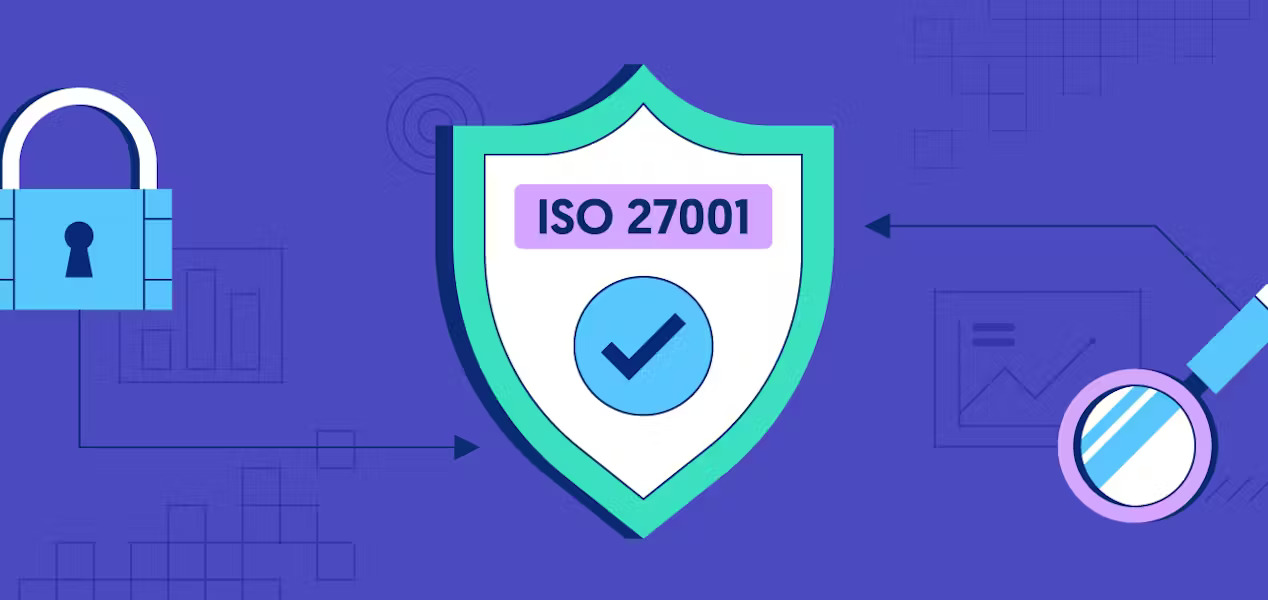
ISO 27001 is a globally accepted standard for information security management. For Canadian businesses with remotely working employees, it offers clear guidance on how to create and sustain a secure system. It is not about installing sophisticated technologies; it's about creating policies and processes to enable the protection of information to enable proper accounting for risk, regardless of whether your employee is in a Halifax apartment or a Vancouver coffee shop.
Unique Security Challenges Faced by Remote Teams in Canada
Some risks remote teams face in Canada may not be present in a standard office environment. Personal laptops lack enterprise security. Your home Wi-Fi could be unencrypted. Some regions do not provide consistent infrastructure cybersecurity practices. With each team member working away from secure office space, data leaks, phishing attempts, and unintentional authorizations can become much easier.
How ISO 27001 Helps Bridge the Gaps for Remote Teams in Canada?
This is where ISO 27001 steps in. It assists enterprises in identifying and plugging such gaps through systemic risk assessments and control deployment. For Canadian businesses, it would translate into definite policies regarding the usage of devices, access control, encryption, and secure communication, not just within or even between provinces, but between time zones. The same safe playbook is followed by everyone, from interns in Ottawa to developers in Calgary.
Compliance Benefits Beyond Security
ISO 27001 compliance in Canada does not just minimize risk. It gets organizations in line with national legislation such as PIPEDA, defends client information, and gains credibility with business partners. In sectors such as finance, healthcare, and technology, where confidentiality is paramount, conformity can lead to larger contracts and greater confidence from stakeholders. It also streamlines audits and legal risk.
Steps to Start ISO 27001 Compliance for Remote Teams in Canada
To start with ISO 27001 compliance, Canadian companies must first perform a gap analysis to evaluate their present security stance. This involves checking existing policies, looking for vulnerabilities, and becoming familiar with the unique needs of remote teams. Then, firms should outline their Information Security Management System (ISMS) and provide training on best practices in data security to all remote employees. Lastly, businesses should deploy security measures such as secure data access controls and perform periodic audits to guarantee continuous enhancement.
Conclusion
In Canada, remote work is here to stay, and so are the remote work risks. In Canada, ISO 27001 offers a robust framework to protect your data, maintain your business compliance, and keep your remote teams on track. You don't have to go through your compliance journey by yourself! When you are ready to begin your compliance journey, Matayo can assist in the implementation of ISO27001 in Canadian organizations by providing customized support that integrates into your process.