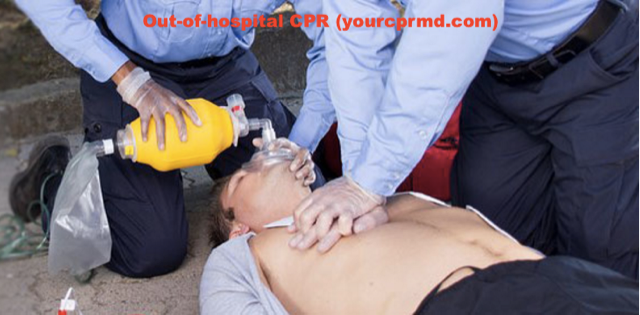


CPR, or cardiopulmonary resuscitation, is a life-saving technique used in emergencies when someone's breathing or heartbeat has stopped. CPR certification is formal training that equips individuals with the skills to respond effectively in such situations. This certification is not limited to healthcare professionals. Teachers, coaches, construction workers, and even parents can benefit from knowing how to perform CPR. The goal of this training is simple but powerful: to save lives during medical emergencies.
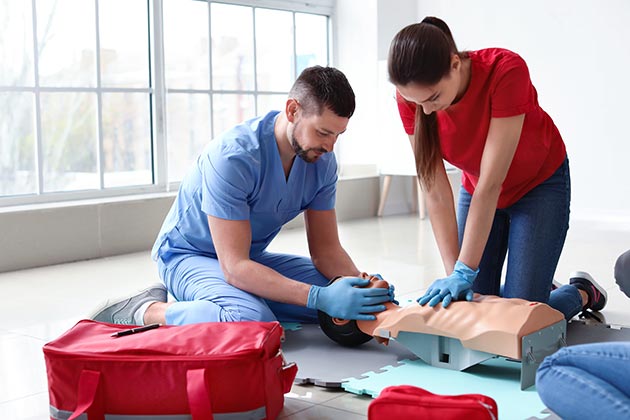
A CPR course typically includes both theoretical instruction and hands-on practice. Participants learn how to recognize signs of cardiac arrest, perform chest compressions, deliver rescue breaths, and use an automated external defibrillator (AED). These essential steps can buy critical time until emergency medical help arrives.
Why CPR Certification Matters
The importance of CPR certification lies in its ability to empower individuals to take action in high-stress moments. Cardiac arrests can happen anywhere at home, in the workplace, or in public spaces. Immediate intervention can double or even triple a person's chance of survival. CPR training ensures that more people are prepared to step in with confidence.
Many employers now require CPR certification, especially in industries where safety and public interaction are priorities. However, the benefits of learning CPR extend far beyond job requirements. Even outside the workplace, certified individuals often feel a greater sense of responsibility and readiness to assist others.
Skills Gained from CPR Training
One of the key benefits of CPR certification is the development of practical, hands-on skills. Trainees learn the correct technique for chest compressions, which is vital to maintain circulation. They also gain experience with rescue breaths, which provide oxygen to someone who is not breathing. Instructors guide participants through real-life scenarios to build confidence and competence.
Another major component of CPR training is the use of AEDs. These devices can restore a normal heart rhythm and are now commonly found in schools, gyms, airports, and other public locations. Knowing how to use an AED correctly can make the difference between life and death.
Building Confidence in Emergencies
One of the often-overlooked advantages of CPR certification is the boost in personal confidence. Emergencies are unpredictable and can be overwhelming. Having CPR training reduces hesitation and fear. Certified individuals are more likely to act quickly and correctly, which improves outcomes for those in need.
This sense of readiness can also provide peace of mind. Parents, for instance, often feel reassured knowing they can help their children during a medical emergency. The same goes for caregivers, teachers, and community leaders who are responsible for others' safety.
Promoting a Culture of Safety
When more people are CPR-certified, it fosters a community-wide culture of preparedness. Workplaces become safer, schools more secure, and neighborhoods more responsive. Individuals who complete certification often become advocates, encouraging others to pursue training as well.
CPR certification is not just about meeting a requirement or gaining a new skill. It is about taking an active role in protecting others. It reinforces the idea that anyone, regardless of profession or background, can make a life-saving difference.
CPR certification is a vital tool that prepares individuals to respond during life-threatening situations. At CPR Education, located at 1825 Mt. Diablo Blvd, Suite B, Walnut Creek, California, USA, 94510, participants receive top-quality training designed to empower and equip them with life-saving skills. With a supportive team available at 925-335-6076 or via josh@cpredu.com, learners benefit from a welcoming and professional environment. From mastering essential techniques to building confidence and promoting safety, the benefits of this training are clear and far-reaching. Whether it is for work, family, or peace of mind, being CPR certified is a step toward becoming a more capable, prepared, and compassionate member of your community.



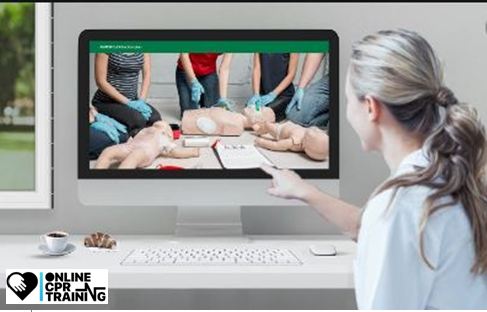
What is cpr certification online?
CPR certification is when a potential rescuer takes a CPR course and passes both a written and skills test in front of a certified CPR instructor.
CPR certification is catered to two types of audiences: healthcare providers/professional emergency responders and the community or workplace responder.