Importance of Implementing City Gas ERP Software by Urban Utilities
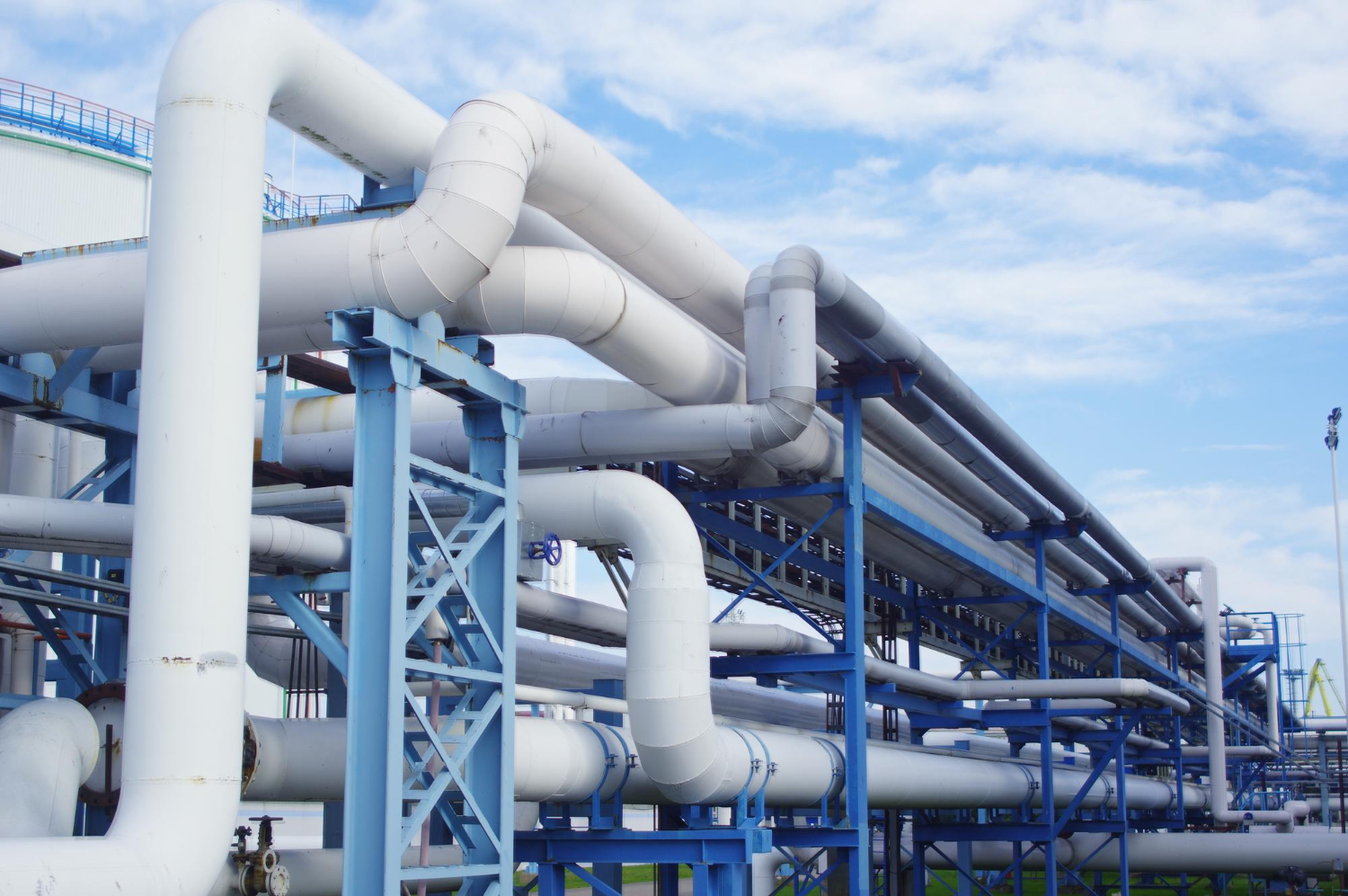
Urban gas distribution networks are inherently complex, requiring constant attention to various tasks. From maintaining an extensive pipeline network to managing maintenance schedules and handling customer inquiries, the workload can be overwhelming. An innovative solution, such as the cgderp system, can transform how urban utilities operate.
Key Benefits of Implementing ERP
Streamlining Operations with ERP
City Gas ERP Software is designed to increase productivity in gas distribution within urban settings. The software reduces repetitive processes and integrates functions, leading to better overall performance.
1. Automating Billing and Payment Processes
Gas utilities often struggle with billing accuracy, resulting in customer dissatisfaction and financial discrepancies. An ERP system automates billing from meter reading to invoice generation, ensuring precise data processing.
Features like automated payment notifications, flexible billing schedules, and mobile payment options enhance customer satisfaction. Utility companies benefit from reduced manual intervention, leading to streamlined revenue collection.
2. Efficient Resource Management
Efficient resource utilization is essential for urban gas companies. The city gas distribution ERP interface helps manage inventory, monitor asset conditions, and schedule maintenance. Managers receive real-time data, allowing them to predict equipment failures and prevent downtime.
By using predictive analytics, maintenance teams can identify issues before they escalate, saving both time and costs. This proactive approach ensures that the gas supply remains uninterrupted.
3. Real-Time Data and Reporting
One of the core strengths of ERP systems is their ability to provide real-time data and insights. Managers can track gas consumption, monitor pipeline conditions, and compile compliance reports from a single dashboard.
Real-time analytics enable utility companies to respond to issues quickly, preventing service disruptions. The system also generates detailed reports, assisting in strategic planning and regulatory compliance.
4. Customer Lifecycle Management
Managing the customer journey efficiently is crucial for urban gas utilities. With the ERP system, customer data, billing history, and service requests are consolidated into a single platform.
Self-service portals allow customers to track gas usage, update personal details, and file complaints without visiting utility offices. This not only enhances the user experience but also reduces the workload on customer support teams.
Real-Life Impact of ERP Implementation
Across the globe, gas companies have adopted ERP systems to improve their operations. A city utility in India, for instance, implemented an ERP system and saw a 30% decrease in billing errors within a year. This improvement led to higher customer satisfaction and better financial performance.
In Europe, a gas distribution company adopted an ERP system to streamline maintenance planning. By leveraging predictive maintenance features, the company reduced emergency repair instances by 20%, significantly lowering operational costs.
Key Components of CGD ERP Software
An ERP system must be feature-rich yet user-friendly to facilitate smooth operations. The city gas distribution ERP software incorporates essential features that enhance both functionality and usability.
Key Features:
Improving Customer Interaction with ERP
Customer management plays a pivotal role in gas distribution. The ERP system improves engagement by supporting effective communication and service management.
1) Notifications and Alerts
Keeping customers informed about maintenance schedules, billing due dates, and service interruptions fosters trust. Automated alerts sent via email, SMS, or app notifications keep users updated.
2) Service Management System
The ERP system includes a ticketing feature that tracks customer complaints and monitors resolutions. This organized approach ensures that service requests are addressed promptly.
3) Transparent Billing
Automated billing reduces inaccuracies and increases transparency. Through the ERP interface, customers can view detailed billing breakdowns and track payments, fostering trust and encouraging timely payments.
Preparing for Future Challenges with ERP
As urban populations grow, gas distribution networks become increasingly complex. An ERP system like cgderp ensures scalability and adaptability to meet evolving demands.
1) Integrating Smart Technologies
Future ERP systems will likely include IoT integration, allowing for real-time monitoring through smart meters. This will enhance data accuracy and offer customers more precise billing.
2) Predictive Maintenance with AI
Artificial intelligence within ERP systems can predict equipment failures before they occur, reducing the risk of gas supply interruptions. This proactive maintenance strategy lowers operational costs and boosts reliability.
Addressing Implementation Challenges
Implementing ERP systems can be daunting due to data migration, user adaptation, and system integration. However, strategic planning and stakeholder involvement can mitigate these challenges.
1) Training and Support
Providing employees with training sessions ensures that they adapt to the new system efficiently. Ongoing support and user-friendly interfaces reduce resistance and facilitate smooth adoption.
2) Ensuring Data Security
Managing sensitive customer data requires robust security measures. ERP systems must implement encryption and secure access controls to protect information from cyber threats.
The Future of ERP in Gas Distribution
As digital transformation accelerates, ERP systems will evolve to meet new challenges. Integration with renewable energy management and environmental monitoring will be standard in future versions.
Data-Driven Decision Making
The ability to analyze large volumes of data allows gas companies to optimize operations and reduce costs. Predictive analytics will become more sophisticated, helping companies plan maintenance and resource allocation more efficiently.
Final Thoughts
Urban gas utilities face the constant challenge of managing operations effectively and efficiently. Implementing City Gas ERP Software not only addresses these challenges but also positions companies for long-term success. By automating routine tasks, integrating customer relationship management, and enabling real-time data analysis, ERP systems make urban gas distribution more streamlined and customer-focused.
Companies investing in modern ERP solutions today will be better prepared to handle future complexities and evolving customer expectations. With ongoing advancements, the future of gas distribution looks more efficient, data-driven, and customer-centric.