

Libraries have long served as the intellectual heart of educational institutions. They are not just spaces to store books; they are dynamic environments that foster learning, innovation, and collaboration. While much attention is paid to books, technology, and digital resources, an often-overlooked element is the importance of library furniture supplies. The design, functionality, and quality of furniture used in libraries directly influence how students and faculty interact with the space. This article explores the crucial role that library furniture plays in supporting the mission of educational institutions.
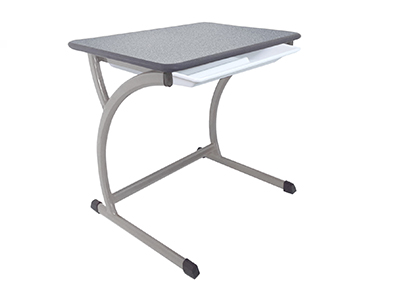
First and foremost, library furniture creates an environment conducive to learning. Comfortable seating, ergonomic desks, and strategically placed lighting all contribute to a setting that promotes concentration and reduces physical strain. Students often spend long hours studying or working on projects, and uncomfortable furniture can discourage extended use of the library. Proper seating arrangements, adjustable chairs, and height-appropriate desks help improve focus and physical well-being, which in turn enhances academic performance.
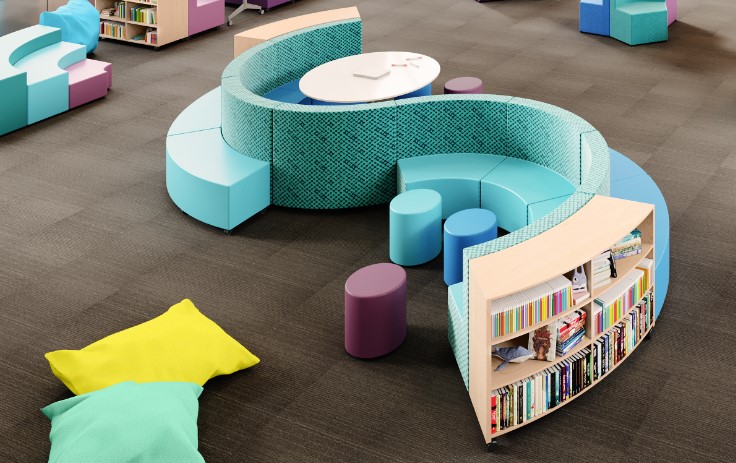
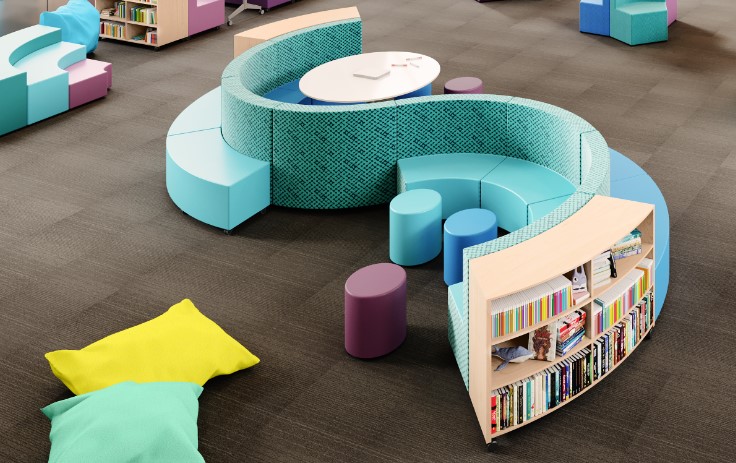
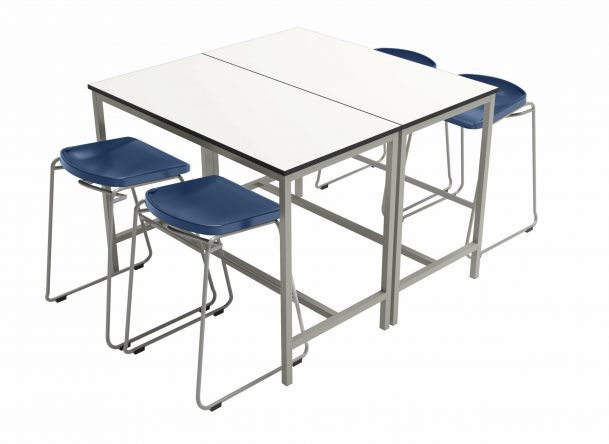
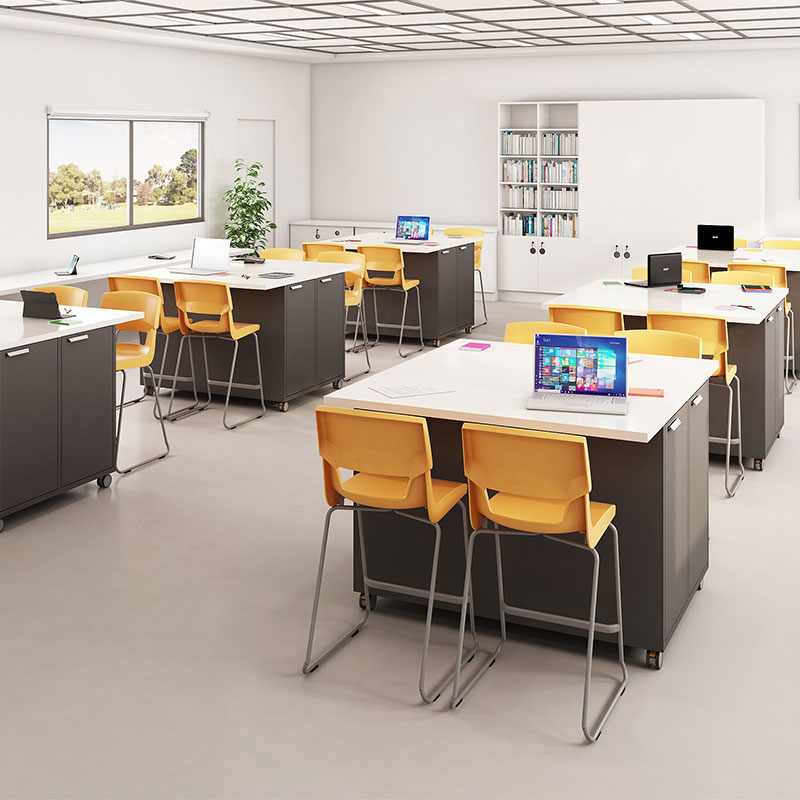
Equally important is the adaptability of furniture to meet diverse learning styles and needs. Today’s educational methods are not limited to silent individual reading. Group study, collaborative projects, and interactive learning have become common in modern education. Library furniture that includes modular tables, movable chairs, and flexible workstations supports these activities. It allows users to reconfigure their environment based on their immediate needs, whether that’s a group discussion, a solo study session, or a tutoring session. This flexibility fosters a more inclusive and dynamic learning experience.
Moreover, storage and organisation play a pivotal role in the efficiency of a library. Shelving units, bookcases, filing cabinets, and multimedia storage are not merely functional - they are essential to maintaining order and accessibility. Well-organised storage solutions make it easier for users to locate materials quickly, thereby saving time and reducing frustration. In an academic setting, time is a valuable resource. Efficiently designed furniture helps streamline information retrieval and supports the smooth operation of library services.
The aesthetic appeal of library furniture cannot be overlooked. A well-designed library space with modern, visually appealing furniture can significantly enhance the overall atmosphere of the institution. A welcoming and attractive library invites students to spend more time there, which can lead to increased learning outcomes. When the library is seen not only as a resource centre but also as a pleasant and comfortable environment, it becomes a hub of intellectual engagement.
Another critical factor is the durability and maintenance of library furniture. Educational institutions often operate on tight budgets, making it essential to invest in furniture that is built to last. High-quality materials and craftsmanship ensure that the furniture can withstand daily use by hundreds, sometimes thousands, of students. Furthermore, furniture that is easy to clean and maintain is vital for hygiene and long-term usability. Institutions benefit from reduced replacement costs and fewer disruptions to service when durable and easy-to-maintain furniture is chosen.
The role of technology in modern libraries has also changed the furniture landscape. With the increased use of computers, tablets, and other digital tools, libraries require furniture that can support tech integration. This includes desks with cable management systems, charging ports, and spaces designed for digital collaboration.
In addition, library furniture can also support sustainability goals. Many institutions are increasingly aware of their environmental impact and seek eco-friendly solutions. Furniture made from sustainable materials, or those that are recyclable or certified by environmental standards, reflects a commitment to responsible resource use. By choosing sustainable furniture, educational institutions not only contribute to environmental preservation but also educate students about the importance of eco-conscious decisions.
To sum up,library furniture supplies play a foundational role in shaping the educational experience within academic institutions. From enhancing comfort and productivity to supporting collaborative learning and technological integration, furniture is a vital component of a functional and inspiring library.

Eduvanz is a new generation financial company that aims at providing loan for educational institutions to those in need from zero interest to students and skilled workers.
Very often, banks do not sanction loan if the application is for any not so known or reputed university.
In such cases, students have no option other than to back out, which are student’s thoughts.