


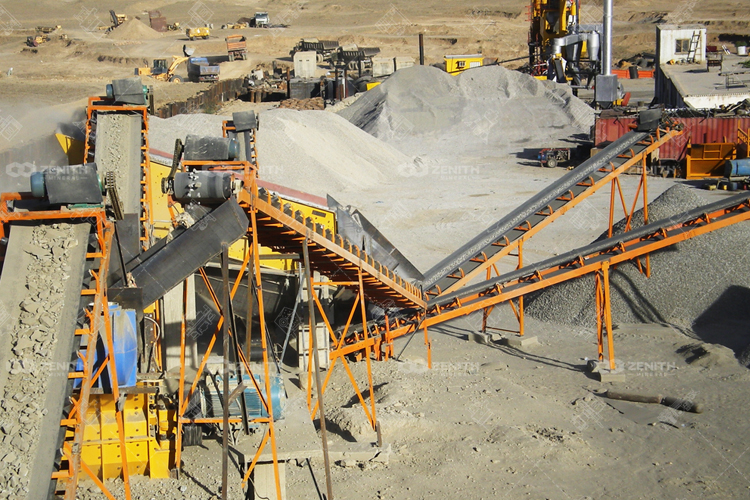
For small businesses in construction, mining, or quarrying, investing in stone crushing equipment can be a significant financial decision. High costs, maintenance, and operational efficiency are key concerns. However, with the right approach, small businesses can find affordable, efficient, and durable stone crushing solutions that maximize productivity without breaking the bank. This article explores cost-effective stone crusher options, key factors to consider, and practical tips to reduce expenses while maintaining performance. 1. Why Cost-Effective Stone Crushing Matters for Small Businesses Small-scale operations often face budget constraints, making it crucial to choose equipment that offers: Lower upfront costs – Affordable machines that fit limited budgets. Reduced operational expenses – Energy-efficient models with minimal maintenance. Flexibility – Compact and mobile crushers for small job sites. Long-term durability – Machines that last longer, reducing replacement costs.
2. Best Cost-Effective Stone Crusher Options A) Small Jaw Crushers Ideal for: Primary crushing of hard rocks (granite, basalt). Advantages: Simple structure, low maintenance, and affordable pricing. Example Models: Mini jaw crushers (e.g., PE 150×250, 200×300). B) Hammer Crushers Ideal for: Soft to medium-hard materials (limestone, coal). Advantages: Low energy consumption, high crushing ratio, and compact design. Best for: Small-scale recycling and aggregate production. C) Portable/Mobile Crushers Ideal for: Businesses needing on-site crushing (construction, demolition). Advantages: Eliminates transportation costs, easy relocation. Example: Small tracked or wheeled mobile crushers. D) Used & Refurbished Crushers Cost Savings: Up to 40-60% cheaper than new machines. Considerations: Check machine history, wear parts, and warranty.
3. How to Reduce Costs in Stone Crushing Operations A) Optimize Energy Efficiency Use electric-powered crushers instead of diesel (lower fuel costs). Choose variable-speed drives to match power usage with workload. B) Minimize Maintenance Costs Regularly inspect wear parts (jaws, hammers, liners). Use high-quality spare parts to extend machine lifespan. Train operators to avoid overloading and misuse. C) Improve Material Handling Use vibrating feeders to regulate input and prevent jams. Pre-sort materials to avoid crushing oversized or unwanted debris. D) Consider Rental or Leasing Options Short-term projects? Renting a crusher may be cheaper than buying. Leasing allows low monthly payments with possible buyout options.
4. Case Study: Small Quarry Cuts Costs by 30% A small quarry in Texas switched from a large stationary crusher to a compact mobile jaw crusher, reducing: Fuel costs by 25% (electric-powered model). Transport expenses (no need for external crushing services). Maintenance downtime with simpler, modular components.
For small businesses, cost-effective stone crushing doesn’t mean sacrificing quality. By choosing the right machine type, optimizing operations, and considering used or rental options, businesses can significantly reduce expenses while maintaining productivity.
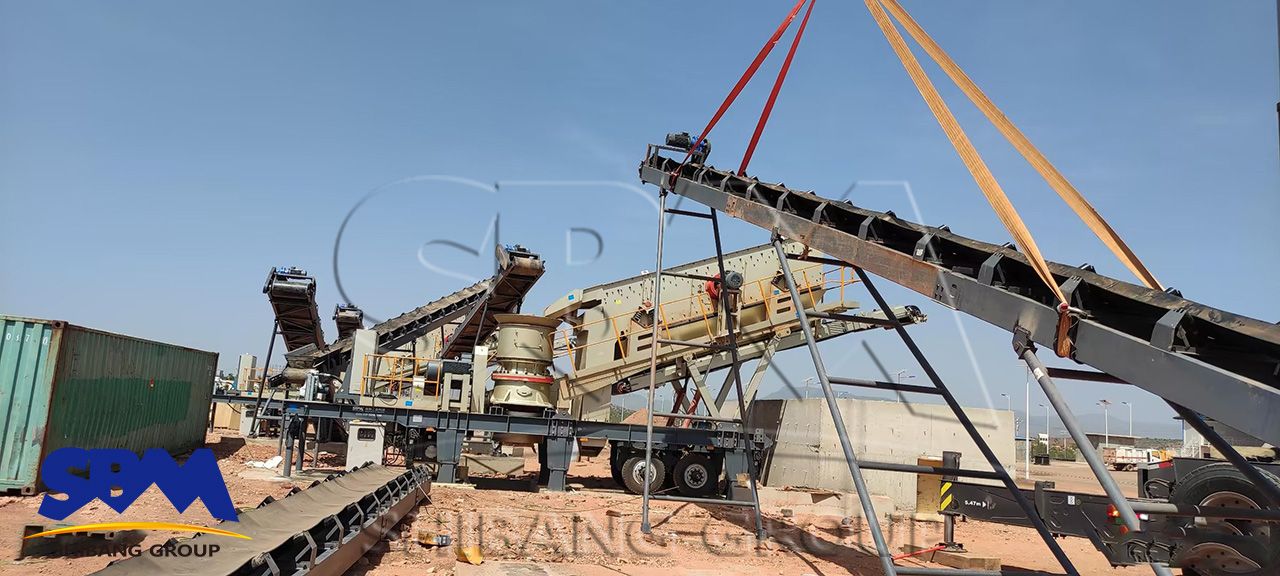
KV Metal Works Brand Gold Crush Jaw Crusher Gold Crush is biggest Manufacturer Supplier of Jaw crusher, Stone crusher, Vibrating screen Feeder in Indore
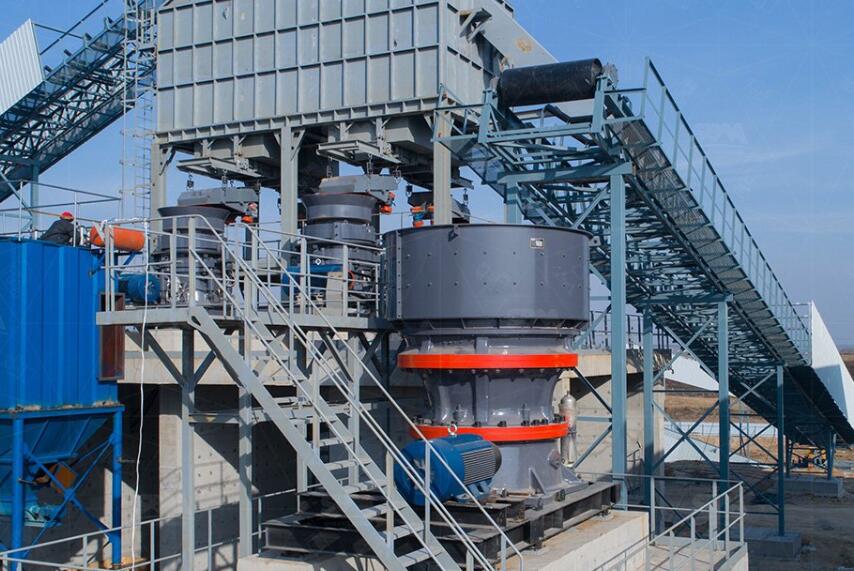
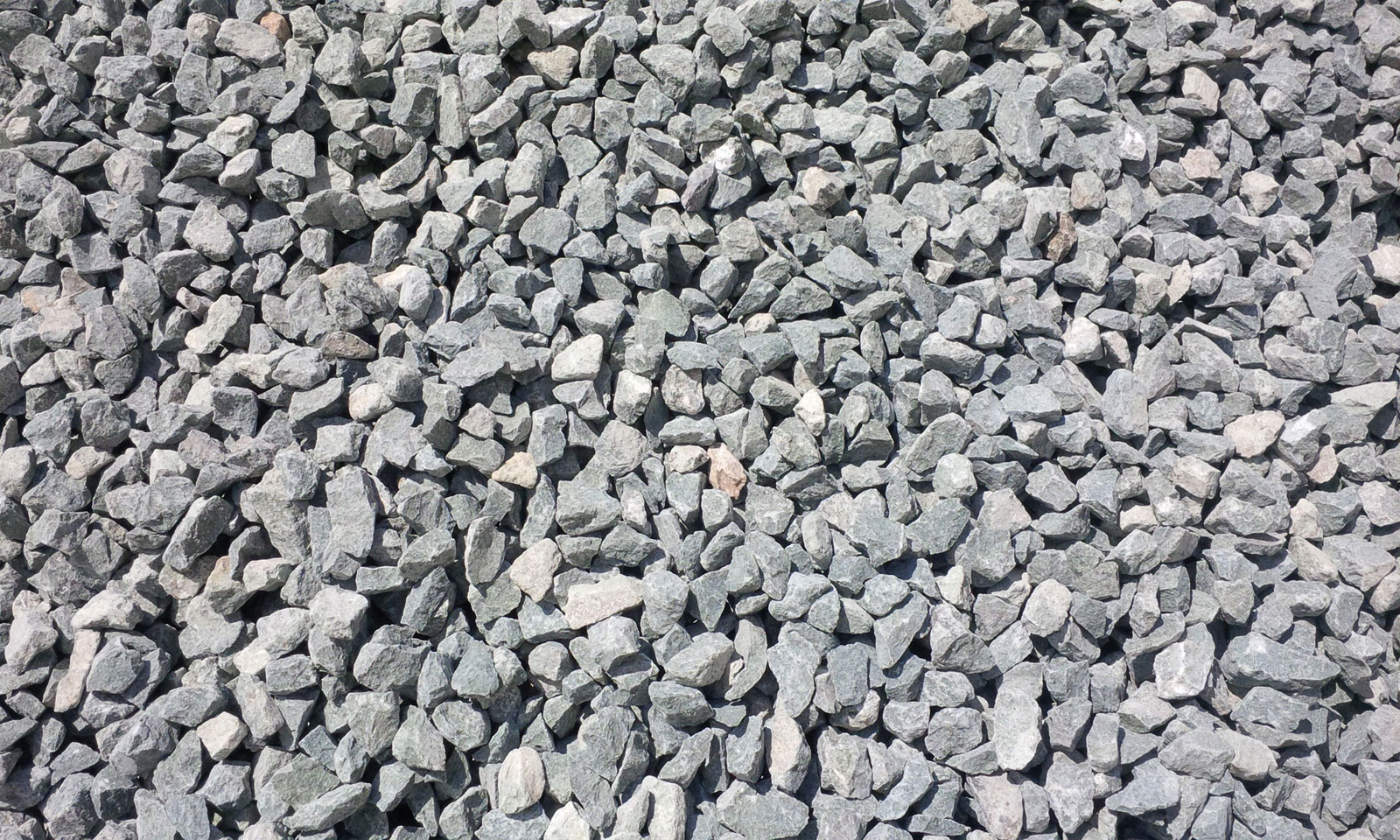
Mesin Pemecah Batu – Memecah batu dengan cara yang tradisional memang membutuhkan waktu yang lama.
Oleh karena itu, agar pekerjaan bisa lebih cepat selesai, dibutuhkan sebuah mesin pemecah batu.Mesin pemecah batu atau yang juga disebut dengan Mesin Stone Crusher saat ini banyak dibutuhkan oleh para pemilik proyek.
Dengan demikian, Anda tak perlu menunggu waktu lama untuk bisa mendapatkan pecahan batu yang lebih banyak.Namun, tidak semua mesin pemecah batu ini memiliki kualitas yang baik.
Dengan begitu, hasil produksi yang akan didapatkan pun bisa lebih banyak.Lalu, bagaimana cara untuk bisa mendapatkan Mesin Stone Crusher yang berkualitas?
Caranya pun sangat mudah, Anda hanya tinggal membeli mesin tersebut di CV.
Tempat tersebut menyediakan berbagai macam mesin industri yang berkualitas, salah satunya yakni mesin penghancur batu atau stone crusher.Jika dibandingkan dengan tempat lainnya, CV.