




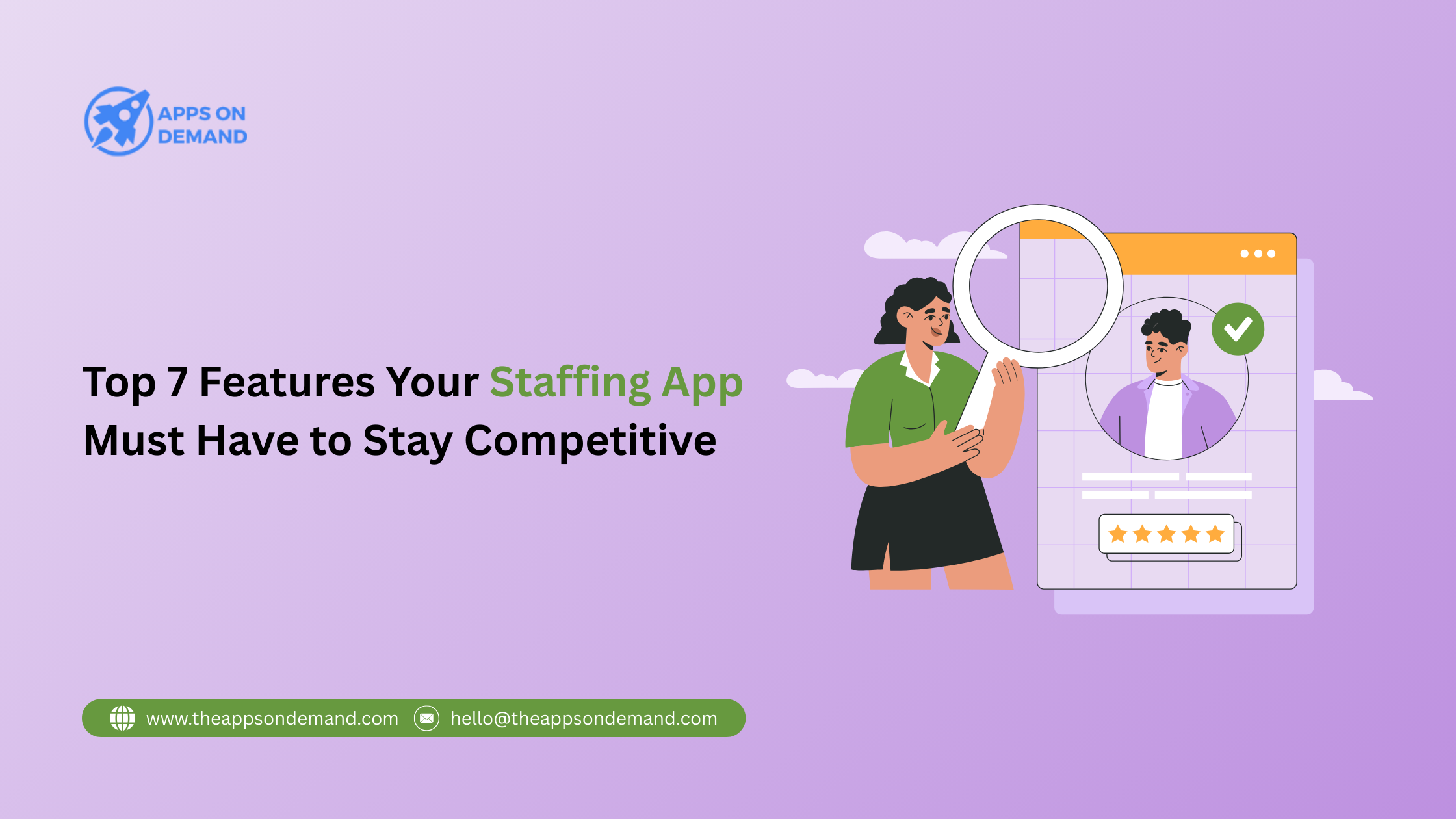
The staffing and recruitment industry is undergoing a significant change due to technological innovations. Dated methods of hiring- manual review of resumes, slow follow-ups, and uncoordinated communication are being superseded by smart mobile-first platforms, rapidly. On-Demand Staffing App Development is a key driver for this change and is the way to provide faster and more flexible and data-centric hiring experiences in line with the modern workforce. In an age when speed, precision, and a stellar user experience are used to measure success, staffing platforms have to find ways of changing the game to move beyond providing a linkage between job seekers and employers. They have to ensure smooth workflows, smart automation, and instant engagement. Regardless of whether you are creating the staffing app for full-time jobs or part-time gigs, freelance work or shift employment, in 2025, here are 7 must-have features that your app cannot do without to remain competitive and ready for the future. 1. Smart Job Matching with AI-Powered Algorithms Why It’s Critical: Manual matching is time-consuming for recruiters and job seekers. Modern users also expect to receive personalized job recommendations that will be in accordance with their talents, experience, location, and tendencies. What to Include:
- An AI-based recommendation engine that considers skill sets, certifications, experience level, availability, and location
- Machine learning that improves suggestions over time based on applicant behavior
- Real-time updates as job listings or candidate profiles change
Bonus Tip: Enable employers to receive auto-matched candidate shortlists and allow job seekers to see “match scores” for roles they apply to. This builds trust and reduces hiring friction. 2. Integrated In-App Communication (Chat, Call, Notifications) Why It’s Critical: One of the biggest pains that occurs in staffing is the absence of real-time communication between recruiters and candidates. There is a risk that e-mails will be overlooked, phone calls can be an intrusion, or badly timed. What to Include:
- In-app chat for immediate communication between recruiters and candidates
- Push notifications for interview alerts, job application updates, and shift reminders
- Voice and video calling options for virtual interviews or onboarding
Bonus Tip: For FAQs, interview scheduling, and onboarding, use chatbots and lessen the strain on live support. 3. Robust Profile Management for Candidates and Employers Why It’s Critical: Incomplete or outdated profiles reduce placement accuracy. A smart staffing app should allow detailed, verified, and customizable profiles for both parties. Candidate Profile Features:
- Resume/CV uploads and parsing
- Skills and experience tracking
- Preferred job type (freelance, contract, full-time)
- Availability calendar
- Background checks and document uploads (KYC, certifications)
Employer Profile Features:
- Company details, branding, and reviews
- Posting history and feedback from previous hires
- HR contact information and preferred communication method
Bonus Tip: Use gamified profile completion tools (progress bars, badges) to encourage users to fully update their details. 4. Seamless Job and Shift Booking System Why It’s Critical: Whether you're managing shift-based temp work or permanent placements, real-time booking is essential for operational efficiency. What to Include:
- Job posting scheduler for employers (instant or future posts)
- Candidates can apply, accept, or decline job offers with one tap
- Real-time availability status for workers
- Shift clock-in/out features with GPS tracking for time validation
Bonus Tip: Allow repeat bookings with favorite candidates or employers. Add calendar sync options (Google, Outlook) for better scheduling visibility. 5. End-to-End Payment Integration and Timesheet Management Why It’s Critical: Delayed or unclear payment processes lead to distrust and app abandonment. A competitive staffing app should offer secure, automated, and transparent payment workflows. What to Include:
- Time tracking (manual or automatic)
- Daily, weekly, or project-based invoicing
- Multiple payment methods: direct bank transfer, digital wallets, UPI, PayPal, etc.
- Tax forms (W-9, 1099) and downloadable payment reports
- Payment status notifications
Bonus Tip: Allow employers to set milestone-based payments and track progress visually through dashboards. Offer workers a payment history and income tracker for financial planning. 6. Rating, Reviews, and Feedback System Why It’s Critical: In the gig economy, trust plays a central role. Staffing apps must include a two-way rating and review system to build credibility and reduce risks for both employers and candidates. What to Include:
- 5-star rating systems with written feedback
- Review moderation tools (to prevent spam or abuse)
- Display average rating and top reviews on profiles
- Optional anonymity for reviewers
Bonus Tip: Incentivize high performers with top-rated badges and feature them in “recommended candidates” or “featured employers” sections. 7. Analytics, Reporting, and Admin Dashboard Why It’s Critical: Both recruiters and job seekers need insights to make informed decisions, while platform owners need full visibility to manage app performance. For Employers:
- Time-to-hire reports
- Application-to-hire ratios
- Workforce availability insights
- Budget tracking and expense analytics
For Candidates:
- Application status tracking
- Skill match reports
- Interview feedback analytics
- Work hours and earnings history
For Admins:
- User metrics (active users, job fills, drop-off rates)
- Fraud detection alerts
- Platform revenue tracking
- Dispute resolution tools
Bonus Tip: Offer customizable dashboards with widgets and exportable reports. Integrate with third-party HR tools or CRMs for added value. Additional Features to Stay Ahead in 2025 Beyond the top seven, here are extra features that can elevate your staffing app even further: ✅ AI Resume Parsing & Screening Auto-read resumes and highlight relevant skills or gaps before they reach the recruiter. ✅ Multi-Language Support Expand your reach in global markets with localized interfaces and language toggles. ✅ Referral and Loyalty Programs Encourage user growth and retention by rewarding referrals and frequent usage with cashbacks, points, or perks. ✅ Compliance Management Ensure workers meet local labor laws, industry-specific regulations, and necessary certifications. ✅ White-Labeling for Enterprises Offer larger staffing agencies or companies a customized version of your platform under their brand. Common Pitfalls to Avoid While building your staffing app, watch out for:
- Poor onboarding flow that increases churn
- Overcomplicated registration or KYC processes
- Lack of customer support options (in-app support is a must)
- Non-scalable backend infrastructure that crashes under load
- Weak data security (especially with payment and ID data)
Make sure your app is designed with user experience, performance, and trust at its core. Final Thoughts The staffing industry is seeing a rapid change, and so are the expectations of users. As it is the case if you are targeting temp agencies, freelance marketplaces, or full-time job placement, your app needs to provide a smooth process that is efficient and intuitive to keep ahead. By implementing these seven must-have features – smart matching, real-time communication, profile management, booking, payments, feedback, and analytics into your marketplace, you improve operational efficiency and earn long-term loyalty of employers and job seekers.
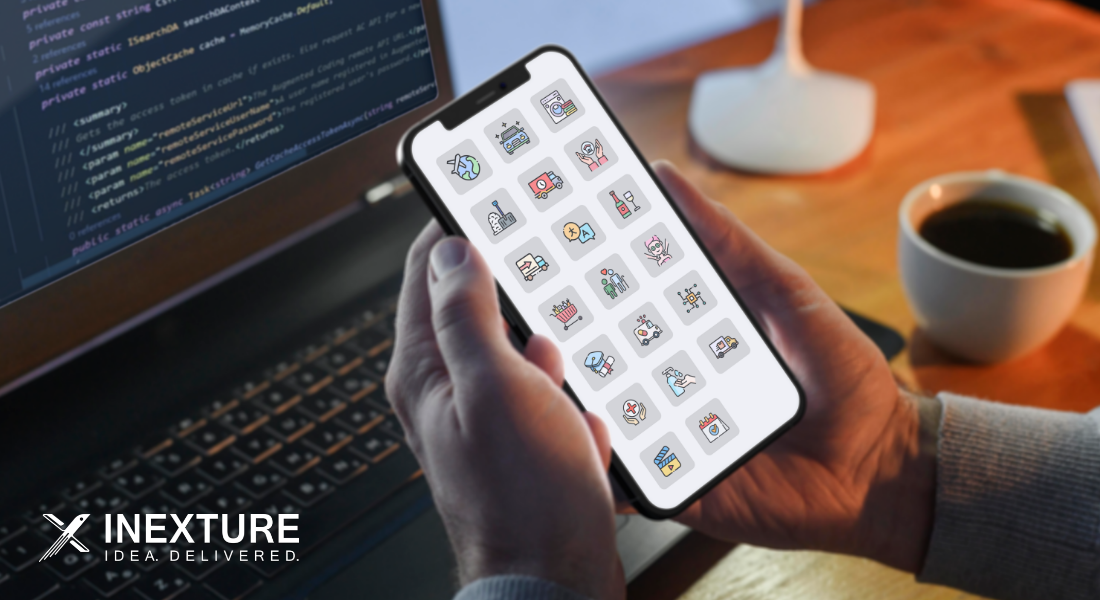
These days, on-demand services have gone beyond retail and eCommerce mobile app development.
The rapidly growing on-demand economy offers many opportunities to enthusiastic entrepreneurs.
You can use any of these on-demand service to initiate a startup and get a high ROI in the relatively short term.
The time is just right to consider on-demand services and expand the horizons of your business!Inexture Solutions LLP is a renowned mobile app development company.
Our in-house team of developers can integrate advanced features based on advancements of emerging technologies including AI and ML.
Simply drop us a line at sales@inexture.com and our expert business consultants will assist you at every step from making a strategy to execute your app development project.