





In today’s business environment, Chief Financial Officers (CFOs) are under immense pressure to drive efficiency, control costs, and support strategic growth—all while ensuring financial accuracy. One area where forward-thinking CFOs are gaining a competitive edge is through Accounts Payable Business Process Outsourcing (AP BPO).
But before you consider outsourcing AP, it's crucial to understand what it really involves, its impact on operations, and how to make it work in your organization’s favor.
What is Accounts Payable Business Process Outsourcing?
Simply put, AP BPO means handing over the day-to-day management of your accounts payable function to a third-party service provider. This can include everything from invoice receipt and processing to approvals, payments, compliance, and reporting.
But this isn’t just about offloading work—it’s about leveraging skilled professionals, smart technology, and streamlined processes to improve accuracy, speed, and scalability.
Why CFOs are Prioritizing AP Outsourcing in 2025
More CFOs are viewing accounts payable not just as a back-office task, but as a strategic lever. Here's why:
1. Cost Efficiency
Traditional in-house AP processes come with hidden costs—staff salaries, software, infrastructure, training, and errors. Outsourcing cuts overheads significantly, replacing fixed costs with variable ones that scale with your needs.
2. Access to Technology Without Capital Investment
Top outsourcing providers use automated AP solutions, OCR (Optical Character Recognition), and AI-based tools to process invoices faster and more accurately. As a CFO, you gain access to these tools without having to invest in expensive platforms or lengthy implementations.
3. Improved Compliance and Risk Management
Regulatory compliance is always top of mind for CFOs. Outsourcing firms typically have deep expertise in handling tax regulations, audit trails, fraud prevention, and global payment compliance—something that can be complex to manage internally, especially across borders.
4. Enhanced Vendor Relationships
Late or incorrect payments can strain supplier relationships. A streamlined, timely AP process ensures vendors are paid on time, strengthening trust and even opening doors to early payment discounts.
5. Scalability for Growth
As your business grows, your AP workload grows too. Outsourcing gives you the ability to scale without needing to constantly hire and train new staff.
Key Benefits CFOs Can Expect
Let’s break it down further into tangible business outcomes:
Common Misconceptions (And the Reality)
“Outsourcing means losing control.”
This is a common fear, but in reality, reputable AP outsourcing firms provide real-time dashboards, audit trails, and complete visibility. In fact, many CFOs report feeling more in control post-outsourcing due to clearer data and accountability.
“Only large enterprises benefit.”
That was true a decade ago. But today’s providers cater to mid-sized and growing businesses too—offering tailored solutions that align with different volumes, industries, and growth stages.
“It will be difficult to integrate with our systems.”
Modern BPO firms are well-versed in working with ERP systems like NetSuite, SAP, QuickBooks, and Oracle. Integration is smoother than ever, with APIs and custom workflows designed to fit your operations.
What to Look For in an AP BPO Partner
Choosing the right provider is critical. Here’s what CFOs should prioritize:
Transitioning to AP Outsourcing: What CFOs Need to Prepare
The move to outsourcing isn’t plug-and-play. Here’s what CFOs should plan for:
1. Process Documentation
Clearly map your existing workflows. Understand where delays and bottlenecks happen. This helps ensure a smoother transition and lets your outsourcing partner build on what works—and fix what doesn’t.
2. Internal Buy-in
Your finance and procurement teams might be skeptical. Communicate early, set expectations, and involve them in the onboarding process. Reassure them that this shift lets them focus on higher-impact work.
3. Vendor Onboarding
Your vendors will also need to adjust to the new process. Communicate clearly about where and how to send invoices, timelines, and whom to contact for queries.
4. Metrics and Monitoring
Define what success looks like. Key metrics might include invoice processing times, cost per invoice, error rates, and vendor satisfaction. Set a baseline and monitor performance consistently.
The Bottom Line for CFOs
Outsourcing accounts payable isn’t just a cost-cutting tactic. When done right, it can become a strategic move that gives your finance function more agility, clarity, and capability.
It allows CFOs to:
In a world where finance leaders are expected to do more with less, Accounts Payable Business Process Outsourcing offers a smarter, more scalable way forward.
Final Thought
As a CFO, your role is no longer just about managing books—it's about shaping the future of the business. Partnering with the right AP outsourcing provider can give you the bandwidth and visibility needed to lead that charge with confidence.



Outsourcinghubinida promises to deliver bespoke, efficient & affordable lease abstraction services.Mail us : sales@outsourcinghubindia.com or call us : +1-646-367-8977.
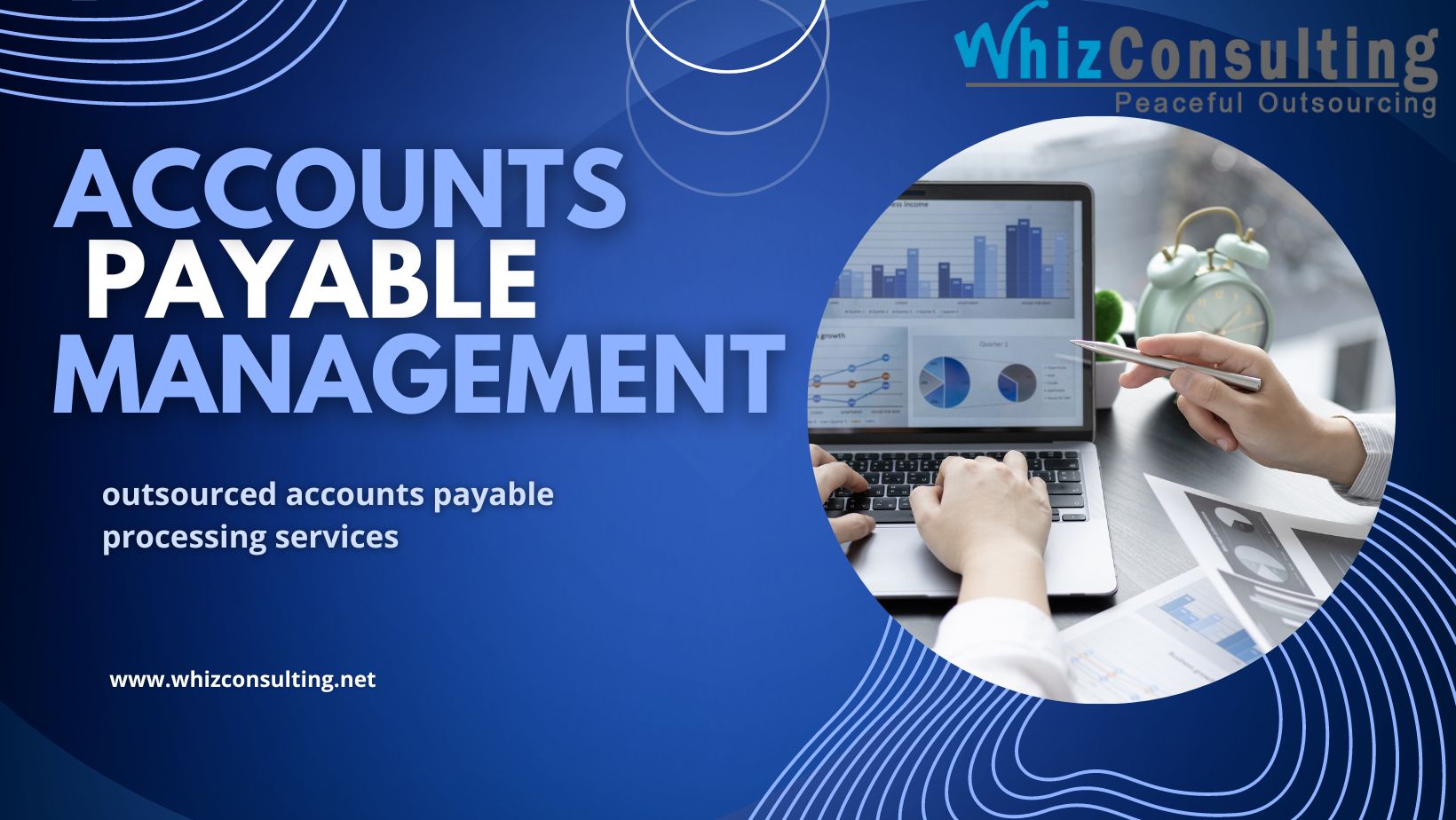

Having a centralized hub to process invoices, implementing multiple approvals in the AP process, and using analytics to measure and improve the process are some of the best practices that can be implemented using AP automation software.