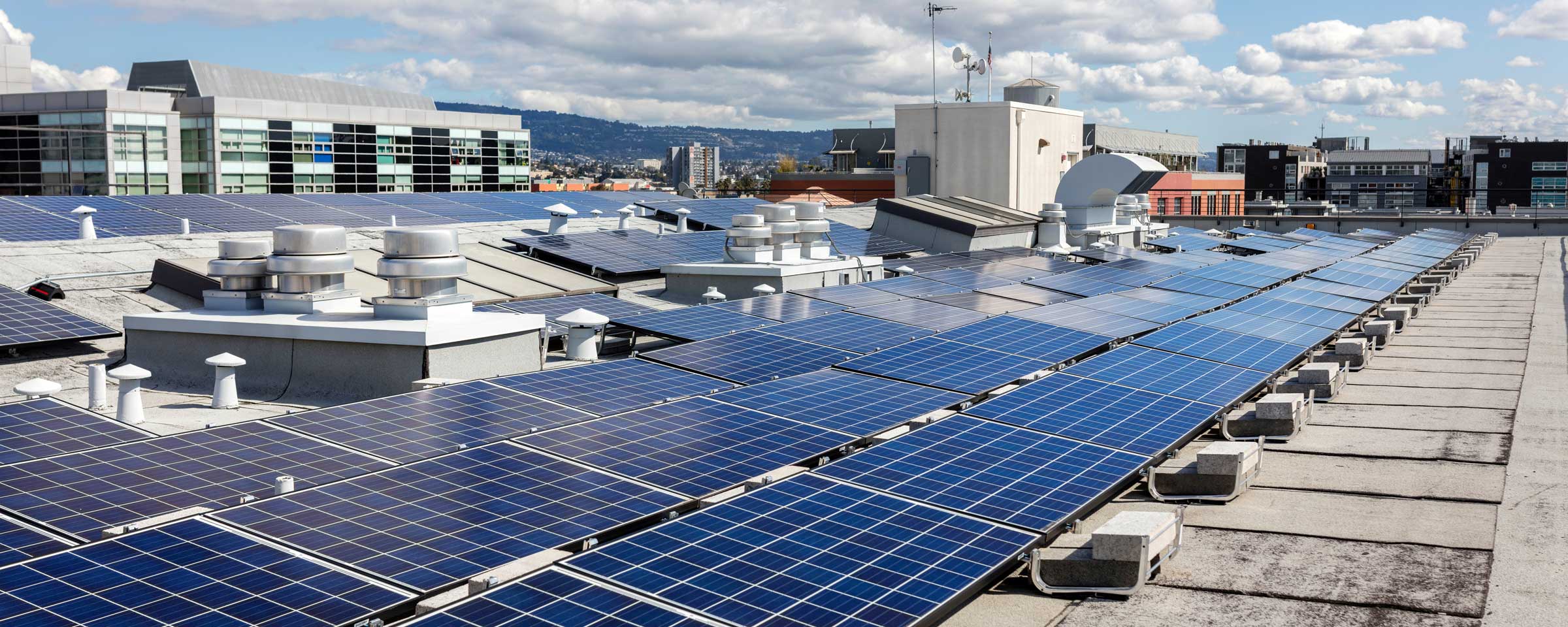
As the world increasingly pivots toward renewable energy sources, one of the most accessible and sustainable options is the rooftop solar photovoltaic (PV) system. These systems have garnered widespread attention for their potential to reduce carbon emissions, cut energy costs, and contribute to global sustainability efforts. But what is the true environmental impact of these systems? While the environmental benefits of rooftop solar are widely recognized, it’s important to also understand the potential environmental challenges associated with their manufacturing, installation, and disposal. This blog explores the positive environmental contributions of rooftop solar PV systems while also addressing the challenges they present.
The Growing Market for Rooftop Solar PV Systems
Rooftop solar PV systems have become an increasingly popular choice for homeowners, businesses, and governments aiming to reduce their carbon footprints. According to a recent report by Persistence Market Research, the global rooftop solar PV market is set to experience substantial growth in the coming years. The market size is expected to grow from US$ 64.8 billion in 2025 to US$ 178.7 billion by 2032, reflecting a compound annual growth rate (CAGR) of 15.6% during the forecast period from 2025 to 2032. This rapid expansion indicates the increasing adoption of rooftop solar across residential, commercial, and industrial sectors, driven by a growing awareness of environmental concerns and the economic benefits of clean energy.
The Environmental Benefits of Rooftop Solar PV Systems
The primary environmental advantage of rooftop solar PV systems lies in their ability to generate clean, renewable energy. Here’s how rooftop solar systems contribute positively to the environment:
1. Reduction in Greenhouse Gas Emissions
One of the most significant environmental benefits of rooftop solar is the reduction in greenhouse gas emissions. Solar energy production does not emit harmful gases like CO2 or methane, which are the primary contributors to climate change. By transitioning from fossil fuels to solar energy, homeowners and businesses can significantly reduce their carbon footprint. According to the U.S. Department of Energy, a typical residential solar system can offset roughly 100,000 pounds of CO2 over 20 years. This reduction plays a crucial role in mitigating the harmful effects of global warming.
2. Decreased Air and Water Pollution
In addition to reducing greenhouse gas emissions, rooftop solar systems help decrease air and water pollution. Fossil fuel-based power generation, particularly from coal and natural gas plants, leads to significant air pollution, including smog, acid rain, and particulate matter. These pollutants can harm human health and contribute to environmental degradation. Furthermore, conventional power plants require vast amounts of water for cooling, which can place a strain on local water supplies. Solar energy, on the other hand, requires no water for energy production, making it a water-efficient alternative.
3. Conservation of Natural Resources
Solar energy is abundant, renewable, and inexhaustible. Unlike coal, oil, and gas, which are finite resources, the sun’s energy is available every day, regardless of weather conditions (albeit in varying degrees). By tapping into solar power, rooftop solar systems help reduce the reliance on depleting natural resources. This shift to renewable energy is crucial for long-term environmental sustainability, ensuring that we don’t exhaust the earth’s natural reserves for energy production.
4. Decreased Demand for Non-Renewable Energy
As more people adopt rooftop solar PV systems, the demand for traditional non-renewable energy sources (such as coal and natural gas) decreases. This shift in demand has far-reaching implications for the energy sector. By reducing the reliance on fossil fuels, rooftop solar systems help decrease the environmental impact associated with extraction, transportation, and burning of non-renewable energy sources.
Potential Environmental Challenges of Rooftop Solar PV Systems
While the environmental benefits of rooftop solar are evident, it's important to recognize the potential environmental challenges associated with solar panel production, installation, and disposal. These challenges need to be addressed to ensure that the full environmental impact of solar energy remains positive.
1. Energy-Intensive Manufacturing Process
The production of solar panels is energy-intensive and involves the extraction of raw materials like silicon, silver, and aluminum. Mining and refining these materials can result in habitat disruption and other environmental consequences, including the release of greenhouse gases. Additionally, the manufacturing process itself requires energy, much of which may come from non-renewable sources. While the long-term benefits of solar energy far outweigh these initial costs, it is important for manufacturers to adopt cleaner production processes to minimize the environmental footprint of solar panel production.
2. E-Waste and Disposal Challenges
At the end of their lifespan, solar panels can become a source of electronic waste (e-waste). While the average lifespan of a solar panel is about 25-30 years, they eventually need to be replaced. Improper disposal of solar panels can result in toxic materials, such as cadmium and lead, leaching into the environment. As the adoption of solar energy grows, there is an increasing need for robust recycling programs that can safely process and reuse the materials in old solar panels. Efforts are already underway to improve recycling technologies for solar panels, but this remains an ongoing challenge.
3. Land Use and Habitat Disruption
While rooftop solar systems typically have minimal land-use impact (since they are installed on existing buildings), large-scale solar farms, which are sometimes needed to meet energy demands, can cause habitat disruption. In some cases, these solar farms are built in areas that were previously natural habitats, leading to biodiversity loss. However, this issue is less of a concern for rooftop solar PV, as it doesn’t require large amounts of land and utilizes already-developed spaces.
Mitigating the Environmental Impact of Rooftop Solar PV
To further enhance the sustainability of rooftop solar PV systems, several measures can be taken:
1. Investment in Cleaner Manufacturing Practices
To reduce the environmental impact of solar panel production, the industry must prioritize cleaner manufacturing processes. This includes using renewable energy in the production process, reducing the use of harmful chemicals, and recycling materials from the start. Companies that focus on sustainability can help lower the environmental footprint of solar energy while making it more eco-friendly overall.
2. Promoting Solar Panel Recycling
To combat e-waste and reduce the negative environmental effects of old solar panels, the development of efficient recycling programs is essential. Recovered materials from used panels, such as silicon, glass, and metal, can be repurposed into new solar panels or other products. This will help minimize waste and reduce the demand for new raw materials.
3. Integrating Solar with Other Green Technologies
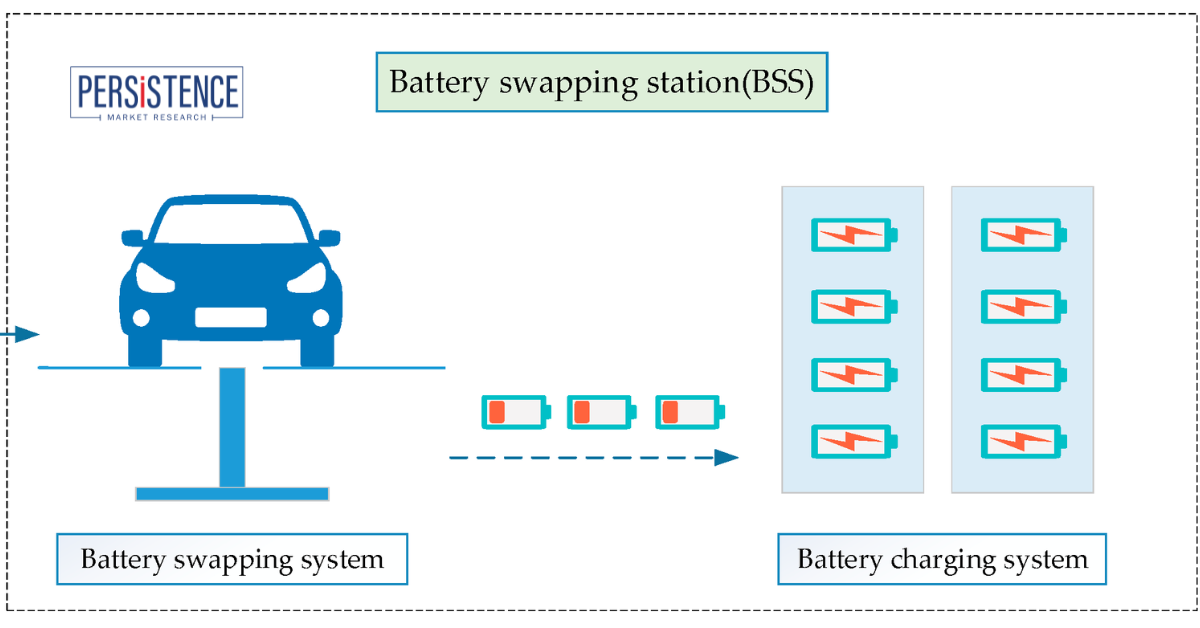
Solar energy can be integrated with other green technologies, such as energy storage systems and energy-efficient building designs, to optimize the overall environmental benefits. For example, solar panels paired with battery storage systems can help store excess energy for later use, reducing reliance on the grid and making solar power a more reliable source of clean energy.
Conclusion
Rooftop solar PV systems represent one of the most promising technologies in the transition to renewable energy. Their environmental benefits, such as reducing greenhouse gas emissions, decreasing air and water pollution, and conserving natural resources, make them an essential part of the fight against climate change. However, like any technology, they come with challenges, particularly in terms of manufacturing energy demands and end-of-life disposal. With continued innovation and improvements in solar technology, recycling practices, and sustainable production methods, rooftop solar systems can continue to offer significant environmental benefits while mitigating the challenges they present. As adoption continues to rise, rooftop solar PV systems will play a critical role in the global effort toward a more sustainable future.