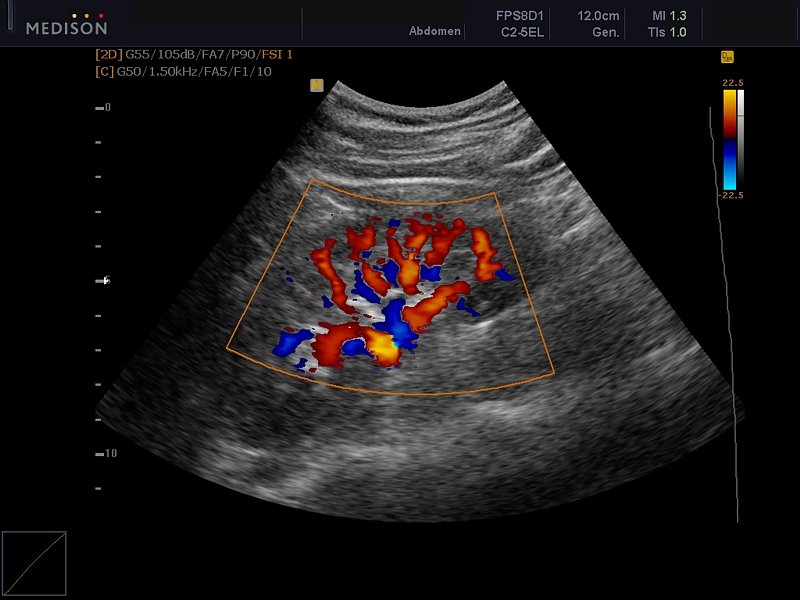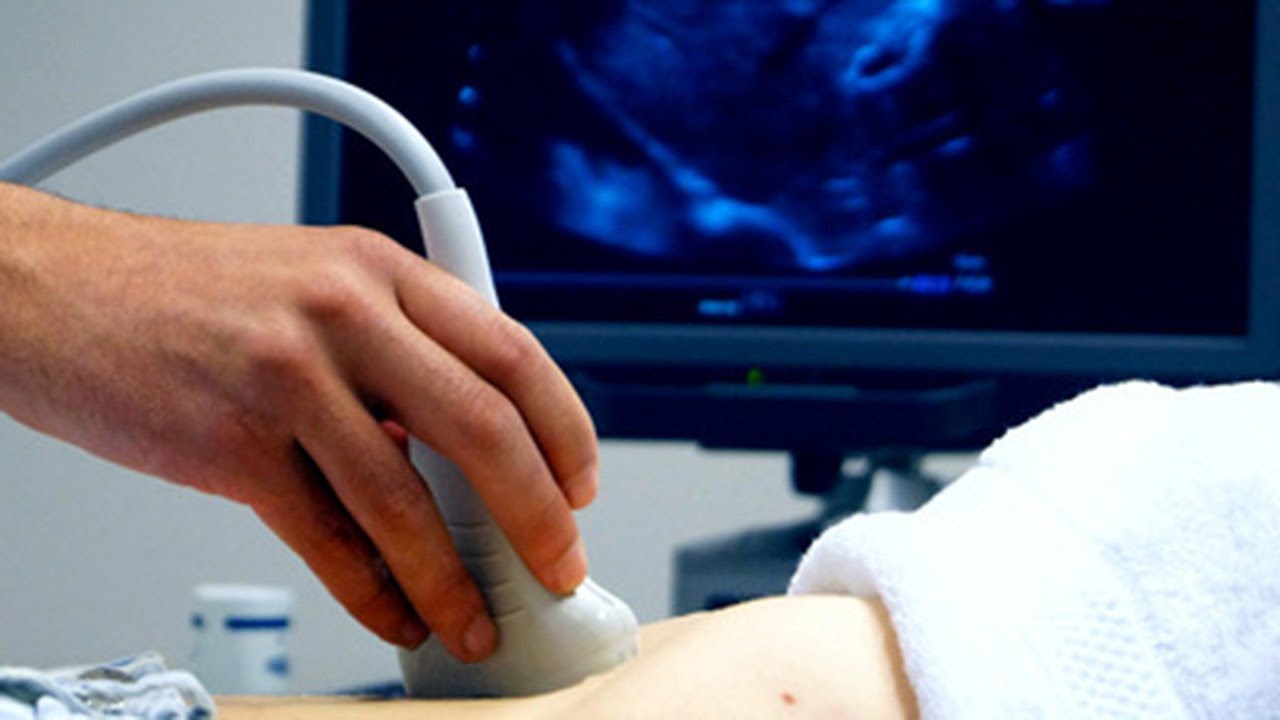
Doppler ultrasound leverages the Doppler effect to assess
blood flow dynamics by emitting high-frequency sound waves and analyzing frequency shifts upon reflection from moving red blood cells. This non-invasive imaging method provides real-time velocity measurements, directional flow mapping, and waveform analysis without ionizing radiation exposure. In cardiovascular assessments, Doppler ultrasound identifies stenosis severity, valve regurgitation, and intracardiac shunts through spectral Doppler waveforms and color flow imaging.
Obstetric applications include monitoring fetal heart rate and placental blood flow, while vascular specialists evaluate peripheral arterial disease and deep vein thrombosis via duplex scanning. The combination of pulsed-wave and continuous-wave Doppler modes allows clinicians to tailor examinations to specific depth and velocity requirements, ensuring precise diagnostic insights. As a cornerstone of diagnostic ultrasonography, Doppler ultrasound informs treatment planning, guides interventional procedures, and supports longitudinal patient monitoring.
Key Applications of Doppler Ultrasound Across Medical Fields In cardiology, Doppler Ultrasound serves as the primary tool for evaluating cardiac hemodynamics and valvular pathologies, aiding in the measurement of ejection fraction, transvalvular gradients, and intracardiac pressures. Vascular surgeons rely on Doppler studies to map vascular anatomy, identify arterial occlusions, and plan endovascular interventions. In obstetrics and gynecology, fetal Doppler ultrasound assesses uteroplacental circulation and fetal well-being, helping to detect growth restrictions and cord abnormalities.
Neurologists use transcranial Doppler to monitor cerebral blood flow velocities in stroke patients and during subarachnoid hemorrhage management. Emergency departments deploy focused Doppler examinations to rapidly triage trauma patients and detect internal bleeding. Additionally, sports medicine specialists utilize Doppler ultrasound to evaluate musculoskeletal injuries, differentiate between tendinopathies and tears, and monitor healing progress. By addressing a broad spectrum of clinical inquiries—ranging from diagnostic clarification to procedural guidance—Doppler ultrasound remains integral to modern healthcare practice.
Advancements Driving Next-Generation Doppler Ultrasound Systems Innovations in Doppler ultrasound are centered on enhancing sensitivity, spatial resolution, and ease of use. Super-resolution imaging techniques exploit microbubble contrast agents combined with advanced signal processing to visualize microvascular networks that were previously undetectable. Artificial intelligence–driven algorithms automate waveform interpretation, plaque characterization, and vessel segmentation, reducing inter-operator variability and accelerating report generation.
Portable and wireless Doppler probes integrate seamlessly with tablet devices and smartphones, facilitating bedside and remote diagnostics. High-frequency linear transducers with expanded bandwidth enable improved superficial structure visualization, while matrix array technology supports volumetric flow assessment and real-time 3D Doppler rendering. Manufacturers continue to optimize battery life, probe ergonomics, and user interfaces to meet the demands of point-of-care ultrasound applications. As the emphasis on value-based care grows, the integration of cloud-based data storage and tele-ultrasound functionality ensures efficient workflow, collaborative consultations, and ongoing performance monitoring.
Comparative Review of Leading Doppler Ultrasound Equipment Models
A detailed comparison of leading Doppler ultrasound systems highlights differences in transducer configurations, color flow sensitivity, spectral bandwidth, and stroke volume calculation capabilities. Entry-level consoles often feature single-channel pulsed-wave Doppler with basic waveform analysis and lower frame rates suitable for outpatient clinics. Mid-range models introduce dual-channel spectral and color Doppler, offering enhanced penetration for deeper vascular assessments and moderate noise reduction. High-end platforms provide tri-modal imaging—combining B-mode, color Doppler, and power Doppler—with advanced signal compounding, strain imaging, and 4D volumetric Doppler.
Key performance indicators include maximum measurable velocity, aliasing threshold, and dynamic range. Beyond technical specifications, service contracts, software upgrade policies, and warranty terms influence total cost of ownership and operational uptime. Prospective purchasers should evaluate device scalability, integration with electronic health record systems, and availability of specialized probes for cardiovascular, transvaginal, or intraoperative applications. This comparative review empowers decision-makers to align technology selection with clinical requirements and budget considerations.
Commercial Competitiveness: Leading Manufacturers and Models in 2024
The commercial landscape for Doppler ultrasound is characterized by robust competition among established medical device manufacturers and agile newcomers specializing in niche applications. Top-tier companies maintain broad product portfolios encompassing portable scanners, high-resolution consoles, and specialty probes for vascular, cardiac, and obstetric use cases. Emerging vendors differentiate through AI-driven workflows, telemedicine integration, and hybrid imaging solutions that merge Doppler with optical or photoacoustic modalities. Market entrants focus on developing price-competitive handheld scanners with cloud-native architectures and subscription-based analytics.
Collaborative initiatives between imaging hardware firms and software developers fuel rapid adoption of advanced Doppler features, such as clutter suppression, motion compensation, and real-time AI triage alerts. Buyers evaluating commercial viability should consider vendor track records, regulatory approvals, and post-sale support networks.
Get this Report in Japanese Language- ドップラー超音波
Get this Report in Korean Language- 도플러 초음파
Read More Articles related to this Industry- How Modern POS Systems Are Transforming Retail Businesses About Author-
Money Singh is a seasoned content writer with over four years of experience in the market research sector. Known for her strong SEO background, she skillfully blends SEO strategies with insightful content. Her expertise spans various industries, including food and beverages, biotechnology, chemical and materials, defense and aerospace, consumer goods, etc. (https://www.linkedin.com/in/money-singh-590844163)