Understanding Zero Drop Shoes: A Foundation for Natural Foot Movement
Zero drop shoes are revolutionizing the way we think about footwear by offering a design that promotes natural foot movement. These shoes feature a heel-to-toe drop of zero millimeters, ensuring that the heel and forefoot are at the same level, akin to standing barefoot. This design philosophy is rooted in the idea of encouraging a more natural gait and posture, which has been linked to improved alignment and reduced strain on the joints.
Traditional footwear often includes elevated heels, which can disrupt the natural biomechanics of the foot and leg. This alteration can lead to issues such as joint pain and muscle imbalances. By transitioning to zero drop shoes, wearers may experience a shift towards a more natural walking and running style, potentially reducing the risk of injury and enhancing overall foot health. The zero drop design encourages the strengthening of muscles in the feet and lower legs, as they are required to engage more actively and stabilize the body compared to conventional footwear.
Moreover, zero drop shoes can contribute to better posture and alignment. With the heel and forefoot on the same plane, the body is encouraged to stand tall and balanced, reducing undue pressure on the spine and joints. This can be particularly beneficial for individuals who spend long hours on their feet or engage in activities that demand agility and stability.
Exploring Barefoot Running Shoes: A Step Towards Enhanced Performance
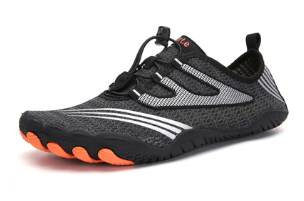
Barefoot running shoes are designed to offer the sensation of running without shoes while providing essential protection from the elements. These shoes are characterized by their minimalist design, lightweight construction, and flexible soles, allowing the foot to move as naturally as possible. Despite their simplicity, barefoot running shoes serve as a barrier against rough terrain and debris, making them suitable for various running environments.
One of the significant advantages of barefoot running shoes is their ability to encourage a forefoot or midfoot strike. This running style can reduce the impact on the heels and lower legs, leading to a more efficient stride and potentially decreasing the risk of repetitive stress injuries. Runners often report feeling more connected to the ground and experiencing improved balance and agility when wearing barefoot running shoes.
Transitioning to barefoot running shoes requires a period of adaptation. The muscles and tendons in the feet and legs need time to adjust to the new demands placed on them. Runners are advised to gradually increase their mileage in barefoot running shoes to prevent overuse injuries and allow their bodies to acclimate to the new running mechanics. This gradual transition helps in building strength and resilience in the foot muscles, enhancing overall performance.
Furthermore, barefoot running shoes can improve proprioception, the body's ability to sense its position in space. With increased sensory feedback from the ground, runners can fine-tune their movements, leading to better coordination and agility. This heightened awareness can be particularly beneficial in competitive running, where precision and efficiency are paramount.
Unveiling the Benefits of Barefoot Shoes: A Path to Improved Foot Health
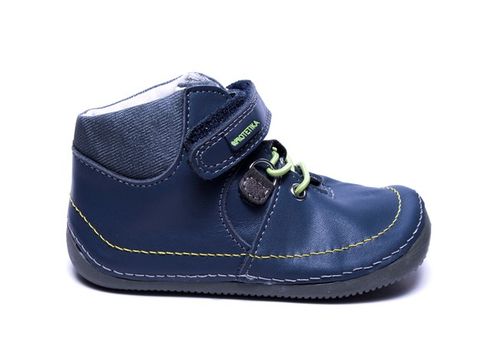
Barefoot shoes offer a myriad of benefits for foot health, primarily by promoting natural movement and strengthening the muscles of the feet and lower legs. The minimalist design of barefoot shoes allows the feet to move freely, encouraging a natural gait and posture. This can lead to improved alignment of the body and reduced stress on the joints, contributing to overall well-being.
By allowing the feet to move naturally, barefoot shoes can help in developing stronger and more resilient foot muscles. This enhancement in muscle strength can improve stability and balance, reducing the likelihood of falls and injuries. Additionally, the increased sensory feedback from the ground can improve proprioception, which is crucial for coordination and agility.
Another significant benefit of barefoot shoes is their potential to alleviate certain foot problems, such as plantar fasciitis and bunions. By promoting a more natural foot position and encouraging the use of intrinsic foot muscles, barefoot shoes may help reduce pain and discomfort associated with these conditions. However, it is important to note that individuals with specific foot issues should consult with a healthcare professional before making the switch to barefoot shoes.
Moreover, barefoot shoes can enhance the overall quality of life by allowing individuals to engage more fully in physical activities. With improved foot health, people can enjoy activities such as walking, running, and hiking with greater ease and comfort. This can lead to increased physical fitness and a more active lifestyle.
Choosing the Right Hike Footwear: Embracing Barefoot Principles on the Trail
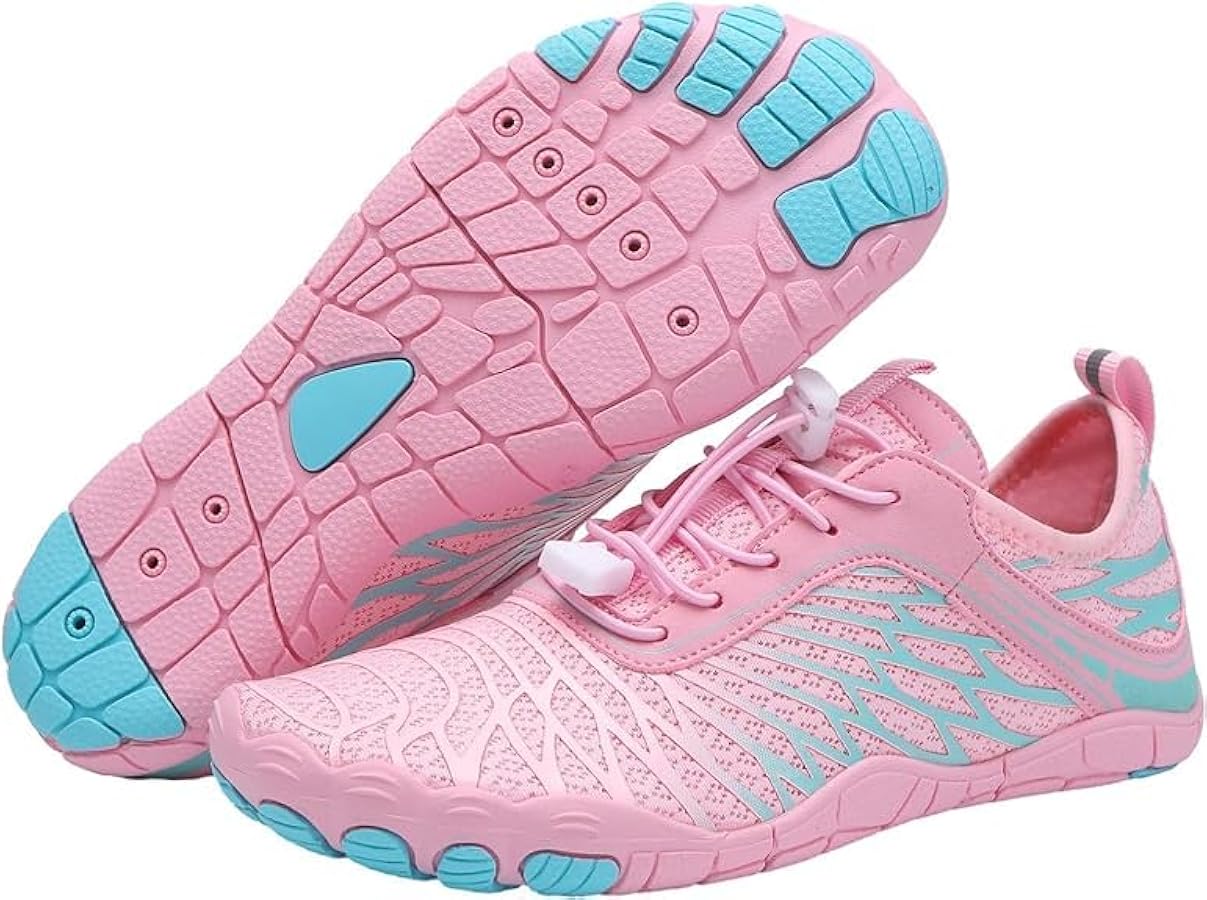
When it comes to hiking, selecting the right footwear is crucial for comfort and performance. Barefoot hiking shoes are designed to offer the benefits of barefoot shoes while providing the necessary protection and support for rugged terrains. These shoes typically feature a durable, flexible sole that allows for natural foot movement, along with a lightweight and breathable upper to keep the feet comfortable during long hikes.
Barefoot hiking shoes can enhance the hiking experience by allowing the feet to engage more fully with the terrain. This can lead to improved balance and stability, as well as a greater sense of connection with the natural environment. The flexibility of barefoot hiking shoes also allows for better adaptability to uneven surfaces, reducing the risk of slips and falls.
When transitioning to barefoot hiking shoes, it is important to start with shorter hikes and gradually increase the distance and difficulty. This allows the feet and legs to adjust to the new demands and helps prevent overuse injuries. Additionally, hikers should consider the specific conditions of their hiking trails, as some terrains may require additional protection or support.
Furthermore, barefoot hiking shoes can contribute to a more sustainable hiking practice. By encouraging natural foot movement and reducing reliance on heavily cushioned footwear, hikers can minimize their environmental impact. This aligns with the growing trend of eco-friendly outdoor activities, where the focus is on preserving nature while enjoying its beauty.
Conclusion: Embracing the Natural Benefits of Barefoot Shoes
Barefoot shoes offer a unique approach to footwear by promoting natural movement and enhancing foot health. Whether you are interested in zero drop shoes, barefoot running shoes, or barefoot hiking shoes, the benefits of this minimalist footwear are clear. By encouraging a more natural gait and strengthening the muscles of the feet and lower legs, barefoot shoes can improve balance, stability, and overall foot health.
As with any transition, it is important to give your body time to adjust to barefoot shoes. Gradually incorporating them into your routine and paying attention to your body's signals can help you make the most of the benefits they offer. Whether you're running on city streets or hiking through rugged trails, barefoot shoes can provide a closer connection to the ground and a more natural way of moving.
Ultimately, the choice to switch to barefoot shoes is a personal one, and it is essential to consider your individual needs and preferences. Consulting with a healthcare professional or a footwear specialist can provide valuable insights and guidance as you explore the world of barefoot footwear. By embracing the principles of natural movement, individuals can enjoy improved foot health and a more active lifestyle, paving the way for a healthier future.
Source: https://hike-footwear.com