As energy efficiency becomes a global priority, professionals trained in energy management systems are in high demand. Becoming an ISO 50001 Internal Auditor offers a rewarding career in sustainability, compliance, and operational improvement. Here’s a complete guide to help you get certified and advance your expertise.
ISO 50001 is the international standard for Energy Management Systems (EnMS). It provides a framework for organizations to improve energy performance, reduce costs, and minimize environmental impact. Internal auditors play a crucial role in ensuring compliance with ISO 50001 by evaluating energy policies, procedures, and processes.
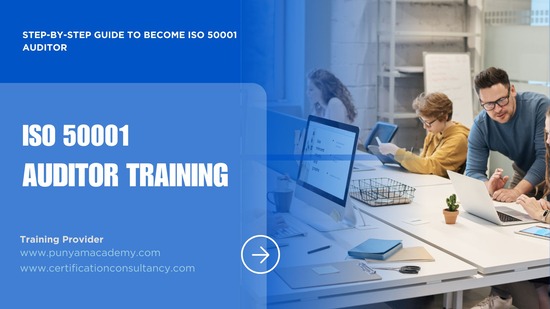
Here is a step-by-step guide on how to become certified as an ISO 50001 internal auditor.
Step 1: Understand ISO 50001
Before pursuing certification, gain a thorough understanding of the ISO 50001 standard. Familiarize yourself with its structure, clauses, and objectives. The focus of ISO 50001 is on continual energy performance improvement, making it vital for auditors to understand energy metrics, performance indicators, and energy-saving strategies.
Step 2: Meet Eligibility Requirements
While there are no strict academic requirements, most training providers recommend a background in engineering, energy management, environmental science, or a related field. Basic knowledge of audit principles and ISO management systems is helpful but not mandatory.
Step 3: Enrol Internal Auditor Training
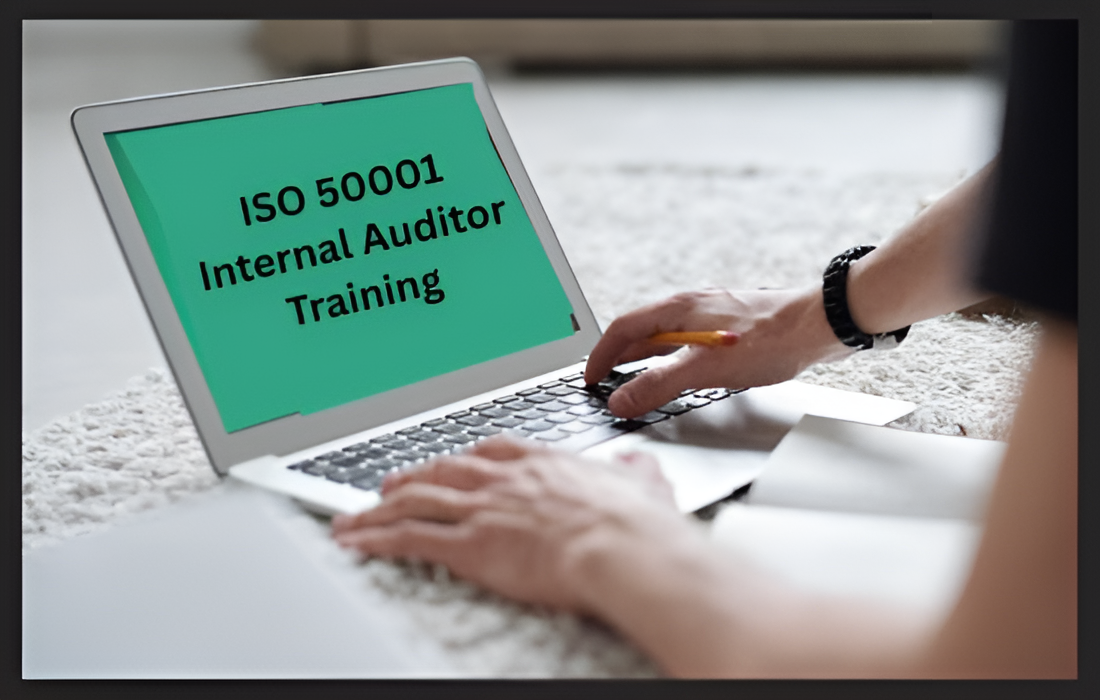
To get certified, you'll need to complete formal training. Look for a well-recognized provider offering ISO 50001 Auditor Training. A good course will cover the basics of energy management systems, how to plan and conduct audits, identify risks, review documentation, and write effective audit reports. Most programs last 2–3 days and hands-on activities.
If you're looking for a flexible, online option, check out the ISO 50001 Internal Auditor Training course from Punyam Academy. It's designed for busy professionals and provides everything you need—practical examples, expert guidance, and a certification exam you can take from anywhere.
Step 4: Complete the Assessment
After training, candidates must pass a written assessment to demonstrate their knowledge and skills. This may include multiple-choice questions, case studies, and simulated audits. Some training providers issue a certificate of completion upon passing, which is recognized by many organizations.
Step 5: Gain Practical Experience
Hands-on auditing experience enhances your credibility. Participate in internal audits within your organization or volunteer for audit teams. This practical exposure reinforces classroom learning and builds confidence in handling real-world audit scenarios.
Step 6: Apply for Certification
Several professional bodies offer ISO 50001 Internal Auditor certification. Requirements may vary but generally include proof of training, passing an exam, and some practical experience. Once certified, keep your knowledge current with periodic refresher courses and industry updates.
Earning ISO 50001 Internal Auditor certification not only boosts your career but also positions you as a key player in sustainable energy management. With the right training and dedication, you can contribute to building a more energy-efficient future while advancing your professional goals.