Introduction
Ever tried shouting a command to your dog in a park full of distractions and got nothing but a wagging tail? You’re not alone. Dogs aren’t always tuned into our voices—especially when the world around them is full of smells and squirrels. That’s where visual cues for dogs come in.
Training your dog using hand signals not only boosts obedience but also sharpens your bond. This Hand Signal Dog Training Guide is your one-stop playbook to mastering silent commands and becoming your pup’s favorite communicator.
Understanding Your Dog’s Perspective
Dogs are experts at reading body language. While humans rely heavily on words, dogs watch movement. That sideways glance? That tilt of your hand? It all means something to your furry friend.
Interestingly, dogs don’t always hear as well as we think, especially as they age. Visual cues often get through when verbal ones don’t.
Benefits of Hand Signal Training
Training with hand signals isn’t just about being flashy—it’s deeply effective. Here’s why:
When to Use Hand Signals
Visual commands are perfect when:
Getting Started with Hand Signal Dog Training
First things first—start simple.
Basic Hand Signals for Dogs
Let’s cover the foundation:
Advanced Hand Signals
Once your dog masters the basics, take it up a notch.
How to Teach a Hand Signal
Visual Cues for Dogs with Special Needs
Dogs with hearing loss rely solely on sight. For them:
Learn more tips from this helpful guide on visual cues for dogs.
Common Mistakes to Avoid
Combining Verbal and Visual Cues
Many trainers start with both, then slowly fade the verbal part. You might whisper “sit” but just raise your hand one day—and voilà, your pup obeys.
Visual Cues vs. Verbal Commands
So, which is better?
Why not use both? Let them reinforce each other.
Tools to Enhance Visual Dog Training
Staying Patient and Positive
Like kids learning math, dogs need repetition, encouragement, and love. Don’t rush it. Every dog learns at their own pace. Celebrate small victories like tail wags or eager stares—they’re signs you’re on the right track.
Conclusion & Final Thoughts
Hand signal training is one of the most effective and rewarding ways to bond with your dog. Not only does it enhance communication, but it also turns your training sessions into fun, engaging games. Whether your dog is young, aging, or hard of hearing, using visual cues opens up a world of understanding.
For expert tips, visit ibelu and dive deeper into dog training knowledge.
FAQs
1. Can any dog learn hand signals? Absolutely! Age, breed, or background doesn’t matter—any dog can learn with patience and practice.
2. How long does it take to train a dog with hand signals? It depends on the dog, but many learn basic signals within a few weeks of consistent training.
3. What if my dog doesn’t look at me? Use treats and eye contact games to build engagement. You can’t train with hand signals if your dog never looks at you!
4. Should I stop using verbal commands altogether? Not necessarily. Use both if it works for you and your dog. Visual cues are just a bonus, not a replacement (unless needed).
5. Are hand signals good for aggressive or reactive dogs? Yes! In fact, silent communication can calm a reactive dog better than shouting commands.
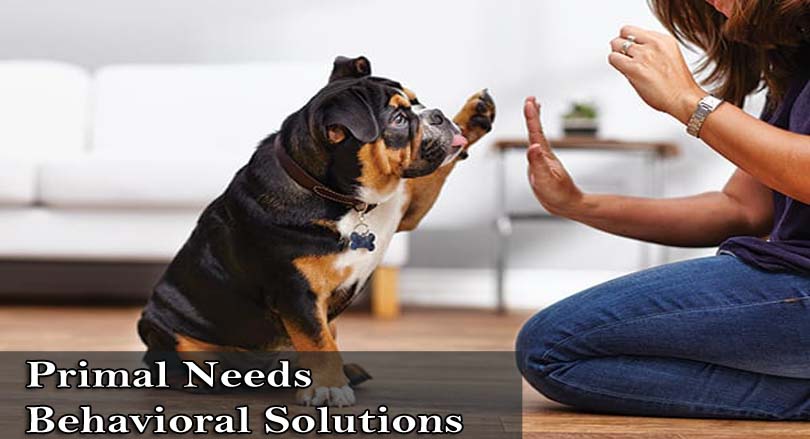
Primal needs dog training help/relief for dog owners via behavioral dog training programs to address underlying causes of dog’s misbehaviour.
Various dogs like Dexter, Wes and teddy and many others are trained by Blair.
Blair Diamond is helping dog owners with their dog's behavioral issues since 2005 & received training in animal behavior analysis, & the number of Master Dog Trainers throughout the US.