





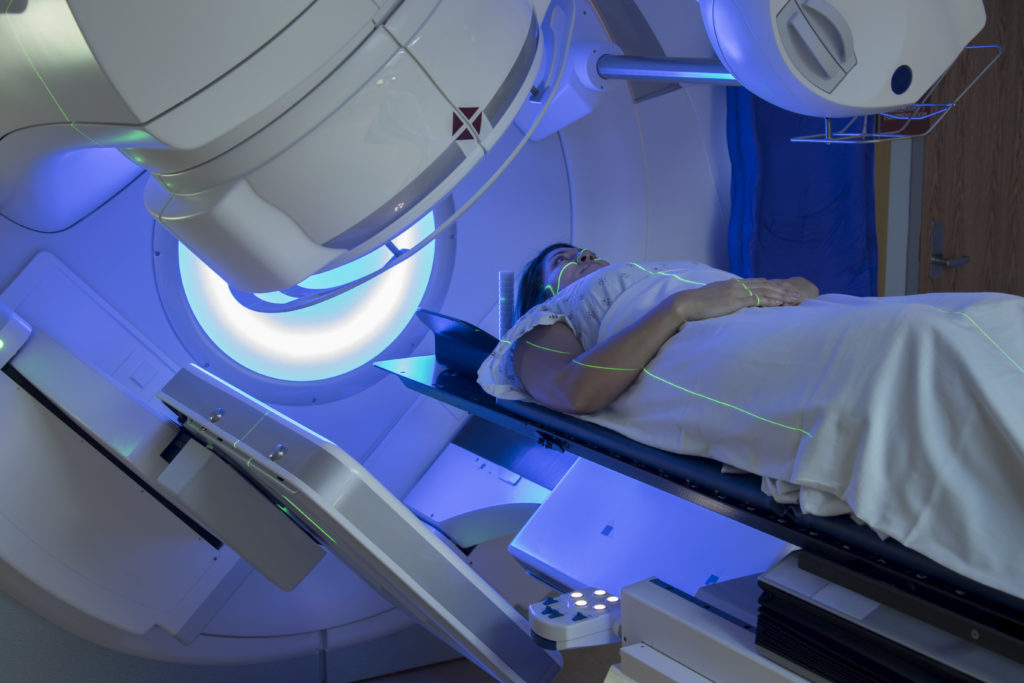
Radiation therapy plays a crucial role in treating many types of cancer. While it targets cancer cells effectively, it can also lead to side effects that affect a person’s overall well-being. Proper nutrition and consistent self-care practices can help manage these effects and support the body throughout cancer radiation treatment.
The Importance of Nutrition During Radiation
Radiation therapy can take a toll on the body, often causing fatigue, loss of appetite, nausea, and changes in taste. These side effects can interfere with regular eating habits, making it harder for patients to get the nutrients they need to heal and stay strong.
Why Good Nutrition Matters
- Supports the immune system: Proper nutrients help your body fight infections and repair tissue.
- Prevents muscle loss: Protein and calories are necessary to maintain lean body mass.
- Manages side effects: Certain foods can ease symptoms like nausea, mouth sores, or constipation.
- Increases energy levels: Well-eating helps overcome fatigue, a most frequent side effect of radiation.
Nutrition Tips for Patients Undergoing Radiation
Here are some practical ways to maintain a healthy diet during cancer radiation treatment:
1. Focus on High-Protein Foods
Protein is essential for cell repair and immune function. Attempt to have a good protein source with each meal.
- Lean meats like chicken and turkey
- Fish and seafood
- Eggs
- Greek yogurt and cheese
- Legumes and tofu
2. Eat Small, Frequent Meals
If you’re struggling with appetite or nausea, try eating 5 to 6 small meals throughout the day rather than three large ones. This can also help stabilize energy levels.
3. Choose Nutrient-Dense Foods
Go for foods that pack a lot of nutrition into each bite:
- Whole grains (quinoa, brown rice, oats)
- Fresh fruits and vegetables
- Nut butters and seeds
- Smoothies with added protein
4. Stay Hydrated
Dehydration can worsen radiation side effects. Aim for 8–10 cups of fluids a day, including:
- Water
- Herbal teas
- Broth-based soups
- Electrolyte drinks if recommended by your doctor
5. Modify Foods Based on Side Effects
Depending on the area being treated, side effects may require dietary adjustments. For example:
- Sore mouth or throat: Use soft foods such as oatmeal, mashed potatoes, and smoothies.
- Digestive issues: Eat low-fiber foods for diarrhea or increase fiber for constipation.
- Nausea: Stick to bland foods like crackers, rice, or bananas, and avoid greasy or spicy meals.

Self-Care Strategies During Cancer Radiation Treatment
Alongside good nutrition, self-care is essential in managing the emotional and physical toll of radiation therapy. Here are some self-care practices to support your healing process.
1. Prioritize Rest and Sleep
Fatigue is a frequent side effect of cancer radiation Treatment. Resting allows your body to heal and recharge. Tips to improve sleep:
- Create a relaxing bedtime routine
- Avoid screens before bed
- Keep your bedroom cool and quiet
- Nap when needed, but limit naps to 30 minutes
2. Gentle Physical Activity
Unless your doctor advises otherwise, light exercise can improve mood, energy, and overall health.
- Short walks
- Gentle yoga or stretching
- Breathing exercises
Always listen to your body and avoid overexertion.
3. Manage Stress and Emotions
Radiation therapy can be emotionally challenging. Stress management techniques can help improve your mental health.
- Meditation or mindfulness
- Talking to a counselor or support group
- Journaling your thoughts and feelings
- Listening to music or reading
4. Protect Your Skin
Radiation can irritate the skin in the treated area. To care for your skin:
- Use gentle, fragrance-free moisturizers
- Avoid tight clothing over the treated area
- Don’t apply lotions right before treatment
- Stay out of direct sunlight and wear SPF
5. Maintain Social Connections
Staying in touch with friends and family can boost your emotional well-being and reduce feelings of isolation.
- Schedule regular calls or video chats
- Join online support communities
- Let loved ones help with meals or errands
When to Seek Help
Don’t hesitate to reach out to your care team if you experience:
- Unintentional weight loss
- Severe or ongoing nausea
- Difficulty swallowing or keeping food down
- Signs of dehydration (dark urine, dry mouth, dizziness)
- Emotional distress or anxiety
Nutritionists and mental health professionals who specialize in cancer radiation treatment can offer personalized support and interventions to help you feel your best.

Final Thoughts
Taking care of yourself during radiation therapy goes beyond attending treatment sessions. Nourishing your body with the right foods and embracing self-care strategies can significantly improve your quality of life and treatment outcomes. Everyone’s experience is different, so it’s important to be gentle with yourself, ask for help when needed, and focus on small steps that support your well-being each day.
Whether you’re just beginning cancer radiation treatment or are midway through your journey, a strong foundation of nutrition and self-care can make all the difference.
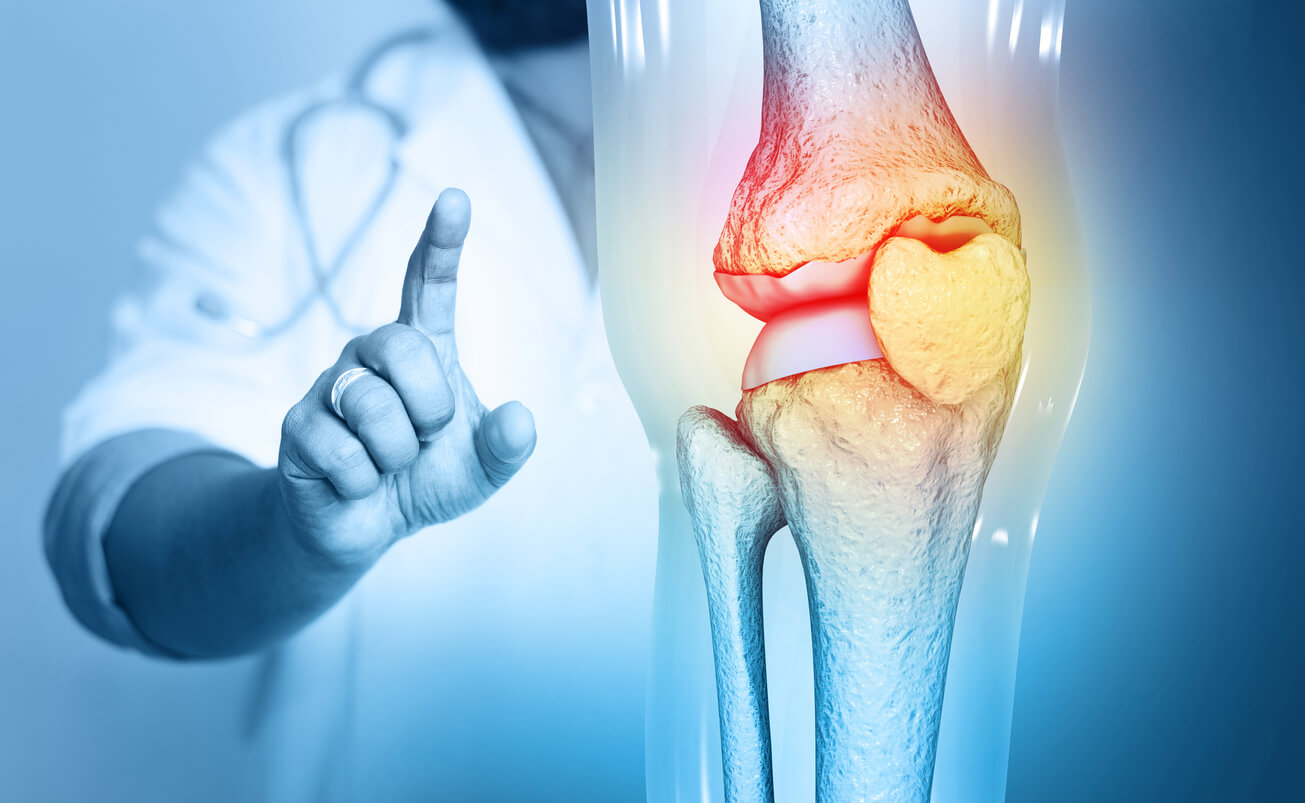


The treatment of cancer using extremely high amounts of radiation directed at malignant cells is known as radiation therapy.
It is mostly utilised to eliminate malignant cancer cells while causing little harm to healthy cells nearby.
This radiation therapy procedure employs high doses of x-rays.
Because the little tumours are not in the direct line of the radiation beams, they are unaffected.
To reduce the negative effects of radiation therapy for cancer, doctors keep the patient under continual observation.
Patients are advised to refrain from engaging in activities that emit excessive radiation, such as x-rays, tanning beds, tanning booths, and hair straightening equipment.Aprons and hats, which absorb more radiation, are also discouraged.

