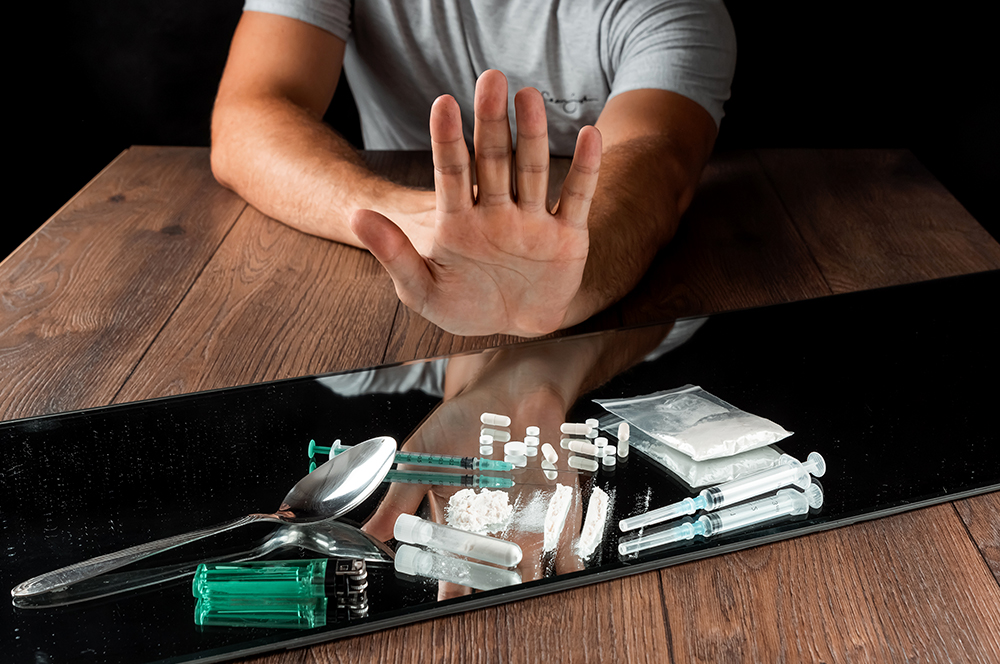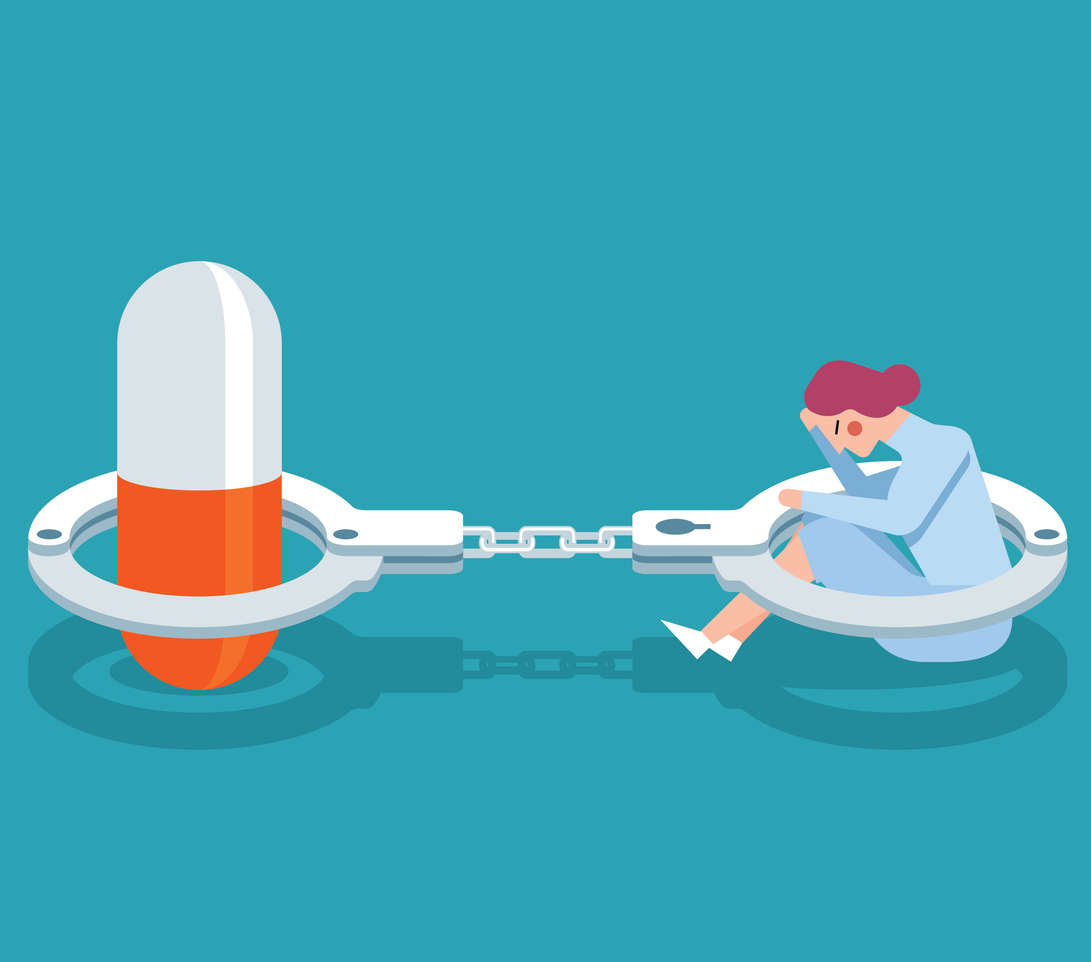
Drug addiction continues to affect thousands of individuals and families across the United States. In Pennsylvania, the issue is particularly significant, as the state has seen a sharp rise in substance use disorders over the past decade. Fortunately, Pennsylvania offers a wide range of services to help those struggling with addiction find a path to recovery.
If you or a loved one is seeking help, it’s essential to understand the types of drug addiction treatment in Pennsylvania that are available. This blog explores the various services offered, how they work, and where you can find them.
Understanding Drug Addiction
Before diving into the treatment options, it’s helpful to know what drug addiction is. Drug addiction, also known as substance use disorder, is a chronic disease that affects the brain and behavior. People with addiction often find it difficult to control their use of drugs, even when they know the consequences.
Addiction can involve illegal drugs like heroin or cocaine, as well as legal substances such as prescription opioids, alcohol, or even nicotine. Over time, substance use can change the way the brain functions, making it hard for individuals to quit on their own.
This is why drug addiction treatment in Pennsylvania focuses on both physical and psychological aspects of the disease.
Key Services for Drug Addiction Treatment in Pennsylvania

Pennsylvania has a well-established network of public and private organizations offering treatment services for drug addiction. These services typically include:
Detoxification Services
Detox is the first step in most addiction treatment plans. It involves clearing the body of drugs while managing withdrawal symptoms. In Pennsylvania, many facilities offer medically supervised detox programs to ensure the safety and comfort of patients.
These programs may last anywhere from a few days to a couple of weeks, depending on the substance involved and the severity of the addiction.
Inpatient (Residential) Treatment
Inpatient or residential rehab provides 24/7 care in a structured environment. Patients live at the treatment facility and receive a range of therapies including individual counseling, group therapy, family support, and holistic treatments.
In Pennsylvania, inpatient treatment is available in both short-term (typically 28–30 days) and long-term formats (60 days to 6 months or more). These programs are ideal for individuals with severe addictions or those who have relapsed multiple times.
Outpatient Programs

Outpatient treatment is a flexible option for individuals who do not require 24-hour care. These programs allow patients to live at home and attend therapy sessions during the day or evening.
There are several levels of outpatient care offered for drug addiction treatment in Pennsylvania, such as:
Medication-Assisted Treatment (MAT)
MAT combines medications with behavioral therapies to treat substance use disorders, particularly opioid and alcohol addiction. Common medications include methadone, buprenorphine (Suboxone), and naltrexone.
In Pennsylvania, many MAT clinics offer these services in both inpatient and outpatient settings. MAT is highly effective in reducing cravings and preventing relapse.
Behavioral Therapy and Counseling
Therapy is a core part of any successful drug addiction treatment. Pennsylvania offers access to licensed counselors and therapists who use evidence-based techniques, such as:
Therapies focus on changing negative thought patterns, building coping skills, and improving decision-making.
Dual Diagnosis Treatment
Many people with substance use disorders also suffer from mental health conditions like depression, anxiety, or PTSD. This is known as a dual diagnosis or co-occurring disorder.
In Pennsylvania, several treatment centers specialize in dual diagnosis care. These programs address both the addiction and the mental health issue at the same time for a more holistic recovery.
Support Groups and Peer Recovery Services

Community support plays a vital role in recovery. Pennsylvania has numerous support groups such as:
These groups offer peer support, accountability, and a sense of belonging. Additionally, Pennsylvania supports peer recovery specialists who have lived experience and can guide others through recovery.
Aftercare and Relapse Prevention
Recovery doesn’t end when formal treatment does. Aftercare services help individuals transition back into everyday life while maintaining sobriety. These may include:
Aftercare is crucial to long-term success, and many facilities in Pennsylvania offer personalized plans to reduce the risk of relapse.
Telehealth and Online Treatment Options
With the rise of technology, more treatment centers in Pennsylvania now offer telehealth services. This means individuals can receive therapy, counseling, and medication management remotely via phone or video call.
Addiction Treatment in Ohio is effective due to its personalized, comprehensive approach. At HomeBridge Recovery, individuals receive tailored treatment plans, combining medical detox, therapy, and aftercare support.
How to Access Drug Addiction Treatment in Pennsylvania

Finding the right treatment program can feel overwhelming, but several resources can help:
Insurance and Payment Options
Many treatment services are covered by insurance, including Medicaid and private plans. For those without insurance, Pennsylvania offers state-funded programs and sliding-scale fees based on income.
It’s always a good idea to contact the treatment center directly to ask about payment options, insurance coverage, and availability.
Final Thoughts
The journey to recovery is personal, but you don’t have to walk it alone. The wide variety of services for drug addiction treatment in Pennsylvania ensures that everyone can find help that fits their needs, lifestyle, and budget.
Whether you’re looking for detox, counseling, residential care, or peer support, Pennsylvania has a solution. Early intervention and comprehensive care can make all the difference, so don’t hesitate to reach out and start the path to a healthier, drug-free life.