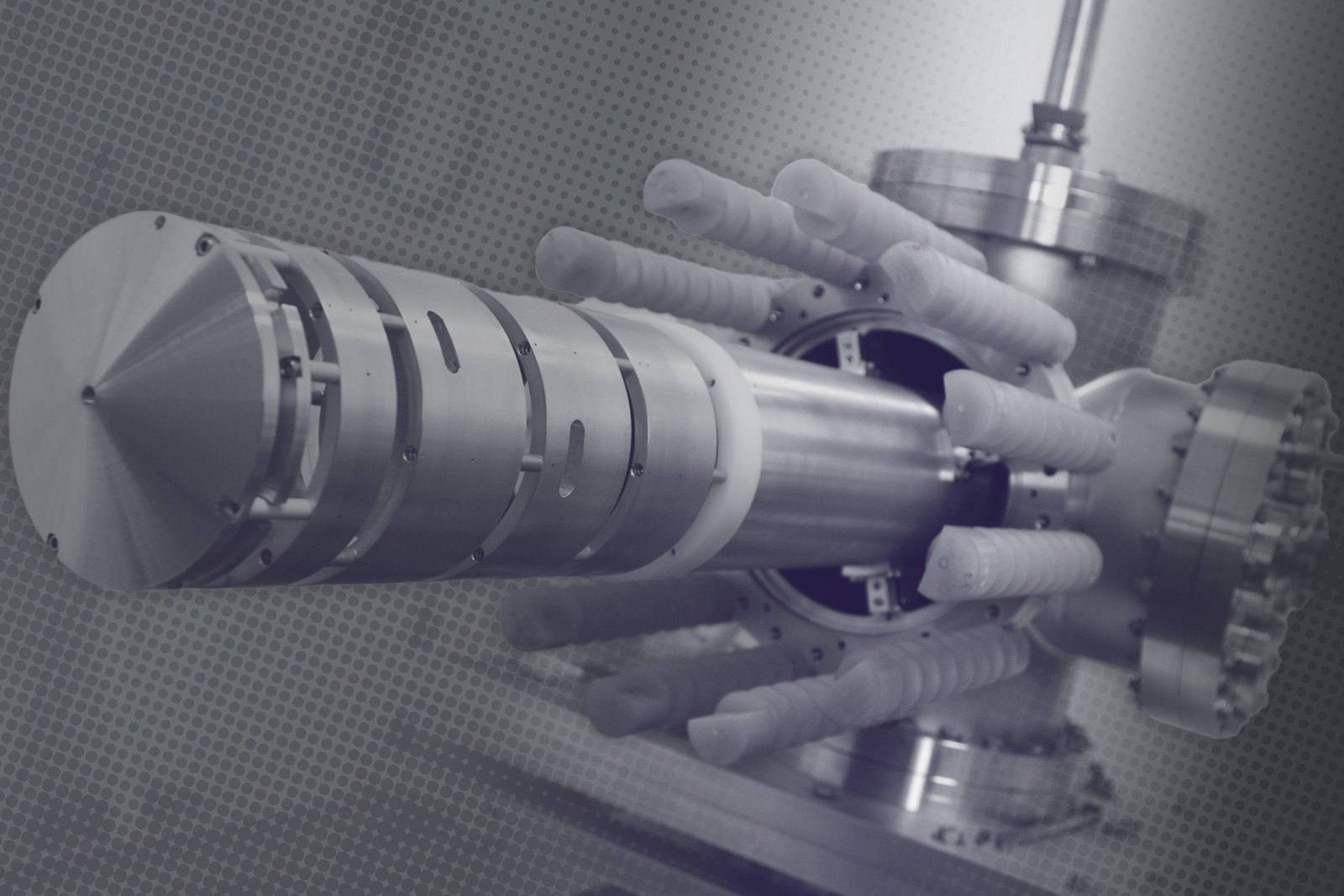



These radioactive substances are used in diagnostics, treatment, imaging, and industrial applications such as radiography, sterilization, and tracing. The increasing global demand, particularly in nuclear medicine, has necessitated the development of efficient and sustainable production methods.
Production of Radioisotopes
Radioisotopes are typically produced in nuclear reactors or particle accelerators. In reactors, target materials are bombarded with neutrons, which transform stable isotopes into radioactive ones. Cyclotrons, a type of particle accelerator, are also used to produce radioisotopes by bombarding target materials with protons or deuterons.
For example, iodine-131 is widely used in the treatment of thyroid cancer and is typically produced in reactors, while fluorine-18, used in PET scans, is produced in cyclotrons due to its very short half-life. Due to the radioactive nature of these materials, stringent safety standards and regulatory oversight are essential.
Radioisotope Supply Chain
The radioisotope supply chain is a complex network involving production, processing, packaging, transportation, and delivery to end-users such as hospitals, research labs, and industrial facilities. The supply chain must be tightly managed to prevent delays or interruptions, which can have significant consequences, particularly in medical applications where timing is critical.
Radioisotopes with short half-lives require rapid transportation and delivery to ensure their effectiveness upon arrival. Specialized logistics involving shielding, cooling systems, and secure handling protocols are required. In addition, international cooperation is often necessary due to the limited number of production facilities worldwide. Any disruption, such as reactor shutdowns or geopolitical tensions, can significantly affect the global availability of essential isotopes.
Another critical aspect of the supply chain is waste management. Once a radioisotope decays or is no longer useful, it must be safely disposed of according to strict environmental and safety guidelines. This adds further complexity and cost to the supply process.
Lu-177 Supplier in USA
Finding a reliable Lu-177 supplier in USA is essential for the successful rollout of these advanced treatments.
Several key companies serve as Lu-177 suppliers, offering either carrier-added or no-carrier-added Lu-177, depending on the clinical application. The latter is preferred for its higher purity and therapeutic efficiency. These suppliers typically have partnerships with nuclear reactors or advanced isotope production facilities and must adhere to FDA regulations and Good Manufacturing Practices (GMP) to ensure product quality and safety.
Conclusion:
Production is a critical component across various fields, particularly within the medical industry, where timely access to high-quality radioisotopes can mean the difference between life and death. With the increasing demand and technological advancements, ensuring a robust and reliable supply chain is more crucial than ever. Additionally, securing dependable sources, such as a trustworthy Lu-177 supplier, is vital for the success of emerging radiopharmaceutical therapies. As the world shifts toward more personalized and precise treatment methods, the importance of efficient and innovative radioisotope production will only continue to rise.