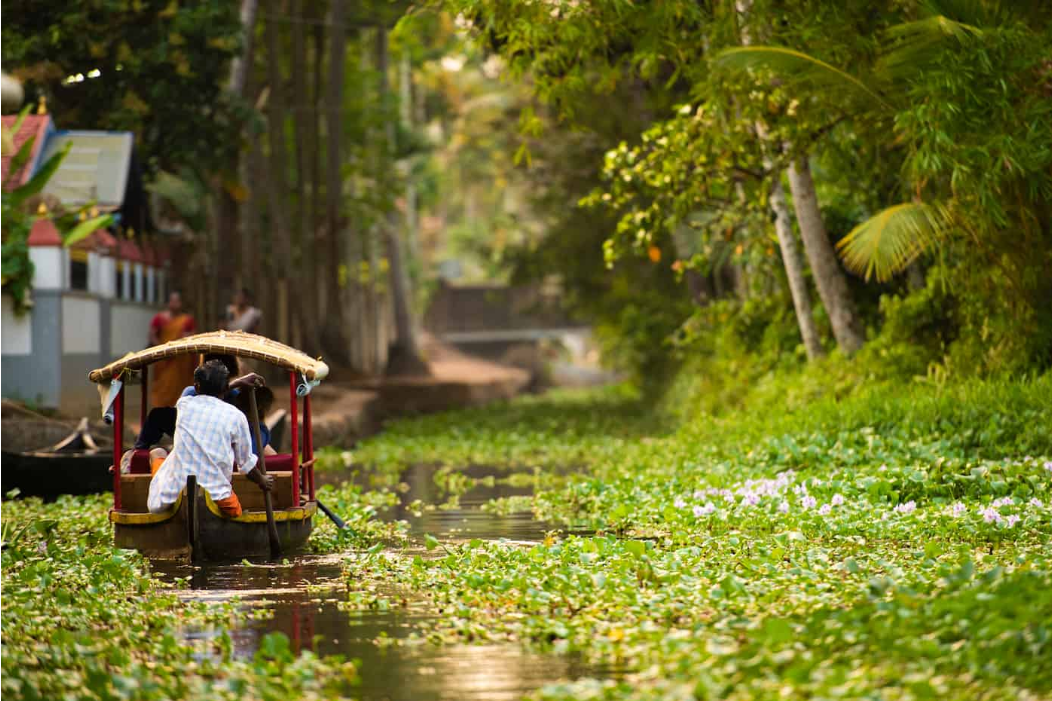



India has always been a traveler’s dream — a land of contrasts, colors, culture, and chaos. From the backwaters of Kerala to the snow-capped peaks of Ladakh, the country offers an unparalleled diversity of landscapes and experiences. But as India’s tourism industry continues to grow rapidly, a fundamental question is taking center stage: How can we continue exploring without harming the very places we fall in love with?
The answer is sustainability — and it’s not just a buzzword anymore. It’s the foundation of the future of travel in India.
The Rising Pressure on India’s Travel Hotspots
According to the Ministry of Tourism, India recorded over 1.7 billion domestic tourist visits in 2023 alone. While tourism fuels the economy and creates employment, it also places enormous strain on natural resources and fragile ecosystems. Popular destinations like Manali, Shimla, and Goa are already facing the consequences:
- Unregulated construction
- Waste management issues
- Water shortages during peak season
- Traffic congestion and pollution
- Cultural commodification and loss of authenticity
As more people chase the same ‘Instagrammable’ moments, India’s most beautiful places are at risk of being loved to death.
What Is Sustainable Travel — And Why Does It Matter?
Sustainable travel is not about saying no to travel. It is about changing how we travel. It encourages choices that minimize environmental impact, support local communities, and preserve cultural integrity.
This includes:
- Choosing eco-conscious accommodations
- Supporting local guides and businesses
- Reducing plastic usage and carbon footprint
- Respecting local customs and traditions
- Opting for slower, deeper, more meaningful travel experiences
The future of tourism in India will depend on how well we adopt this mindset — not only as travelers but also as service providers and communities.
India’s Shift Toward Sustainability: A Growing Movement
Thankfully, the shift is already happening. State tourism boards are waking up to the importance of sustainability. Sikkim, for example, has long banned plastic bottles and foam products in protected areas. Kerala is pushing community-based tourism that empowers local households to become micro-entrepreneurs. In Ladakh, responsible trekking initiatives now include carrying back one’s own waste. Moreover, travelers themselves are becoming more aware. In a 2024 survey by Booking.com, 78% of Indian travelers said they intended to make more sustainable choices in their future trips — even if it meant spending slightly more.
How Local Travel Startups Are Leading the Change
A new wave of responsible travel companies is emerging in India, offering offbeat and low-impact travel experiences that don’t just check boxes but create lasting impact. One such example is Encamp Adventures, a platform that curates immersive, sustainable experiences across India’s lesser-explored landscapes. From remote Himalayan camping to eco-conscious treks in the Northeast, their trips are designed to benefit local communities and reduce environmental degradation. Encamp’s approach is rooted in community collaboration. Instead of cookie-cutter itineraries, they work with locals to build authentic journeys where travelers engage meaningfully with nature and culture. Whether it’s a homestay hosted by a village family or a bamboo trail led by tribal youth, these experiences reflect what sustainable travel truly looks like on the ground.
Why Travelers Are Choosing Sustainable Experiences
There’s a clear shift in what modern travelers want. For many, sustainability is no longer just a "nice-to-have" feature — it’s a decision-making factor. Here’s why:
- Meaningful memories > material indulgence Travelers are opting for experiences that enrich them emotionally and culturally.
- Contribution, not consumption People want to give back to the places they visit, not just take from them.
- Well-being and nature connection Forest retreats, digital detoxes, and trekking are replacing mall-hopping and nightlife for a growing segment of travelers.
As a result, platforms and operators that prioritize environmental responsibility and community support are gaining long-term trust and loyalty.
Challenges on the Road Ahead
While momentum is building, there are still major challenges to address:
- Over-tourism in hotspots and under-tourism in hidden regions
- Lack of standardization for what qualifies as ‘sustainable’
- Greenwashing — companies falsely marketing themselves as eco-friendly
- Limited public infrastructure to support sustainable tourism in remote areas
Education, policy support, and cross-sector collaboration will be key to overcoming these hurdles.
How You Can Be a More Responsible Traveler in India
Sustainability begins with conscious choices. Here are a few small actions that create a big impact:
- Book with responsible travel operators
- Carry reusable water bottles and bags
- Say no to elephant rides or wildlife tourism that exploits animals
- Dress modestly and ask before photographing locals
- Offset your carbon emissions if flying long distances
- Choose experiences that are local-led, small-group, and eco-aligned
Conclusion
India’s natural beauty and cultural richness are among its greatest travel assets — but they are also deeply vulnerable to overuse and neglect. As travel continues to expand across the country, it is essential to focus on tourism that is not only enjoyable, but also ethical, inclusive, and environmentally responsible. The future of travel in India will not be defined by how far we go or how luxurious our experiences are. It will be shaped by how responsibly we choose to explore, how much we give back to local communities, and how well we preserve the places that inspire us. Whether you're a solo traveler, a family planner, or a tour operator, the opportunity lies in making choices that prioritize long-term sustainability over short-term gain. With growing awareness and better access to responsible travel resources, every journey can become a step toward a more conscious and connected world.