Have you recently been told you have low TSH (thyroid-stimulating hormone) levels? You might be feeling confused or even concerned. TSH plays a key role in regulating your thyroid, which in turn controls many of your body's most essential functions. So, when your TSH is low, it's understandable to wonder what that means and how you can manage the symptoms you're experiencing.
In this blog, we'll break it down.
What Does "Low TSH" Actually Mean?
TSH is a hormone produced by the pituitary gland. Its job is to tell your thyroid when to release its hormones—mainly T3 and T4. These thyroid hormones control many things in your body, like metabolism, body temperature, mood, and heart rate. If your TSH is low, it usually means your thyroid is overactive—a condition known as hyperthyroidism.
In hyperthyroidism, your thyroid produces too much hormone, which in turn tells your pituitary gland to "back off" on producing TSH. This results in TSH levels that fall below the normal range.
Sometimes, low TSH can also occur due to pituitary disorders or as a result of overmedication if you're being treated for hypothyroidism (underactive thyroid).
Common Symptoms of Low TSH
Everyone's experience is a little different, but here are some of the most common symptoms people with low TSH might notice: If you're experiencing any combination of these symptoms, it's worth discussing them with your healthcare provider—even if they seem unrelated.
Step By Step Guide to Manage Low TSH Symptoms
Here are some crucial steps you need to follow:
Step 1: Confirm the Root Cause
Before jumping into management strategies, the underlying cause of your low TSH needs to be identified. Some common causes include:
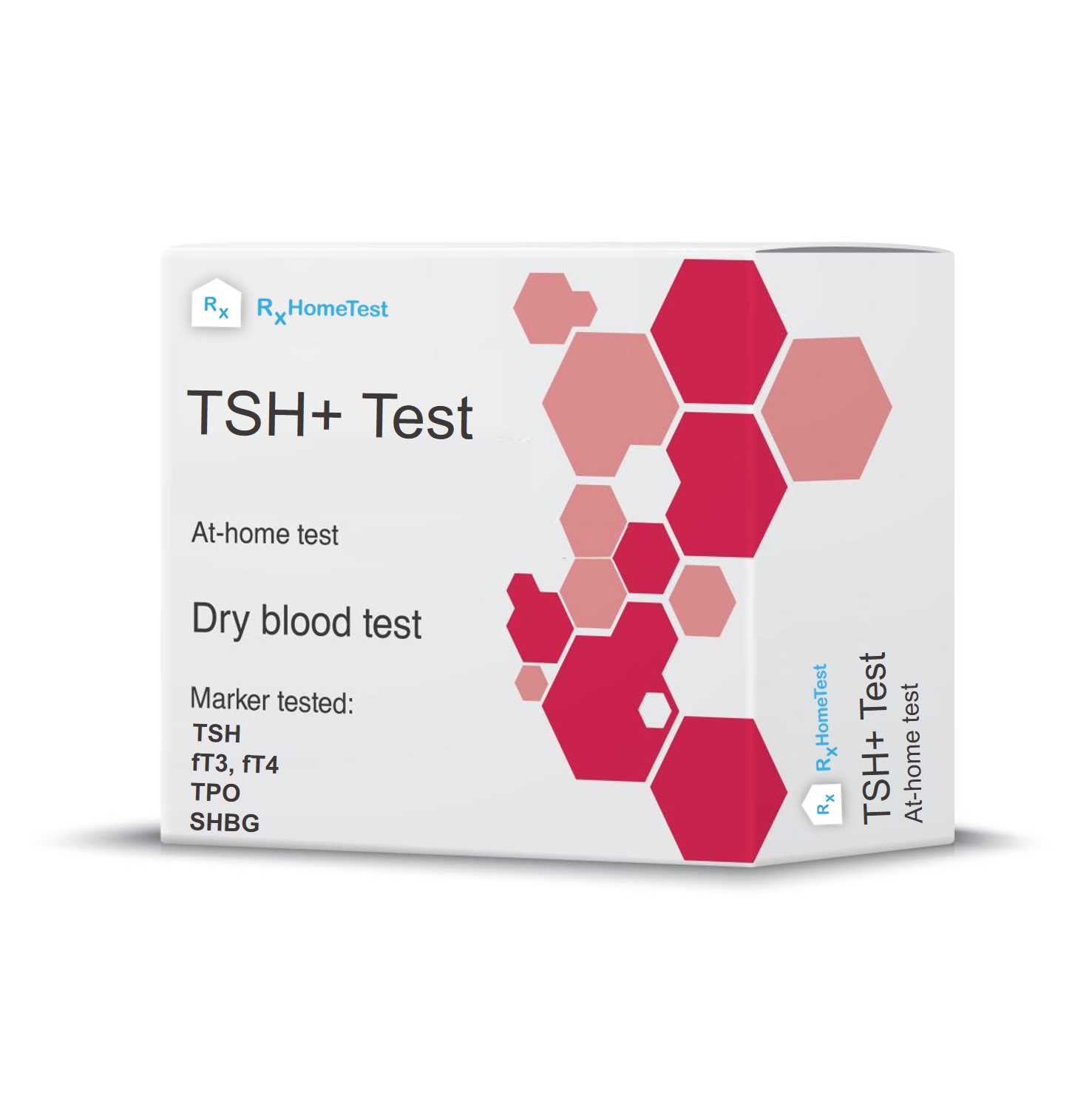
A full thyroid panel—including TSH, free T3, and free T4—along with a discussion of your symptoms and possibly imaging studies (like a thyroid ultrasound) can help pinpoint the exact cause. If you have a busy schedule or, for some reason, you can't take frequent lab or doctor visits, you can go for an at-home thyroid testing kit by RxHomeTest.
This test kit measures five essential markers: TSH, free T3, free T4, TPO antibodies, and SHBG—giving a complete picture of how your thyroid is functioning. It is easy to do with a simple finger prick sample sent directly from your home to CLIA-certified labs. It also offers physician-reviewed, easy-to-read, and accurate reports. You can order it from their official website.
Step 2: Follow Your Doctor's Treatment Plan
Once you confirm what's behind your low TSH after a good consultation with your doctor, it's time to follow the treatment plan. If your low TSH is linked to hyperthyroidism, your provider might suggest some anti thyroid medications and beta-blockers. If your thyroid is in a more serious condition like Graves' Disease, you may be asked to take radioactive iodine. In rare cases, surgery to remove part or all of the thyroid might be recommended.
If your low TSH is caused by overmedication, your dosage may simply need adjusting.
Step 3. Focus on Supportive Nutrition
Your diet can make a big difference in how you feel:
Your diet can make a big difference in how you feel: • Limit iodine intake if you have hyperthyroidism. High-iodine foods (like seaweed, iodized salt, and some seafood) can worsen the condition. • Eat balanced meals with lean proteins, fiber-rich vegetables, and healthy fats. • Supportive nutrients include: • Selenium (Brazil nuts, sunflower seeds) • Zinc (pumpkin seeds, whole grains) • Iron and Vitamin D (through food or supplements)
Stay hydrated, limit caffeine, and avoid stimulants if your heart rate is elevated.
Step 4: Do Exercise but In Moderation
Exercise can help improve mood, support heart health, and maintain muscle mass. But when your thyroid is overactive, intense workouts may worsen fatigue or increase heart rate too much. Aim for gentle to moderate activities like:
• Walking
• Yoga
• Swimming
• Light strength training
Step 5: Take Less Stress
Because anxiety, mood swings, and insomnia are common with low TSH, stress reduction is essential:
• Try mindfulness or meditation (apps like Headspace or Calm can help) • Practice deep breathing • Journaling or talking to a therapist can offer clarity and calm • Get regular sleep—ideally 7–9 hours a night
Step 6. Regular Monitoring
Even if you start to feel better, don't skip follow-ups. Thyroid function can shift over time, and regular monitoring helps ensure your treatment stays on track. Be sure to report any new or worsening symptoms, especially if you're already on thyroid medication.
Remember: You don't have to go into a clinic every time you need to check in. Tools like the comprehensive thyroid test by RxHomeTest make it easier than ever to track your levels from home.

When to Seek Medical Attention
Certain symptoms of low TSH can become serious if left unmanaged. Contact your healthcare provider immediately if you experience: These can be signs that your thyroid levels are too far out of balance and need urgent adjustment.
The Takeaway
Managing low TSH is all about awareness, balance, and personalized care. With the right combination of testing, medical support, and necessary lifestyle changes, you can absolutely manage your symptoms and regain control of how you feel. Talk with your healthcare provider, ask questions, and be proactive. If you found this blog helpful, share it with your friends who need to read this. Also, don't forget to share your story about how you are managing your symptoms currently. All the best!

If you require further assistance for How do I speak to someone at Google UK then you can call directly on their support number to get the immediate feedback or assistance, or else you can ask your friend, colleagues, or others to sort every type of query related to use the Google chat.