Natural goat milk soap has surged in popularity. Around 28% of men and more than 22% of women in the U.S. now prefer using organic skincare products (source).

As a result, consumers are more cautious and look closely at labels to avoid fake or low-quality options. People want truly natural goat milk soap. Understanding key ingredients, ethical sourcing, and label honesty is more important than ever.
This article will help you spot genuine all-natural goat milk soap in a marketplace crowded with imitations, and more.
What to Look for in Authentic Natural Goat Milk Soap?
1. Check for Fresh Goat Milk as the First Ingredient
True natural goat milk soap uses fresh, raw goat milk—not powdered or synthetic versions. Always check the ingredient list. If fresh goat milk is listed first, that’s a great sign.
Some brands use the term “goat milk infused,” which can mean very little actual milk is present. Real goat milk offers vitamins A, D, and E that nourish skin, especially for people with dryness, eczema, or irritation.
2.Look for Natural Oils, Not Chemical Detergents
Authentic goat milk soap includes skin-loving oils like olive oil, coconut oil, and shea butter. These provide hydration and help maintain your skin’s moisture barrier.
Avoid soaps that use ingredients like sodium lauryl sulfate or synthetic cleansers—they may strip your skin’s natural oils. Natural oils make the soap creamy, gentle, and suitable for daily use. Real ingredients should be easy to pronounce and recognizable to most people.
3.Smell the Soap—Essential Oils vs. Fragrance Oils
Natural goat milk soaps are scented with essential oils like lavender, peppermint, or rosemary. These are plant-based and provide mild, calming fragrances. Many imitations use artificial fragrance oils, which can be harsh and may trigger skin allergies.
If the scent is overpowering or smells “chemical,” it’s likely not natural. Essential oils also provide aromatherapy benefits that support a relaxing, spa-like skincare routine.
4.Read the Full Ingredient Label Carefully
Reading the full list of ingredients is key. Watch for red flags like parabens, phthalates, artificial dyes, or added preservatives. These are not found in true goat milk soap.
Instead, a real soap bar will have a short, simple ingredient list—goat milk, plant oils, essential oils, and lye (a safe, necessary soap-making component). Avoid vague terms like “fragrance” or “colorant” without clarification.
5.Understand Common Misleading Marketing Terms
Words like “natural,” “pure,” or “organic” are often used for marketing but don’t always mean the product is truly natural. Some soaps use powdered goat milk with synthetic fillers, yet still call themselves goat milk soap.
Others may contain only a small amount of goat milk extract. Look for transparency from the brand. Trust those who clearly explain their ingredients and sourcing process without hiding behind buzzwords.
6.Check for Certifications Like Leaping Bunny or USDA Organic
Credible brands often back up their claims with certifications. For example, the Leaping Bunny logo confirms the product is cruelty-free. USDA Organic shows that ingredients meet strict organic standards.
Other signs include Non-GMO, biodegradable packaging, and handmade or small-batch labels. Certifications are a way to identify a company that takes product integrity seriously. These also show the brand’s commitment to ethical and sustainable practices.
7.Examine the Soap’s Appearance and Texture
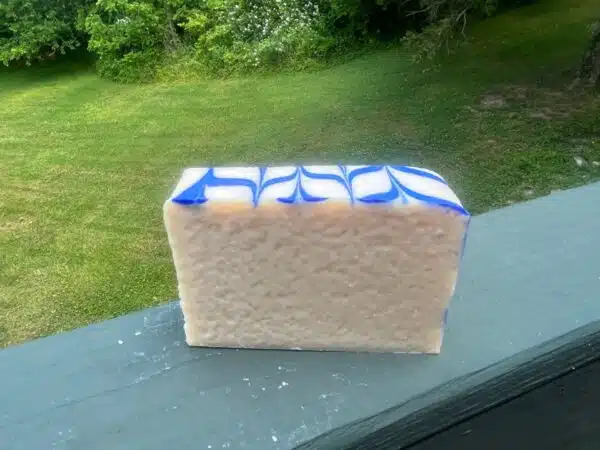
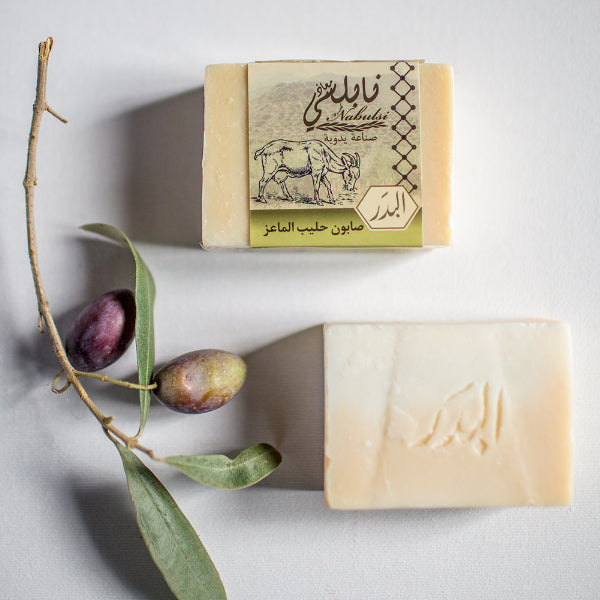
Real, natural goat milk soap has a soft, creamy texture and sometimes a slightly uneven look, which is normal for handmade products. It may be off-white, beige, or have natural swirls.
Goat milk itself contains about 3.3% protein, 4% fat, and 12.6% total solids, which contribute to the rich, nourishing feel of the soap (source).
In contrast, fake or mass-produced soaps look overly polished, brightly colored, or too uniform. If it looks too smooth or neon-colored, it likely contains artificial dyes and may not be truly natural.
8.Research the Brand’s Reputation and Story
Authentic soap makers are usually proud of their story. Many come from small farms or family businesses that raise goats ethically and make soap in small batches. Visit the brand’s website—do they share how the soap is made? Are there customer reviews or testimonials? Look for social proof from real users.
What Are the Key Ingredients in Real Natural Goat Milk Soap?
- Fresh goat milk delivers vitamins A, D, and E, plus natural fats and enzymes.
- Natural oils like coconut, olive, and shea butter hydrate and soften skin.
- Essential oils offer gentle fragrance and therapeutic benefits—no artificial scents.
- Free from harsh chemicals, such as sulfates, parabens, and phthalates.
- Transparent ingredient labels detail what's inside—real goat milk soap shows all components.
Why Imitation Goat Milk Soaps Can Be Misleading and Harmful
- Terms like “goat milk infused” may hide synthetic bases.
- Powdered milk substitutes lack the moisturizing and nourishing properties of fresh goat milk.
- Artificial colors or preservatives can irritate sensitive skin.
- Some additives may cause allergic reactions or skin flare-ups.
- Fake products often lack cruelty-free or eco-certifications, misleading health-conscious buyers.
How to Verify a Soap Brand’s Authenticity and Ethical Claims
- Check the brand’s ingredient sourcing and whether they use small-batch production.
- Look for certifications like Leaping Bunny, USDA Organic, or Non-GMO.
- Read customer reviews and trusted endorsements—see if real users report benefits.
- Check if packaging is eco-friendly—biodegradable, recyclable, minimal waste.
Wrap Up
Choosing authentic goat milk soap matters for your skin’s health and peace of mind. Genuine products contain fresh goat milk, nourishing oils, and no artificial ingredients—unlike cheap imitations.
When you look for clean labels, reputable sourcing, and ethical quality, you make a smarter, safer decision. Opting for natural goat milk soap supports small-batch artisans and ensures skin-loving care.
Are you ready for genuine quality? Visit Honey Sweetie Acres to explore their small-batch, certifiably natural goat milk soap collection today!