


Remote identity proofing is becoming essential, especially for industries like healthcare and finance. It’s all about confirming someone’s identity using tools like biometrics, facial recognition, and document verification.
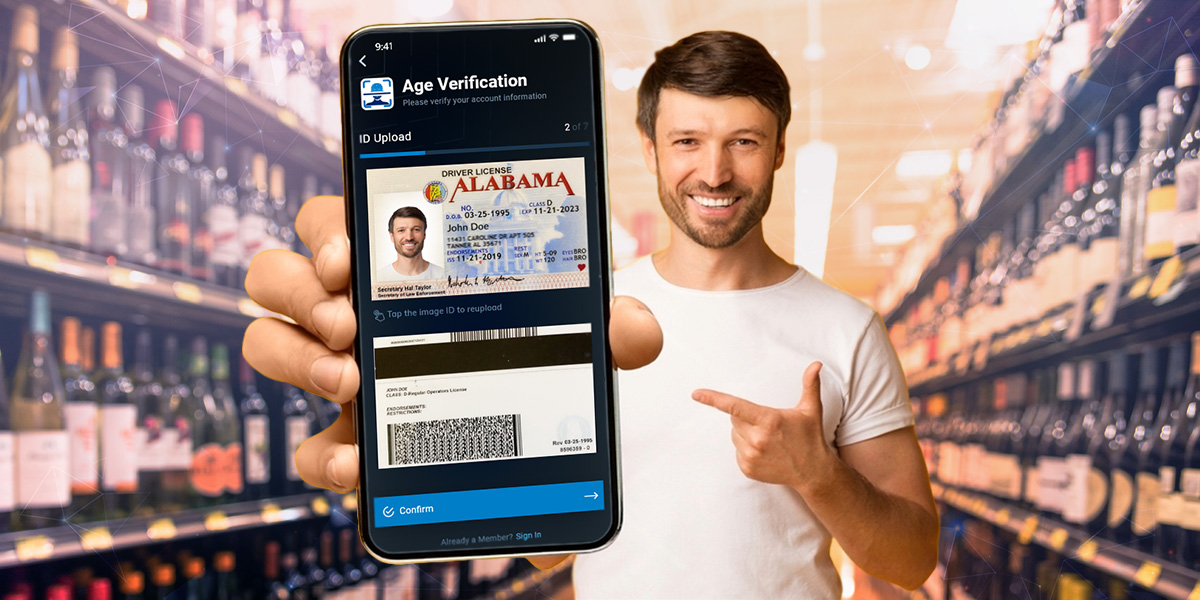
Here’s how it works: individuals share details such as their name, date of birth, and a government ID. This information is securely matched against trusted databases to verify their identity.
Why the demand? With digital transformation accelerating, businesses face rising fraud risks, more advanced forgeries, deepfakes, and identity theft – not to mention strict regulations like Know Your Customer (KYC) and Anti-Money Laundering (AML). Organizations need robust, scalable solutions to keep up with these challenges while maintaining trust and efficiency.
Beyond security, remote identity proofing streamlines onboarding, builds confidence, and minimizes fraud risks. However, implementing it isn’t without hurdles, from combating fake identities to navigating complex regulations. This blog explores why remote identity proofing matters, the top challenges businesses face, and smart ways to tackle them.
Significance of Remote Identity Proofing for the following industries
As digital transformation accelerates across the globe, remote identity-proofing has become a cornerstone of secure and seamless user onboarding. It enables businesses to verify customers' identities, employees' identities, or partners without requiring physical presence, driving both convenience and security in an increasingly online-first world.
1.Banking: Remote identity proofing is important for KYC and AML compliance. It helps financial institutions to verify the identity of new customers and existing clients. It includes verifying document authenticity, using biometric authentication, and cross-referencing data with official databases. It prevents fraudulent transactions and financial crimes.
2.Healthcare: Remote identity proofing helps access patient data, verify telemedicine providers, and prevent insurance claim fraud and prescription drug diversion. It ensures that patients and providers are who they say they are, protecting sensitive patient information and maintaining trust.
3.Fintech: Remote ID proofing helps onboard new users, verify their identities for transactions, and prevent fraud in online payments and lending. It includes remotely verifying documents, using facial recognition, and analyzing user behavior.
4.Ecommerce: The remote identity proofing process helps verify the identity of online shoppers, prevent fraudulent purchases, and reduce returns and chargebacks. It also ensures that the person placing an order is the rightful owner of the payment information and the delivery address.
The growing demand for identity proofing solutions is driven by rapid digital transformation, as more services are shifting to the online space. This shift increases exposure to fraud risks, making secure identity verification critical.
Regulatory compliance requirements like KYC and AML further fuel the need for robust remote identity solutions. As a result, organizations are investing in advanced technologies to ensure trust, security, and seamless user experience.
Let us discuss the top 5 challenges of remote identity proofing and how to deal with them:
1. Document Fraud and Forgery
Problem: Remote identity systems often face threats from fake or stolen IDs, synthetic identities, and impersonation attacks. These tactics enable fraudsters to bypass verification, causing financial and reputational damage.
Solution: AI-powered document verification helps detect inconsistencies in ID documents with high accuracy. Liveness detection ensures the person verifying is physically present, preventing spoofing. Biometric authentication adds another layer by matching facial features or fingerprints to validate identities.
2.Compliance with KYC/AML Regulations
Problem: Businesses should navigate diverse and evolving KYC/AML regulations across different regions. It is important to ensure compliance while maintaining a smooth user experience. This proves challenging and resource-intensive.
Solution: Automated KYC solutions with real-time regulatory updates help streamline compliance. Regular audits ensure systems stay up to date. Collaborating with regulated identity providers reduces legal and operational risks.
3.Poor User Experience and High Drop-off Rates
Problem: Users may abandon the onboarding process if the identity verification steps are too long, complicated, or not mobile-friendly. Slow verification times and technical glitches complicate this issue for less tech-savvy users or those in low-connectivity regions.
Solution: Streamlining the process with minimum steps and a responsive mobile design boosts the completion rate. Real-time feedback helps users correct errors instantly, improving success on the first try. Making the process accessible across languages and devices ensures a broader user base can complete it successfully.
4.Scalability and Integration Issues
Problem: The high volume of users during peak periods can overwhelm identity systems. Moreover, integrating verification tools with existing infrastructure like customer relationship management (CRM) systems or banking platforms can prove expensive and technically complex. This is challenging, especially for smaller organizations with limited IT resources.
Solution: Cloud-based identity verification systems offer the flexibility to scale up or down based on demand. Application programming interfaces (APIs) enable smooth integration with current platforms, reducing development time. Pay-as-you-go or tiered pricing models make implementation feasible even for small and mid-sized businesses.
5.Cross-Border Verification Challenges
Problem: Verifying users from different countries is complex due to varying ID formats, languages, and regulatory restrictions on data usage. Optical character recognition (OCR) tools may fail to interpret non-Latin scripts, and legal barriers can prevent data transfer across borders.
Solution: Use a global ID database that recognizes various national ID types and formats. Implement multilingual OCR to process documents in multiple languages accurately. Collaborate with local compliance experts to navigate legal constraints and ensure regional data laws are respected.
Wrapping Up
Remote identity proofing presents challenges like document fraud and forgery, which threaten the integrity of onboarding processes. Navigating compliance with evolving KYC/AML regulations requires constant updates and monitoring. Poor user experiences lead to high drop-off rates, impacting trust and conversion. Scalability and integration issues complicate implementation for rapidly growing organizations or those using legacy systems. Lastly, cross-border verification poses unique problems due to variations in ID formats, languages, and regulatory standards.




If you are looking for Top Identity and Access Management Solutions then today reach to Zohno, which reduce your work load and maintenance pressure.