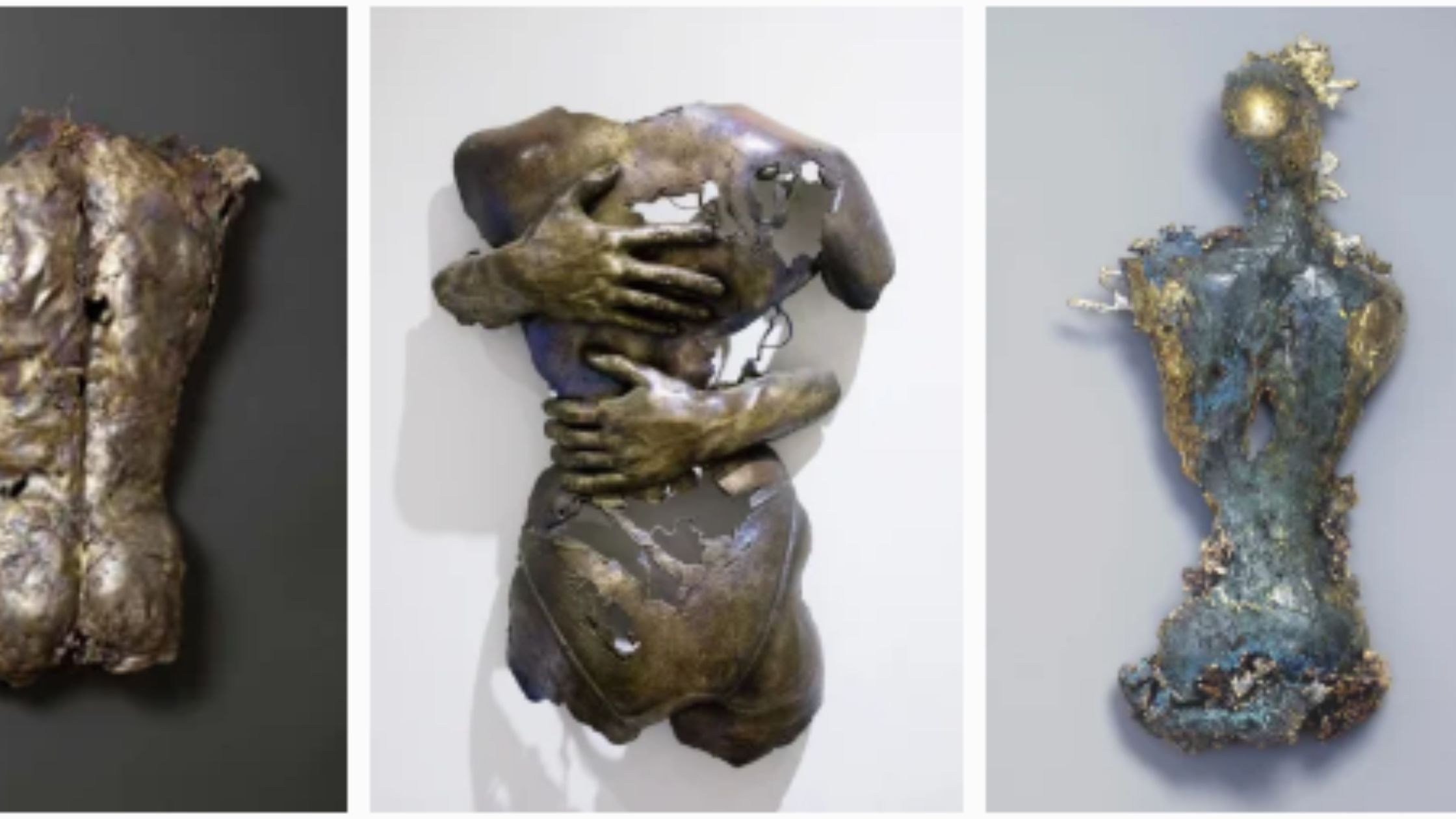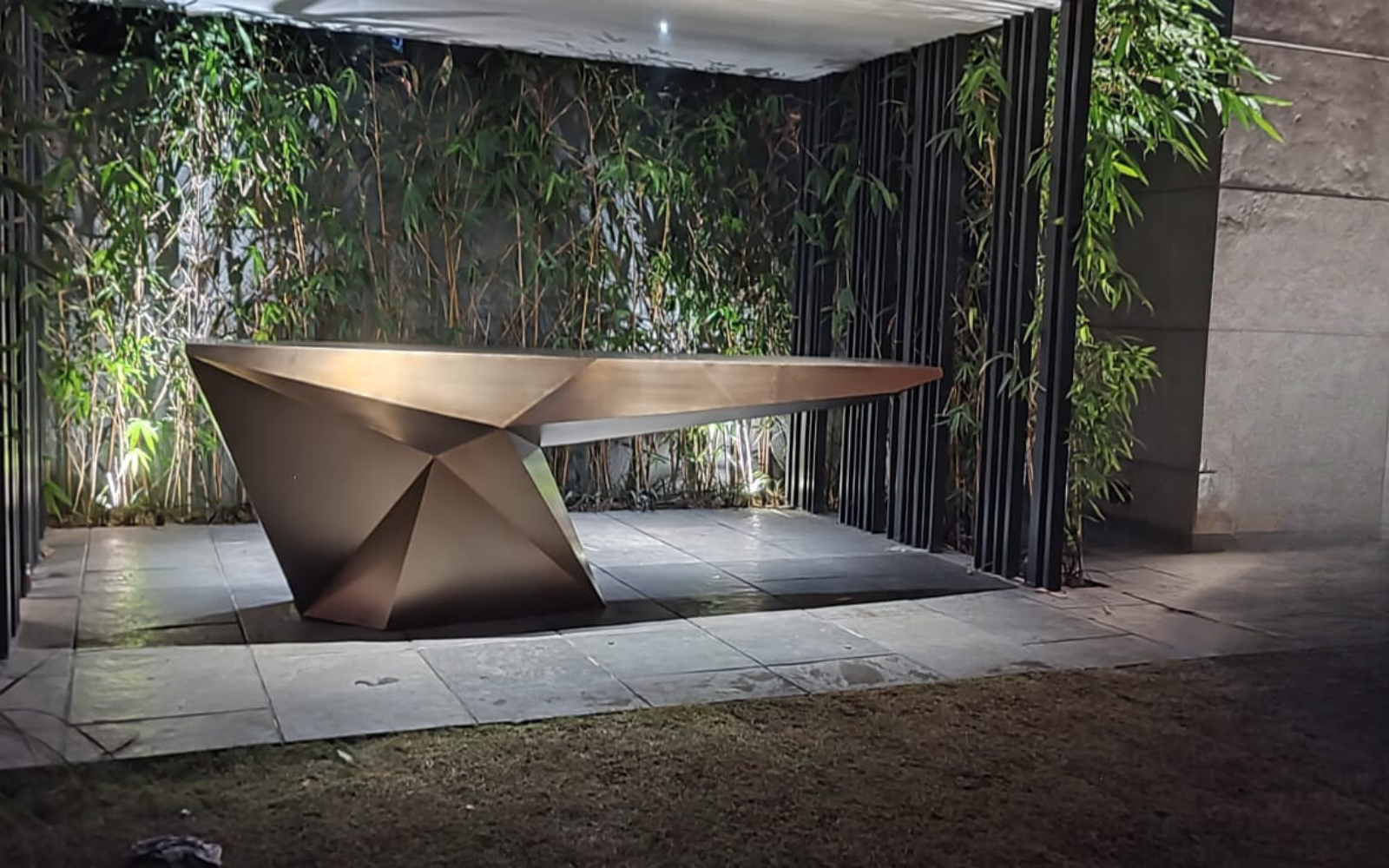
For centuries, sculpture was shaped entirely by hand — carved in stone, forged in fire, modeled in clay. Today, a new generation of sculptors is merging traditional artistry with digital technology, and the results are redefining what’s possible.
At FormForge, we call this approach digital craftsmanship. It’s where tools like Rhino, Grasshopper, and Blender become extensions of the sculptor’s vision — not replacing the hand, but amplifying it.
What Is Digital Craftsmanship?
Digital craftsmanship isn’t about automation — it’s about precision-guided creativity. We begin each sculpture with a concept: a narrative, a mood, a spatial intent. That’s then translated into 3D form using parametric design — geometry defined by rules and relationships.
Using Grasshopper, we might script how a surface responds to sunlight, how it folds, or how it twists based on user flow. These scripts generate complex forms — some symmetrical, others organic, all intentional.
Once modeled, we extract fabrication-ready data:
This means every FormForge sculpture — whether a twisting bench or a monolithic entry icon — is both expressive and efficient.
Real Examples
We recently built a corten steel wall piece inspired by facial geometry, generated using mesh decimation and contour logic. Another project — a parametric archway — was shaped by mathematical sine waves and optimized for a windy site using panel unrolling.
These are not just digital experiments — they are installed, physical works, now part of city spaces and private residences.
Read More About Our Process
🛠️ We’ve documented one such stainless steel project here: 👉 https://formforge.com/blog/stainless-steel-sculpture
And you can explore our full portfolio: 👉 https://formforge.com
Author: Abhinav Goyal is the founder of FormForge — a sculpture and design studio focused on material storytelling, digital design, and public art across India and beyond.
We mostly get overwhelmed with the creativity and combining creative ideas with business purposes is something of a power-pack.
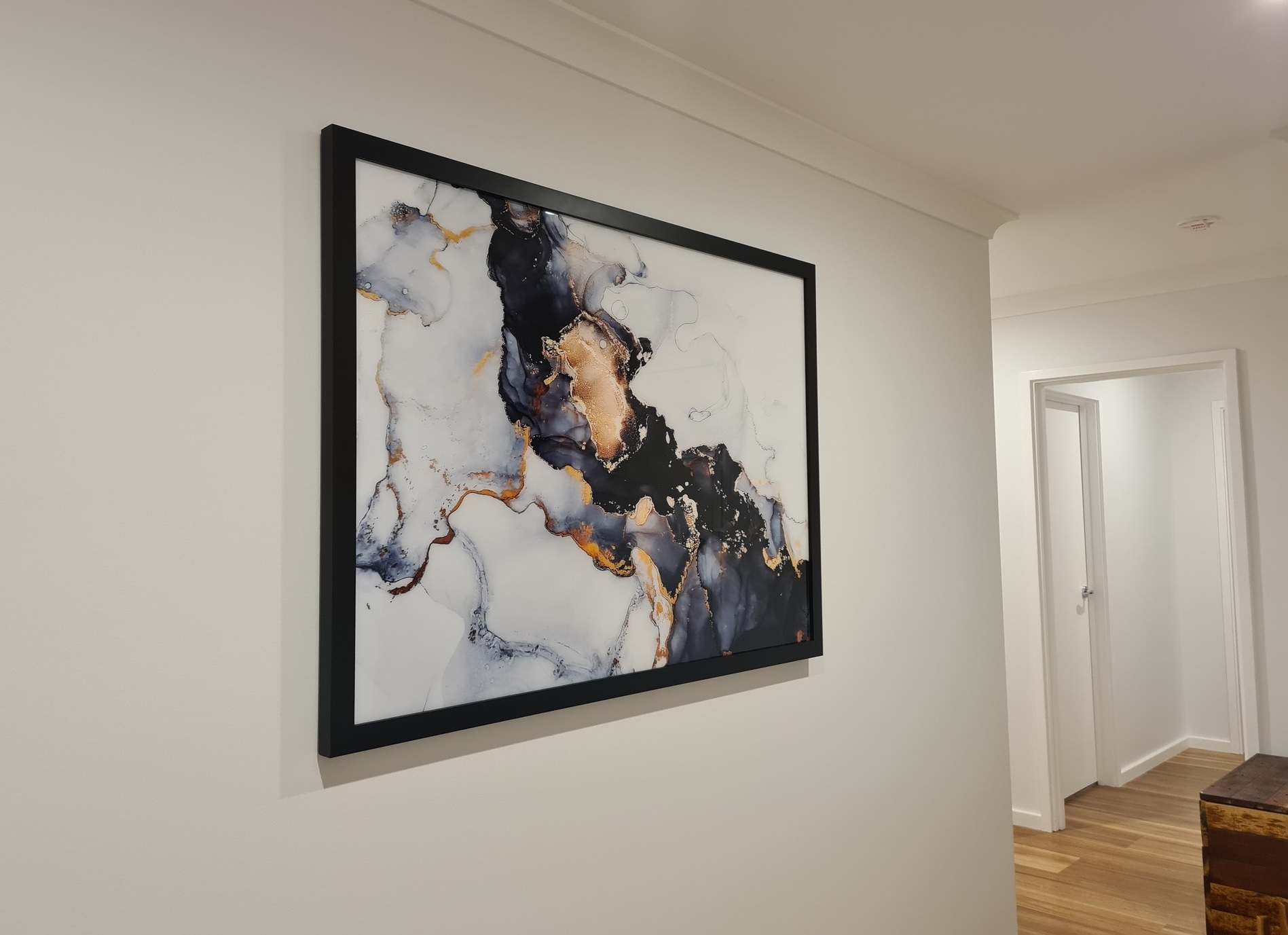
An idea of abstract artwork is perfectly fine if you plan to promote your business or entice clients to your business.
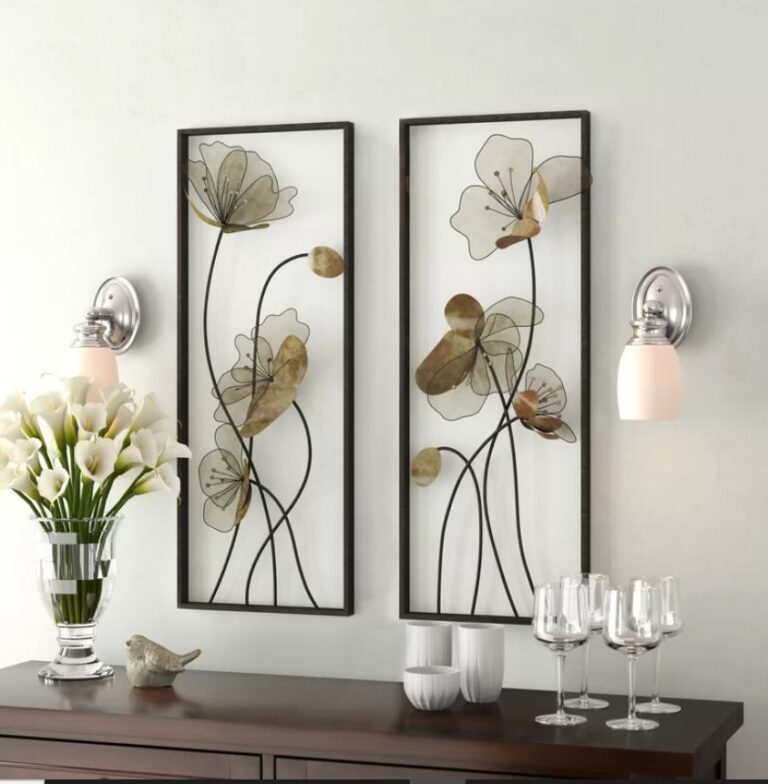
This guide has everything that you need to include on how to choose any art wall pieces that will bring out a perfect interior.– Colour paletteIt is so important to select a colour palette but the designing of the interior is quite a daunting process.
It will become difficult to sort various options into colours that perfectly fit into your vision.
The best advice you can consider is to leave the paint chips at their place and focus on the wall art that works superbly excellent for your business.
It can also give an extra touch to the space from simply-looking functional to representing the business as it should highlight the interior design.