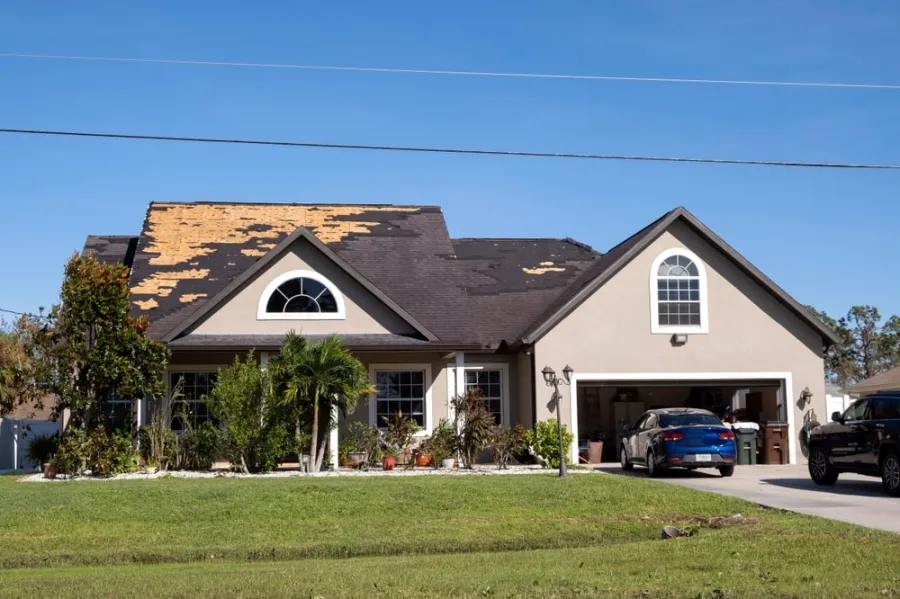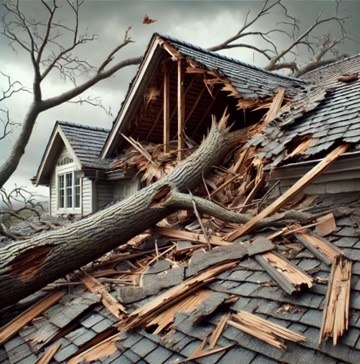
A major storm just passed. The wind howled all night. In the morning, you notice shingles on your lawn. Your roof might be damaged. What now?
Most homeowners worry about the cost of roof repairs. This is where your home insurance comes in. But filing a claim can be tricky if you don’t understand how the process works. In this blog, we’ll explain how insurance claims for roof damage are evaluated. You'll also learn what steps to take after a storm, and how to work with your insurance provider.
First Things First: Safety and Assessment
After the storm clears, the first step is safety. Avoid climbing on the roof yourself. There could be hidden damage or unstable areas. Instead, walk around your home from a safe distance. Take pictures of any debris, broken shingles, or obvious damage. Document the date and time. This will help when filing your insurance claim.
Know What Your Policy Covers
Before filing, review your homeowner’s insurance policy. Most policies cover storm-related roof damage. However, the coverage depends on the type of damage and the cause. Wind and hail are usually covered. Age-related wear and tear is not. If your roof was already in poor condition, your claim might be denied or reduced. That’s why it’s important to maintain your roof regularly.
The Insurance Claim Roof Damage Wind Process
If the storm was severe, many homeowners in your area may also be filing claims. Act quickly. Here’s a simple breakdown of how the process works:
1. Notify Your Insurance Company: Call or file a claim online. Be honest and give basic details about the damage.
2. Schedule an Inspection: The insurance company will send an adjuster. Their job is to inspect the roof and estimate the cost of repairs or replacement.
3. Independent Inspection: It’s smart to get a second opinion from a trusted roofing contractor. This ensures nothing is missed.
4. Receive the Estimate: After the inspection, the insurance company will provide a repair estimate. This may include a replacement value or a depreciated value, depending on your policy.
5. Approve the Work: Once approved, you can hire a contractor to complete the repairs.
6. Final Inspection and Payment: Some insurers issue payment in stages. Once the work is done, a final inspection may be required before releasing full payment.
Factors That Affect Your Roof Claim
Insurance adjusters consider several factors when evaluating claims. Here are some of the most common:
• Type of Damage: Was it caused by wind, hail, or a falling tree?
• Age of the Roof: Older roofs may be reimbursed at a lower value.
• Roofing Material: Asphalt shingles, metal, tile, and other materials age differently.
• Maintenance History: Well-maintained roofs are more likely to be fully covered.
These variables influence how much of the repair cost your insurance will cover.
What You Should Do Immediately After a Storm
Taking action quickly helps protect your home and supports your claim.
• Tarp the Roof if Needed: A temporary cover can prevent further damage.
• Take Clear Photos: Visual proof is key for your insurance company.
• Call a Local Roofing Professional: Their report can be valuable during the claims process.
• Avoid Storm Chasers: Some contractors follow storms and may not be licensed or reliable. Trust is critical during a time like this.
Understanding the Roof Insurance Claim Process in TX
Texas is no stranger to high winds and hailstorms. The roof insurance claim process in TX is much like in other states—but there are a few state-specific things to know:
• Deductibles Can Vary: In Texas, some policies include separate deductibles for wind and hail.
• Regulations Are Strict: Contractors must meet certain licensing and insurance standards.
• ACV vs. RCV Policies: Actual Cash Value (ACV) pays less than Replacement Cost Value (RCV). Know which one your policy includes. If you’re not sure, contact your insurance agent. They can explain your policy details.
Why Choose Professional Help?
Filing an insurance claim is a big job. It involves inspections, paperwork, and negotiations. A roofing contractor who understands the process can make it much easier. Professionals can:
• Spot Hidden Damage: Insurance adjusters may miss things.
• Speak the Language: Contractors know how to communicate with insurers.
• Help With Paperwork: They can assist with forms and documentation.
• Ensure Proper Repairs: They make sure the job meets code and quality standards. When you have someone on your side, the process becomes less stressful.
Houston’s Preferred Roofers: Trusted Experts for Storm Damage Claims
If you’re in the Houston area, Houston’s Preferred Roofers can help. They are experienced in handling insurance claim roof damage wind issues. Their team works directly with insurance companies to make sure homeowners get fair treatment. They offer:
• Fast inspections after storms
• Help documenting damage for claims
• Honest advice on repair vs. replacement
• High-quality materials and skilled workers They’re known for reliability, transparency, and excellent customer service. If you're unsure about your roof after a storm, they can guide you through the process with confidence.
Conclusion
Storms can leave lasting damage. Your roof is one of the most important parts of your home. If you suspect damage, don’t wait. Start by documenting the issue, checking your policy, and contacting your insurer. Bring in a trusted roofing professional to help. Understanding how insurance claims are evaluated helps you get the coverage you deserve. And with the right support, like Houston’s Preferred Roofers, the process doesn’t have to be overwhelming. Protect your home. Protect your investment. Start the process today—before the next storm hits.