Sustainable Office Design: Paving the Way for Eco-Friendly Workspaces
As businesses worldwide grapple with the challenges of climate change and environmental sustainability, the concept of sustainable office design has taken center stage. Modern office spaces are increasingly being reimagined to minimize their environmental footprint while promoting a healthier work environment. This shift is not only a response to growing regulatory pressures but also a reflection of the changing values of the workforce, which increasingly prioritizes sustainability.
The integration of green building materials is a cornerstone of sustainable office design. Architects and designers are opting for materials that are both durable and eco-friendly. Recycled steel, bamboo, and reclaimed wood are becoming popular choices, offering the dual benefits of sustainability and aesthetic appeal. Additionally, low-VOC (volatile organic compounds) paints and finishes are being used to improve indoor air quality, ensuring a healthier workspace for employees.
Energy efficiency is another critical aspect of sustainable office design. The incorporation of energy-efficient lighting systems, such as LED lights, and the use of smart sensors to control lighting and HVAC systems can significantly reduce energy consumption. Furthermore, the implementation of renewable energy sources, such as solar panels, is becoming more common, enabling offices to generate their own clean energy and reduce reliance on fossil fuels.
Water conservation measures are also integral to sustainable office design. Low-flow fixtures, rainwater harvesting systems, and the use of native landscaping that requires minimal irrigation are some of the strategies being employed to reduce water usage. These initiatives not only contribute to environmental conservation but also result in cost savings for businesses in the long run.
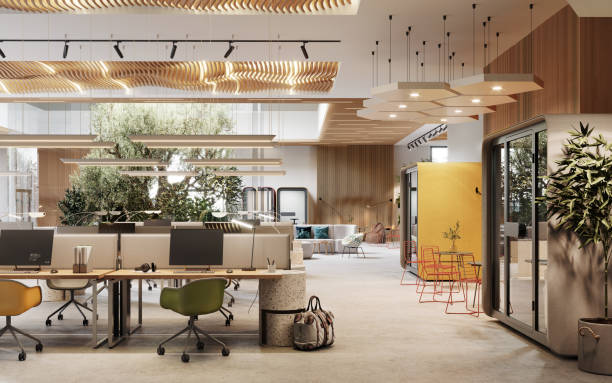
Sustainable office design goes beyond the physical structure of the building. It encompasses creating a work environment that promotes the well-being of employees. Biophilic design, which integrates natural elements like plants and natural light into the workspace, has been shown to enhance employee productivity and satisfaction. Additionally, providing spaces for physical activity, such as gyms or yoga rooms, and promoting mental health through quiet zones or meditation rooms are becoming standard practices in sustainable office design.
Moreover, the concept of a circular economy is gaining traction in sustainable office design. This involves designing spaces with the end-of-life of materials in mind, ensuring that they can be reused or recycled rather than ending up in landfills. This approach not only reduces waste but also encourages innovation in material use and office design.
In addition, sustainable office design is increasingly incorporating wellness certifications such as WELL and Fitwel. These certifications focus on enhancing the health and well-being of building occupants through design and operational strategies. By achieving these certifications, companies demonstrate their commitment to creating a healthy and sustainable work environment, which can also serve as a powerful tool for attracting and retaining talent.
Smart Office Technology: Revolutionizing the Workplace Experience
The advent of smart office technology is transforming how we interact with our workspaces. In a post-remote work world, where flexibility and efficiency are paramount, smart technology offers solutions that cater to the evolving needs of the modern workforce. These technologies not only enhance productivity but also create a more personalized and responsive work environment.
One of the primary applications of smart office technology is in optimizing space utilization. With the help of sensors and IoT devices, businesses can track how different areas of the office are being used and adjust layouts accordingly. This data-driven approach ensures that office spaces are utilized efficiently, reducing waste and improving the overall work environment.
Smart office technology also plays a crucial role in enhancing communication and collaboration. Advanced video conferencing systems, digital whiteboards, and collaborative software platforms facilitate seamless interaction between in-office and remote employees. This integration ensures that teams can work together effectively, regardless of their physical location, fostering a culture of inclusivity and collaboration.
Another significant advantage of smart office technology is its ability to improve energy management. Smart thermostats and lighting systems can automatically adjust settings based on occupancy and time of day, optimizing energy use and reducing costs. Moreover, smart meters provide real-time data on energy consumption, enabling businesses to identify inefficiencies and implement corrective measures.
Security is another area where smart office technology is making a substantial impact. Advanced access control systems, biometric authentication, and AI-powered surveillance systems enhance the security of office spaces, protecting both physical and digital assets. These technologies provide peace of mind to businesses, ensuring that sensitive information and valuable resources are safeguarded.
Furthermore, smart office technology is enhancing the employee experience by offering personalized work environments. From adjustable lighting and temperature settings to customizable workstations, employees can tailor their surroundings to suit their preferences, leading to increased comfort and productivity.
In addition, smart office technology is playing a pivotal role in health and safety management. With the ongoing concerns about health in the workplace, particularly in the wake of the COVID-19 pandemic, smart technology solutions such as touchless entry systems, air quality monitors, and automated cleaning robots are becoming essential components of modern office spaces. These technologies help maintain a safe and hygienic work environment, giving employees confidence in their workplace's health standards.
Collaborative Office Design: Fostering Innovation and Teamwork
In the wake of remote work trends, the role of the office has evolved from a place of individual tasks to a hub of collaboration and innovation. Collaborative office design is at the forefront of this transformation, creating spaces that encourage teamwork, creativity, and interaction among employees.
Open-plan layouts are a hallmark of collaborative office design. By removing physical barriers, these layouts facilitate communication and collaboration, allowing employees to easily share ideas and work together. However, it's essential to balance openness with the need for privacy. Incorporating flexible partitions, soundproof pods, and quiet zones ensures that employees have access to spaces where they can focus on individual tasks when needed.
Another key element of collaborative office design is the creation of multipurpose spaces. These areas can be easily reconfigured to accommodate different activities, such as meetings, brainstorming sessions, or social gatherings. Movable furniture and modular designs allow for quick adaptation, ensuring that the office space can meet the diverse needs of the workforce.
Technology integration is also crucial in collaborative office design. Interactive displays, digital collaboration tools, and wireless connectivity enable teams to work together efficiently, regardless of whether they are in the same room or collaborating remotely. These technologies bridge the gap between in-person and virtual interactions, fostering a cohesive and inclusive work environment.
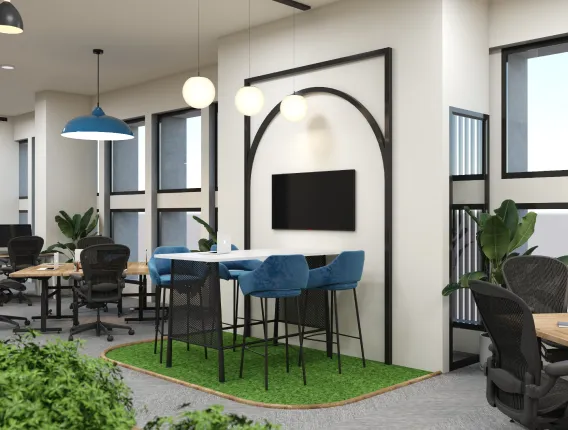
Moreover, collaborative office design emphasizes the importance of community and culture. By creating spaces that reflect the company's values and brand identity, businesses can foster a sense of belonging among employees. Breakout areas, communal kitchens, and recreational spaces encourage social interaction and team bonding, strengthening workplace relationships and enhancing employee satisfaction.
Ultimately, collaborative office design is about creating an environment that supports the diverse ways in which people work and interact. By prioritizing flexibility, inclusivity, and innovation, businesses can design office spaces that not only meet the needs of the modern workforce but also drive organizational success.
Furthermore, the role of color and aesthetics in collaborative office design cannot be understated. Thoughtful use of color schemes and design elements can inspire creativity and positivity among employees. Bright, vibrant colors can energize a space and stimulate innovation, while softer, neutral tones can create a calming atmosphere conducive to focused work. By carefully considering the aesthetic aspects of office design, companies can create an environment that enhances both productivity and employee well-being.
The Role of Flexibility in Modern Office Spaces
Flexibility has become a defining characteristic of modern office spaces. As the nature of work continues to evolve, the need for adaptable and versatile work environments has never been more critical. Flexible office spaces cater to the dynamic needs of employees, allowing them to work in ways that suit their preferences and tasks.
One of the primary aspects of flexibility in office design is the ability to easily reconfigure spaces. Movable walls, modular furniture, and adaptable layouts enable businesses to quickly adjust the office environment to accommodate different activities and team sizes. This adaptability is particularly valuable in a post-remote work world, where hybrid work models are becoming increasingly common.
Flexible office spaces also support a variety of work styles. From quiet zones for focused work to collaborative areas for team projects, these spaces provide employees with the freedom to choose the environment that best suits their needs. This autonomy not only enhances productivity but also contributes to employee satisfaction and well-being.
Moreover, flexible office spaces are designed to accommodate technological advancements. With the rapid pace of technological change, it's essential for office environments to be equipped with the infrastructure to support new tools and devices. Flexible spaces can easily integrate emerging technologies, ensuring that businesses remain at the forefront of innovation.
Flexibility also extends to the work-life balance of employees. By offering flexible workspaces, businesses can support remote work and flexible schedules, allowing employees to balance their professional and personal lives more effectively. This approach not only attracts top talent but also fosters a culture of trust and empowerment.
Additionally, flexible office spaces can adapt to unforeseen circumstances, such as the need for social distancing or changes in team structures. This adaptability ensures that businesses can respond quickly to new challenges and continue to operate efficiently in a rapidly changing world.
Furthermore, the flexibility of modern office spaces is enhanced by the use of mobile technology. Employees can now work from virtually anywhere within the office, using laptops, tablets, and smartphones to stay connected and productive. This mobility allows for a more dynamic and fluid work environment, where employees can move freely between different areas of the office, choosing the space that best suits their current task or mood.
Conclusion: Embracing the Future of Office Spaces
The future of office spaces in a post-remote work world is one of transformation and innovation. As businesses adapt to new work trends, sustainable design, smart technology, and collaborative layouts are reshaping the workplace landscape. By embracing these changes, companies can create environments that not only meet the needs of the modern workforce but also drive success and sustainability.
Ultimately, the future of office spaces is about creating a balance between functionality, sustainability, and employee well-being. By prioritizing these elements, businesses can design work environments that inspire creativity, enhance productivity, and foster a sense of community. As we move forward, the office will continue to evolve, reflecting the changing nature of work and the diverse needs of the workforce.
In conclusion, the evolution of office spaces is an ongoing journey, one that requires constant adaptation and innovation. As businesses and employees navigate the complexities of a post-remote work world, the ability to create flexible, sustainable, and collaborative work environments will be key to success. By embracing the future of office spaces, companies can not only meet the demands of the modern workforce but also position themselves as leaders in their respective industries, setting the stage for a prosperous and sustainable future.