


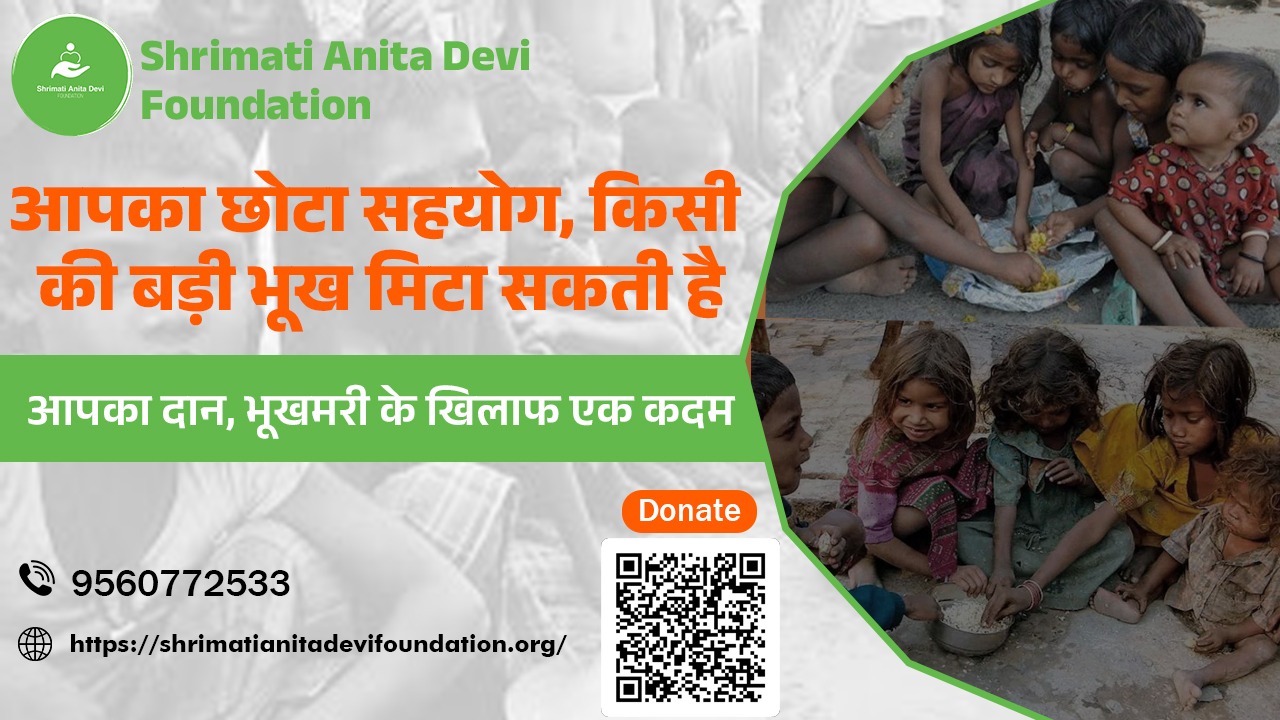
Reducing Food Waste: A Crucial Step in Food Donation
Food waste is a significant global issue, with millions of tons of edible food discarded annually. This waste not only contributes to environmental problems but also exacerbates food insecurity. Food donation serves as a powerful tool in mitigating food waste by redirecting surplus food to those in need. By understanding the mechanisms of food donation, individuals and organizations can play a pivotal role in reducing food waste and supporting sustainable practices.
One of the primary ways food donation reduces waste is by diverting excess food from landfills. Grocery stores, restaurants, and food manufacturers often have surplus food that is perfectly edible but cannot be sold due to overproduction, cosmetic imperfections, or nearing expiration dates. Instead of allowing this food to go to waste, these entities can donate it to food banks and charities, ensuring it reaches those who need it most.
Moreover, food donation encourages responsible consumption and production patterns. By participating in donation programs, businesses can assess their inventory management and production processes, identifying areas for improvement to minimize waste. This not only benefits the environment but also enhances operational efficiency and cost savings.
Individuals can also contribute to reducing food waste through donation. Household food waste is a pervasive issue, with families often discarding leftovers and unused items. By donating excess non-perishable goods to local food drives, individuals can make a meaningful impact on reducing waste and supporting their communities.
Furthermore, educational initiatives aimed at raising awareness about food waste can complement donation efforts. Schools, community centers, and online platforms can educate the public on the importance of reducing food waste and how food donation plays a role in this effort. Through workshops, seminars, and informational campaigns, individuals can learn how to minimize waste in their daily lives and contribute to broader societal efforts.
Feeding the Hungry: The Essential Role of Food Donation
Feeding the hungry is at the heart of food donation efforts. Millions of people around the world face hunger and malnutrition, and food donation provides a lifeline for those in need. Through coordinated efforts, food donation programs can effectively address hunger by ensuring that nutritious food is accessible to vulnerable populations.
Food banks and pantries are critical components of the food donation network. These organizations collect and distribute donated food to individuals and families experiencing food insecurity. They serve as a bridge between donors and recipients, facilitating the flow of food to those who need it most. By supporting food banks through donations and volunteering, individuals can directly contribute to feeding the hungry.
Community-based initiatives also play a vital role in addressing hunger through food donation. Local food drives, soup kitchens, and meal programs provide immediate relief to those experiencing hunger. These initiatives often rely on volunteers and donations from the community to operate effectively. By participating in or supporting these programs, individuals can help ensure that their neighbors have access to nutritious meals.
Furthermore, food donation can enhance social cohesion and community resilience. When individuals and organizations collaborate to address hunger, they foster a sense of solidarity and mutual support. This collective effort not only alleviates hunger but also strengthens community ties and promotes social well-being.
Additionally, innovative approaches such as mobile food distribution units and technology-driven platforms can expand the reach of food donation programs. Mobile units can deliver food directly to underserved areas, while digital platforms can connect donors with recipients more efficiently. These advancements can significantly enhance the impact of food donation efforts, ensuring that more people have access to the food they need.
Food Insecurity Solutions: The Impact of Food Donation
Food donation is a key solution to food insecurity, offering both immediate relief and long-term strategies for addressing this complex issue. By understanding the multifaceted nature of food insecurity, individuals and organizations can develop effective approaches to support those in need.
One of the immediate benefits of food donation is providing access to nutritious food for those facing food insecurity. This direct intervention addresses the immediate needs of individuals and families, ensuring they have the sustenance required for healthy living. By donating food, individuals can contribute to reducing the prevalence of food insecurity in their communities.
In addition to immediate relief, food donation can support long-term strategies for combating food insecurity. By partnering with educational programs and community organizations, food donation initiatives can promote healthy eating habits and nutritional education. These efforts empower individuals to make informed food choices, enhancing their overall well-being and resilience against food insecurity.
Moreover, food donation can stimulate economic growth and development. By supporting local agriculture and food production, donation initiatives can create economic opportunities and strengthen local food systems. This not only addresses food insecurity but also contributes to sustainable development and poverty alleviation.
Finally, food donation can inspire policy changes and advocacy efforts aimed at addressing food insecurity. By raising awareness of the issue and demonstrating the impact of donation programs, individuals and organizations can influence policy decisions and promote systemic change. This advocacy is essential for creating a more equitable and sustainable food system.
Furthermore, collaboration between governments, non-profits, and private sectors can enhance the effectiveness of food donation initiatives. By working together, these entities can develop comprehensive strategies that address the root causes of food insecurity and implement solutions that are sustainable and scalable.
In conclusion, food donation is a powerful tool for reducing food waste, feeding the hungry, and addressing food insecurity. By understanding the impact of food donation and actively participating in these efforts, individuals and organizations can make a significant difference in the lives of those in need. Through collaboration and commitment, we can build a more sustainable and just food system for all.
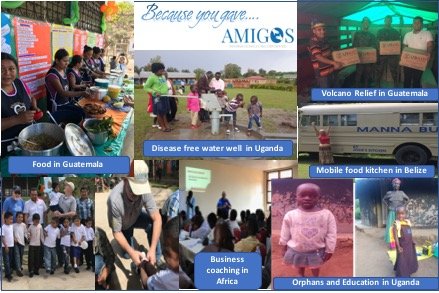


Sankesh Global Foundation not only gives them food, but it also gives them nutritious food that is good for their overall health.
Our hearts are filled with joy every time we feed a hungry child.
Nothing matters more than watching them relish each bite.
Let us join together to feed the bellies of all hungry youngsters and brighten their smiles.