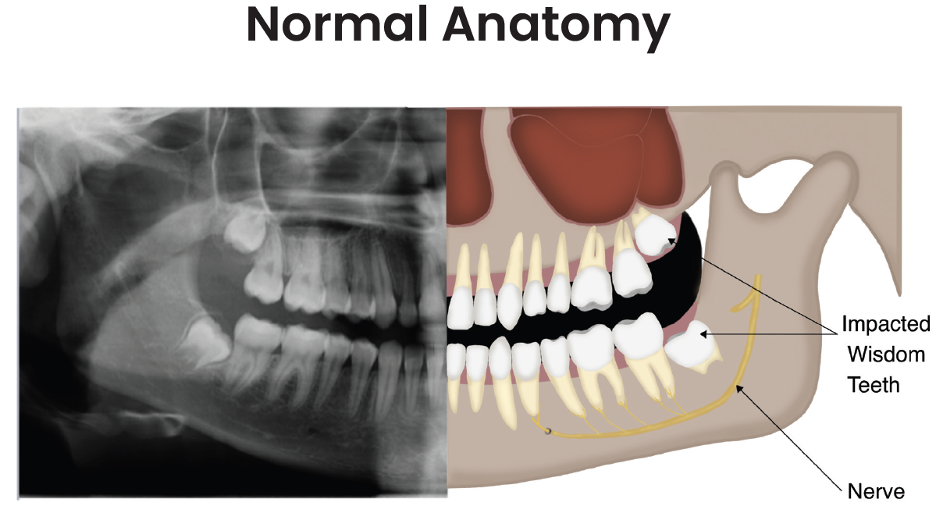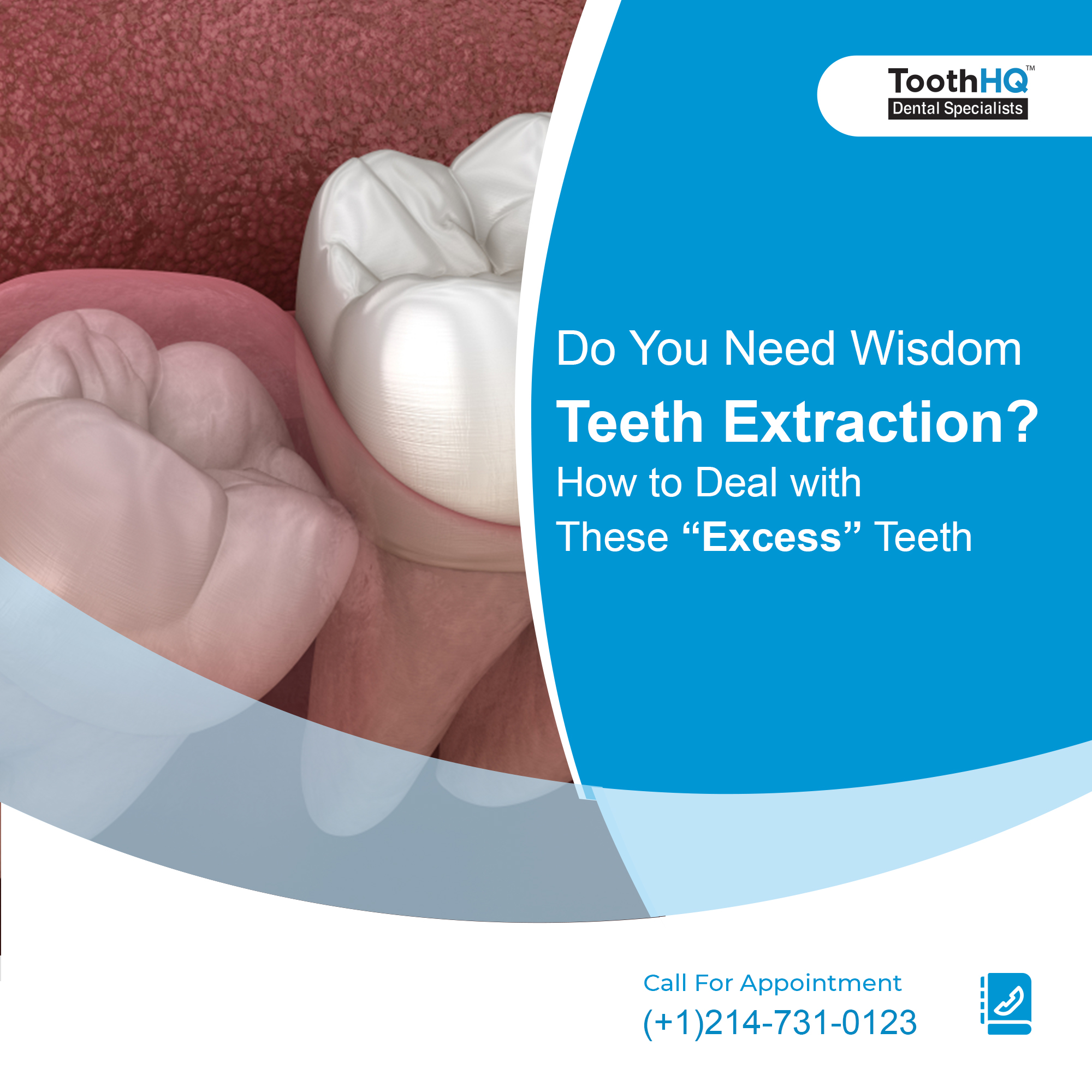
Wisdom teeth removal is a common dental procedure, often necessary when these third molars become impacted, crowd other teeth, or lead to infections. While the surgery is generally safe and performed routinely by oral surgeons and dentists, like any surgical procedure, it does come with potential risks and complications. Understanding these can help patients prepare better and know what to expect during recovery.
1. Pain and Swelling
After the extraction, it’s normal to experience pain, swelling, and mild bruising around the jaw and cheeks. These symptoms typically subside within a few days and can be managed with prescribed painkillers, ice packs, and rest. However, severe or worsening pain may be a sign of complications and should be reported to your dentist.
2. Dry Socket
One of the most common complications after wisdom teeth removal is dry socket. This occurs when the blood clot that normally forms at the extraction site either dislodges or dissolves too early, exposing the underlying bone and nerves. Dry socket can cause intense pain and delay healing. Avoiding smoking, drinking through a straw, or vigorous rinsing after surgery can help prevent this condition.
3. Infection
Though rare, infections can develop at the extraction site due to bacteria entering the wound. Signs of infection include fever, pus discharge, foul taste or odor in the mouth, and increasing pain or swelling. Prompt treatment with antibiotics can usually resolve the issue effectively.
4. Bleeding
Some bleeding is expected in the first few hours after surgery. However, if bleeding persists for over 24 hours or is heavy, it may be a sign of an issue such as improper clotting or trauma to the surgical area. Applying firm pressure with gauze and following post-op instructions can help minimize bleeding.
5. Nerve Damage
In rare cases, wisdom teeth removal—particularly of lower teeth close to nerves—can result in temporary or permanent nerve injury. This may lead to numbness, tingling, or loss of sensation in the tongue, lips, or chin. Most nerve damage is temporary, but in some cases, it may take months to heal.
6. Sinus Issues
Upper wisdom teeth are located close to the sinus cavity. Occasionally, their removal may lead to a sinus perforation, causing sinus pain or nasal discharge. This usually heals on its own, but persistent issues may require further treatment.
Conclusion
Wisdom teeth removal is a routine procedure with a high success rate, but being aware of potential complications helps ensure a smoother recovery. Always follow your dentist’s aftercare instructions and don’t hesitate to contact them if you notice anything unusual during your healing process.