



When dealing with gastroesophageal reflux disease (GERD), getting the right treatment begins with having the right conversation. Your first or even follow-up visit with a GERD doctor is your chance to understand your condition fully and take control of your health. But what should you ask during your appointment to ensure you get the best care possible? This blog outlines the top questions you should ask a GERD doctor, explains why each question matters, and how these insights can help improve your treatment outcomes. Why Asking Questions Matters Seeing a GERD doctor is not just about getting a prescription. It’s about building a relationship with a healthcare provider who understands your digestive system and your personal needs. Asking the right questions empowers you to: Understand your condition better Make informed treatment decisions Identify triggers and prevent complications Feel more confident managing your symptoms Let’s dive into the most important questions you should be prepared to ask. 1. What Is Causing My GERD Symptoms? Understanding what’s triggering your reflux—whether it's certain foods, stress, weight, or other medical conditions—helps your GERD doctor personalize your treatment plan. This question also opens the door to discussion about contributing factors like hiatal hernia or obesity. 2. How Severe Is My Condition? Knowing the severity of your GERD helps you grasp whether lifestyle changes alone will suffice or if more aggressive treatments are necessary. Your GERD doctor may use tools like endoscopy, pH monitoring, or manometry to evaluate the condition. 3. What Lifestyle Changes Should I Make? A GERD doctor can guide you on: Foods to avoid How to manage stress Eating schedules Sleep positioning Weight management These changes can dramatically reduce symptoms and reduce dependence on medication. 4. What Medications Do You Recommend, and What Are the Side Effects? Your GERD doctor may prescribe proton pump inhibitors (PPIs), H2 blockers, or antacids. Understanding how these drugs work, how long to take them, and potential side effects (like vitamin deficiencies or kidney issues) is crucial. 5. What Are the Long-Term Risks of GERD? GERD is more than just discomfort—it can cause serious complications if left untreated. Ask your GERD doctor about risks like: Esophagitis Ulcers Barrett’s esophagus Esophageal cancer Being aware of these risks reinforces the importance of staying consistent with treatment. 6. Are There Any Tests I Need? Diagnostic tools help confirm GERD and rule out more serious conditions. A GERD doctor may suggest: Upper endoscopy 24-hour pH monitoring Barium swallow test Ask about what to expect from these procedures and how to prepare. 7. Is Surgery or Endoscopic Treatment an Option for Me? If medications and lifestyle adjustments don’t work, your GERD doctor might recommend surgery, such as Nissen fundoplication, or newer endoscopic treatments. Inquire about: Success rates Recovery time Potential side effects 8. How Often Should I Have Follow-Up Appointments? Follow-ups help your GERD doctor monitor progress, adjust treatment, and detect complications early. Ask how often you should come back and what symptoms should prompt an immediate visit. 9. Can GERD Symptoms Mimic Other Conditions? Yes—heartburn and chest pain can resemble symptoms of heart disease, gallbladder issues, or anxiety disorders. A thorough discussion with your GERD doctor helps ensure you’re not overlooking another health issue. 10. What Are the Signs My Condition Is Worsening? Being able to recognize red flags is crucial. Your GERD doctor may highlight symptoms such as: Trouble swallowing Unintentional weight loss Vomiting blood Black, tarry stools These signs may indicate complications and require immediate attention. Bonus Tip: Bring a Symptom Diary To help your GERD doctor make accurate decisions, consider bringing a symptom diary. Track: When symptoms occur What you ate Your activity levels How you felt emotionally This helps identify patterns and triggers that may not be immediately obvious. Building a Partnership With Your GERD Doctor Your relationship with your GERD doctor should be based on open communication and mutual trust. Asking smart questions encourages your doctor to tailor their recommendations to your specific needs. It also reassures you that you're actively participating in your own care. Final Thoughts Seeing a GERD doctor is a proactive step toward managing acid reflux and improving your digestive health. But it’s not just about showing up—it’s about showing up informed. By asking the right questions, you not only get clearer answers but also ensure that your treatment plan is aligned with your goals and lifestyle. Be prepared. Be curious. And most importantly, be your own advocate during every visit with your GERD doctor. FAQs About Talking to a GERD Doctor Q1. What if I forget to ask something during my appointment?
No problem—write down your questions beforehand or follow up with your GERD doctor via phone or patient portal. Q2. Can I bring someone with me to my appointment?
Absolutely. A family member or friend can help take notes and remember details discussed by the GERD doctor. Q3. Is it okay to get a second opinion?
Yes. If you're uncertain or want more options, a second opinion from another GERD doctor is perfectly reasonable. Q4. Are all GERD doctors gastroenterologists?
Most GERD doctors are gastroenterologists, but primary care doctors can also help with early diagnosis and management. Q5. How do I know if my treatment is working?
Consistent symptom relief, improved sleep, and better digestion are good signs.

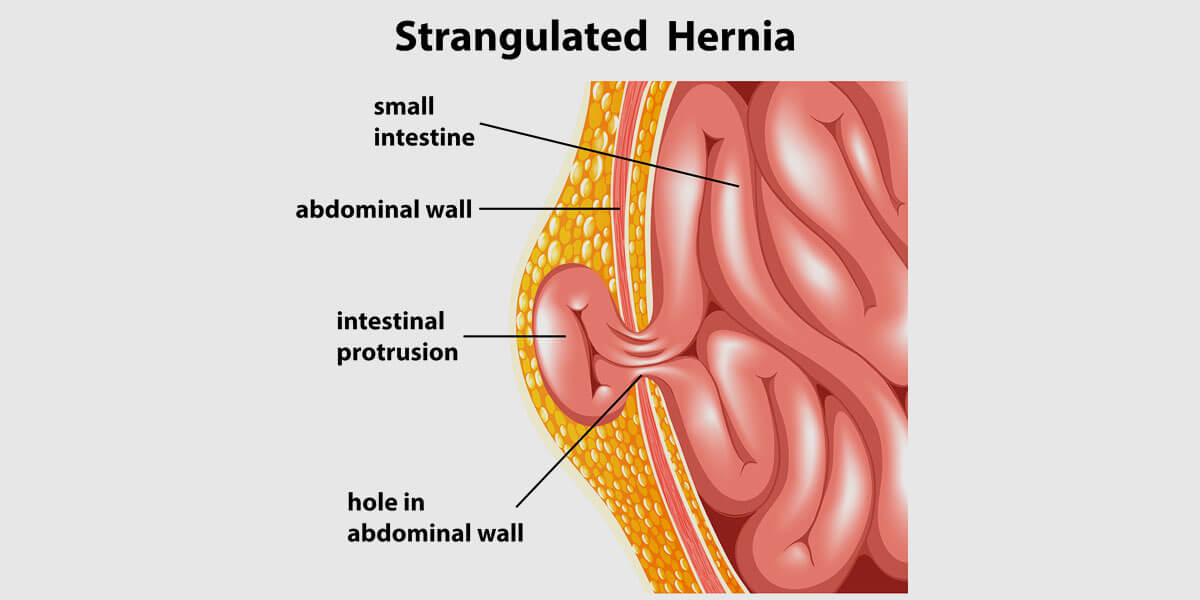
Achalasia Cardia is a complex motility disorder of esophagus and needs treatment by a specialist doctor for this condition.
Dr. Chirag Thakkar is specialist doctor of achalasia cardia and GERD surgery in Ahmedabad.
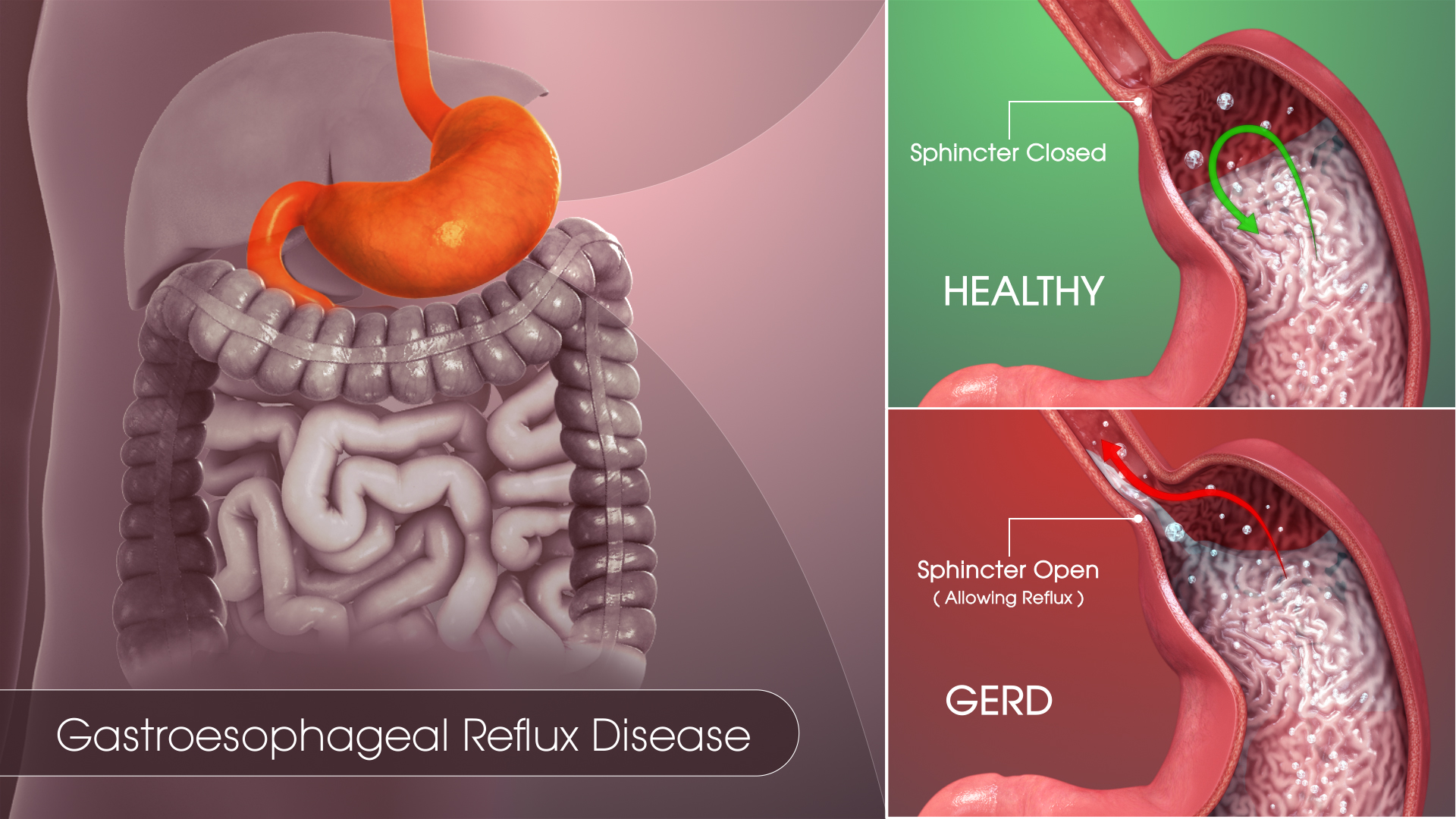
GERD management may include alteration of the lifestyle, medical therapy, and surgical care.
Changes in lifestyle including weight loss or raising of bed head have been shown to enhance symptoms of oesophageal pH or GERD.
Suggestions to help relieve symptoms include: Lose weight if people are overweight — this one is the most powerful of all the lifestyle improvements they can make.Avoid products that increase their stomach acid levels, like caffeinated beverages.Avoid foods, such as fatty foods, alcohol and peppermint, that reduce the pressure in the lower oesophagus.Restrict foods that affect muscle movements in the digestive tract, such as coffee, alcohol and acidic fluids.Ignore foods that slow down the emptying of the gastric like fatty foods.
TIF and Other Therapy in Endoscopy: Transpolar incisionless fundoplication (TIF) addresses GERD as an option.
TIF will mean a shorter healing period, less pain and a quicker recovery compared to laparoscopic operations.
The procedure involves the use of a special TIF system to create a passageway called an endoscope for a versatile, tube-like imaging system.
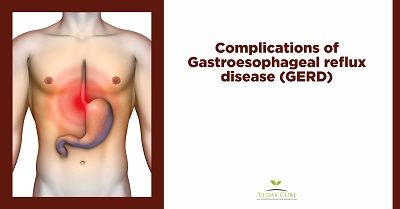
Gerd complication :- Disturbance of GERD difficulty is effectively seen in different conditions.
Individuals used to encounter GERD manifestations more perceptible around evening time.
The explanation for this remembers lying level for beds, eating hefty suppers promptly after sleep time, and not permitting the stomach related framework sufficient opportunity to handle this over-burden.
Then, at that point they rests, hoping to rest, and once more, gravity presents an issue in view of their GERD.12 PM is frequently the ideal opportunity for a major flood in stomach corrosive discharge.
Around then the vast majority are resting, aggravating the reflux.A few group stress over close to home or work issues as they lie in bed.
Some of the time as you focus on them, these issues can glance exceptionally enormous to you.