In today’s fast-evolving healthcare landscape, delivering quality care requires more than clinical expertise — it demands reliable access to patient information. This is where Electronic Medical Record (EMR) systems step in. Designed to digitize, store, and manage patient health information, the purpose of the EMR system is to streamline the healthcare workflow, improve accuracy, and enhance patient outcomes.
What is an EMR System?
At its core, an EMR system acts as a digital version of a patient’s paper chart. It allows healthcare providers to track medical history, diagnoses, treatment plans, immunization records, and lab results in one secure platform. Unlike paper-based documentation, EMRs offer real-time data access and can be easily updated, ensuring healthcare professionals make informed decisions at every stage of care.
Purpose of EMR System
The primary purpose of an EMR system is to enhance the quality of patient care by improving access to critical health information. It helps healthcare providers:
- Maintain accurate, up-to-date, and complete patient records
- Improve care coordination across departments or providers
- Reduce medical errors through automated alerts
- Support better diagnosis and treatment decisions
- Streamline administrative tasks and reduce paperwork
By digitizing records and workflows, EMRs empower providers to focus more on patient engagement and less on manual documentation.
Key Functions and Capabilities
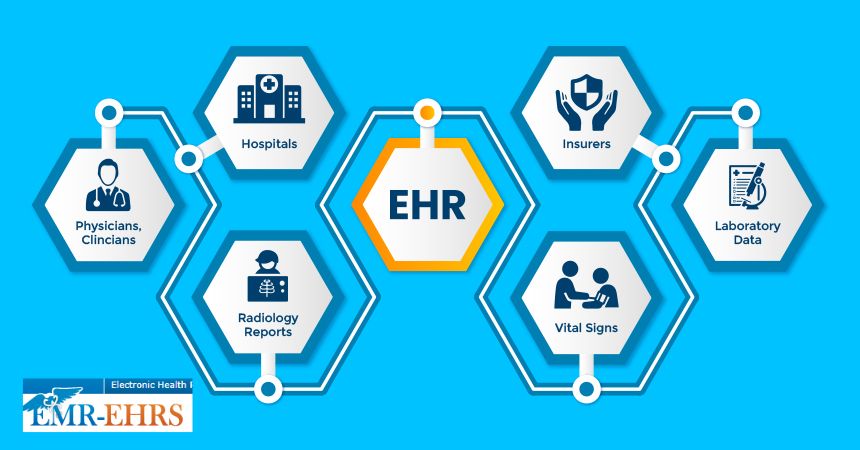
The electronic health record systems serve multiple purposes in clinical environments:
- Centralized patient data storage
- Real-time updates and record sharing
- Alerts for medication interactions or allergies
- Integration with labs and imaging centers
- Support for e-prescriptions and digital referrals
Benefits of EHR Systems
One of the key benefits of EHR systems (Electronic Health Record systems, which often go hand-in-hand with EMRs) is enhanced efficiency. With automated scheduling, electronic prescriptions, and instant lab result sharing, providers save time and reduce administrative burdens. Moreover, EMRs help reduce medical errors by eliminating illegible handwriting, alerting clinicians to potential drug interactions, and maintaining up-to-date medication lists.
Security and Compliance
Electronic health record software also plays a pivotal role in data security and regulatory compliance. Most systems are HIPAA-compliant, ensuring patient confidentiality and controlled access to sensitive records. Furthermore, integrated reporting tools assist with billing, coding, and performance tracking, making the platform invaluable for both clinical and administrative teams.
Choosing the Best EMR Software
For practices looking to invest in the best EMR software, choosing a solution that combines reliability, usability, and robust features is crucial. Consider your specialty, practice size, and workflow needs when selecting an EMR platform.
Why Choose PrognoCIS EHR Software?
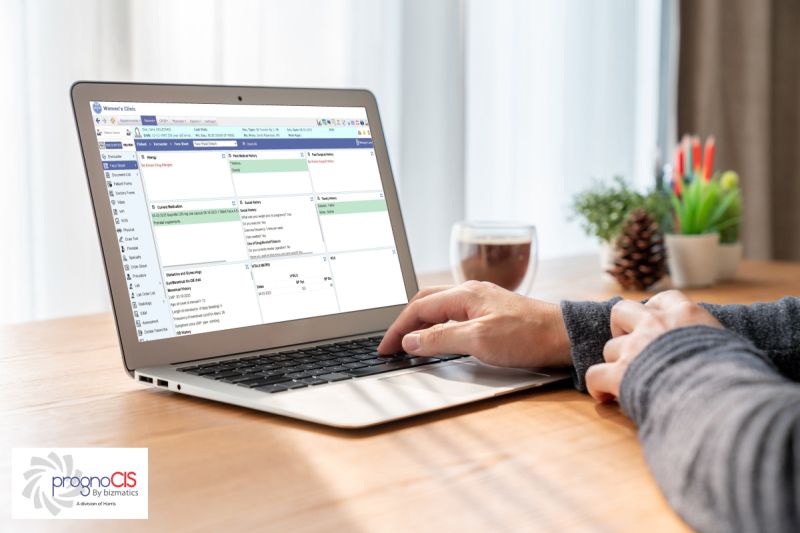
PrognoCIS stands out as a comprehensive EHR solution tailored to meet the needs of modern medical practices. Built for flexibility, it supports a wide range of specialties and integrates advanced features such as telemedicine, e-prescribing, patient portals, and revenue cycle management. Whether you're a solo practitioner or a multi-specialty clinic, PrognoCIS ensures that your electronic health record system works as a powerful ally in delivering efficient, high-quality care.
Explore the full potential of PrognoCIS and experience firsthand the purpose-driven transformation EMRs bring to your healthcare practice.