

Understanding Color Psychology in Office Interior Design
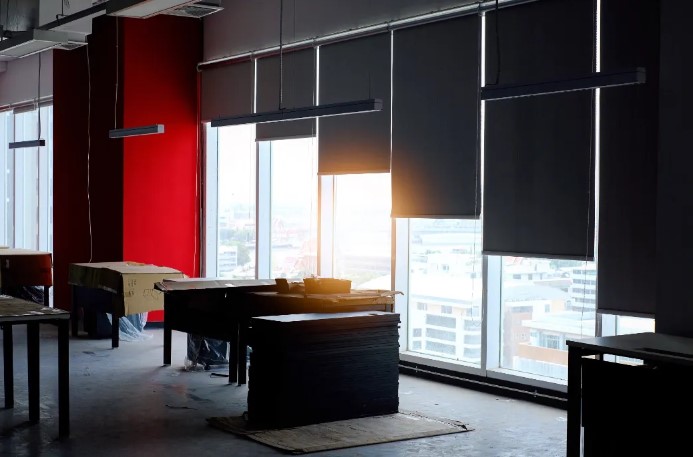
Color psychology plays a pivotal role in shaping the atmosphere of an office space. The colors chosen for walls, furniture, and accents can significantly impact employee mood, productivity, and overall well-being. For instance, blue is often associated with calmness and focus, making it ideal for areas that require concentration. Green, on the other hand, is linked to balance and harmony, promoting a sense of tranquility in the workspace. Bold colors like red can stimulate energy and creativity, but should be used sparingly to avoid overwhelming the senses. Understanding these psychological effects allows designers to create an environment that supports the mental and emotional needs of employees, ultimately enhancing productivity.
Beyond the basic understanding of color psychology, it is essential to consider the specific needs and culture of the organization when selecting color schemes. For instance, tech companies might opt for cooler tones that promote concentration and innovation, while creative agencies might embrace warmer hues to stimulate creativity. Additionally, incorporating brand colors into the office design can reinforce company identity and foster a sense of belonging among employees. The strategic use of color can also delineate different zones within the office, such as collaborative spaces and quiet areas, enhancing functionality and workflow.
Incorporating color psychology into office interior design requires a nuanced approach, balancing aesthetics with functionality. Designers must consider factors such as lighting, materials, and the interplay of colors to create a cohesive and harmonious environment. The use of accent walls, colorful furniture, and art pieces can add vibrancy and character to the space, while neutral tones can provide a calming backdrop. Ultimately, the goal is to create an office environment that not only looks appealing but also supports the productivity and well-being of employees through thoughtful color choices.
Innovative Office Decor Ideas for a Dynamic Work Environment
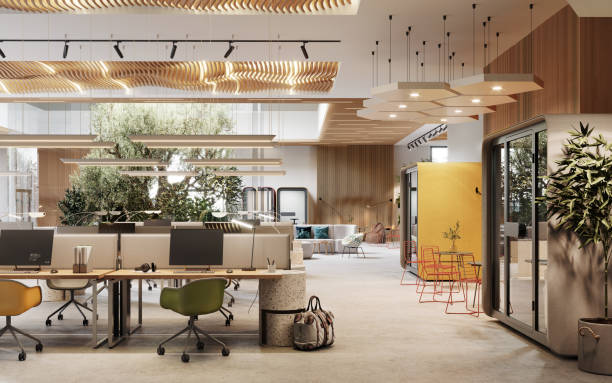
Office decor is not just about aesthetics; it reflects the company's culture and values. Incorporating elements like artwork, plants, and personalized workstations can create a dynamic and engaging environment. Artwork can inspire creativity and add character to the space, while plants improve air quality and bring a touch of nature indoors. Personalized workstations allow employees to express their individuality, fostering a sense of ownership and belonging. Innovative decor ideas also include the use of multifunctional furniture, which maximizes space and encourages collaboration. By thoughtfully selecting decor elements, businesses can create a vibrant atmosphere that motivates employees and enhances their work experience.
Furthermore, integrating technology into office decor can enhance functionality and modernize the workspace. Digital displays, interactive boards, and smart furniture can facilitate communication and collaboration, making the office more efficient and engaging. Incorporating sustainable materials and eco-friendly decor can also reflect the company's commitment to environmental responsibility, appealing to employees and clients alike. The use of modular furniture and adaptable decor elements allows for flexibility, enabling the office to evolve with changing needs and trends.
Creating a dynamic work environment through innovative office decor requires a balance of creativity and practicality. Designers must consider the diverse needs and preferences of employees, ensuring that the decor enhances productivity and well-being. The strategic placement of decor elements, such as artwork and plants, can create focal points and stimulate conversation, while personalized workstations can foster a sense of community and collaboration. Ultimately, the goal is to create an office environment that reflects the company's values and inspires employees to perform at their best.
Office Design: Crafting Spaces that Inspire Productivity
Effective office design is about more than just aesthetics; it is about creating spaces that inspire and facilitate productivity. This involves considering factors such as lighting, acoustics, and ergonomics. Natural light is known to boost mood and energy levels, making it a crucial element in office design. Acoustic solutions, such as soundproofing and strategic placement of noise-reducing materials, help minimize distractions and maintain focus. Ergonomic furniture supports physical health, reducing discomfort and potential injuries. Additionally, designing spaces that encourage movement and interaction can foster collaboration and innovation. By addressing these elements, office design can significantly impact employee performance and satisfaction.
Moreover, incorporating elements of biophilic design can enhance the connection between employees and nature, improving well-being and reducing stress. Natural materials, greenery, and outdoor views can create a calming and rejuvenating atmosphere, promoting creativity and focus. The integration of technology, such as smart lighting and climate control, can optimize comfort and efficiency, allowing employees to work effectively in any environment. Designing spaces that support diverse work styles, such as quiet zones and collaborative areas, ensures that the office caters to the unique needs of each employee.
Crafting spaces that inspire productivity requires a holistic approach, considering both physical and psychological factors. Designers must create environments that are visually appealing, functional, and supportive of employee well-being. The use of flexible layouts, adjustable furniture, and adaptable lighting can accommodate changing needs and preferences, ensuring that the office remains a dynamic and inspiring place to work. Ultimately, effective office design is about creating spaces that empower employees to perform at their best, driving success and growth for the organization.
Creative Office Layout Ideas for Enhanced Workflow
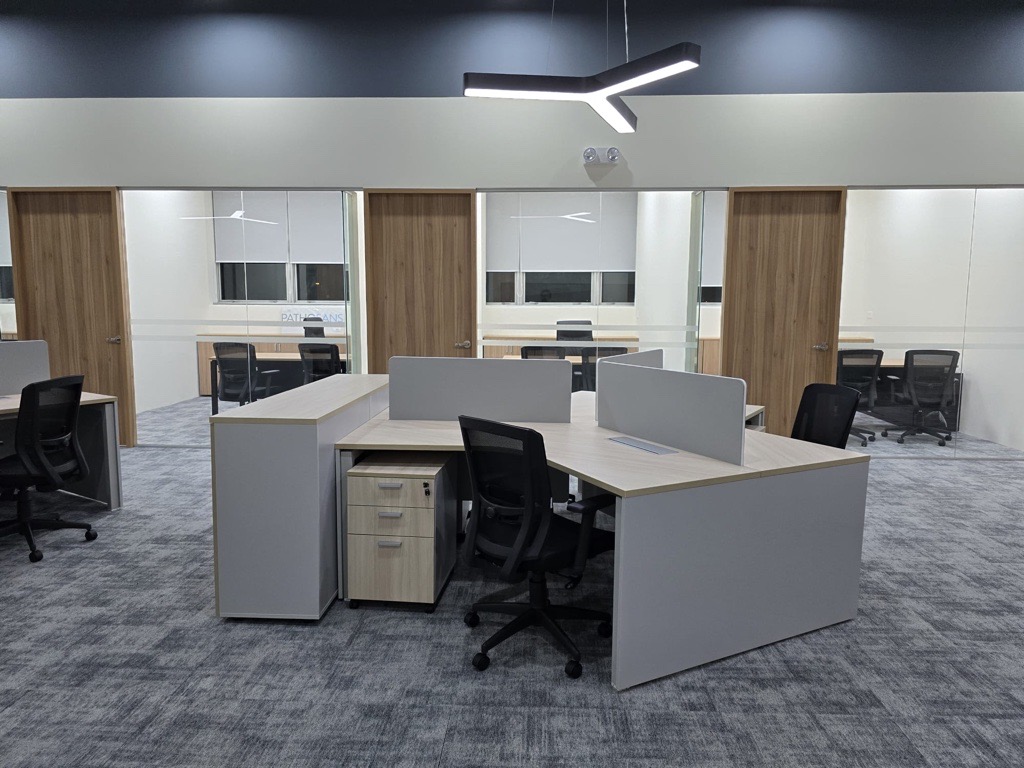
The layout of an office can greatly influence workflow and communication. Open-plan layouts promote collaboration and transparency, while private offices provide quiet spaces for focused work. A balanced approach, incorporating both open and private areas, allows for flexibility and caters to diverse work styles. Incorporating breakout areas and meeting pods can facilitate informal discussions and brainstorming sessions. Additionally, the strategic placement of departments and teams can streamline processes and improve efficiency. Creative office layout ideas prioritize functionality and adaptability, ensuring that the space evolves with the needs of the organization.
Furthermore, incorporating elements of agile design can enhance flexibility and adaptability, allowing the office to respond to changing needs and trends. Modular furniture, movable partitions, and flexible workstations can create a dynamic and responsive environment, promoting collaboration and innovation. The use of technology, such as digital collaboration tools and virtual meeting spaces, can facilitate communication and streamline workflow, making the office more efficient and productive.
Creating an office layout that enhances workflow requires careful planning and consideration of the unique needs and preferences of employees. Designers must balance open and private spaces, ensuring that the office supports both collaboration and focused work. The strategic placement of breakout areas, meeting pods, and departments can streamline processes and improve efficiency, creating a dynamic and responsive environment. Ultimately, the goal is to create an office layout that enhances productivity and communication, driving success and growth for the organization.
Office Space Planning: Maximizing Efficiency and Comfort
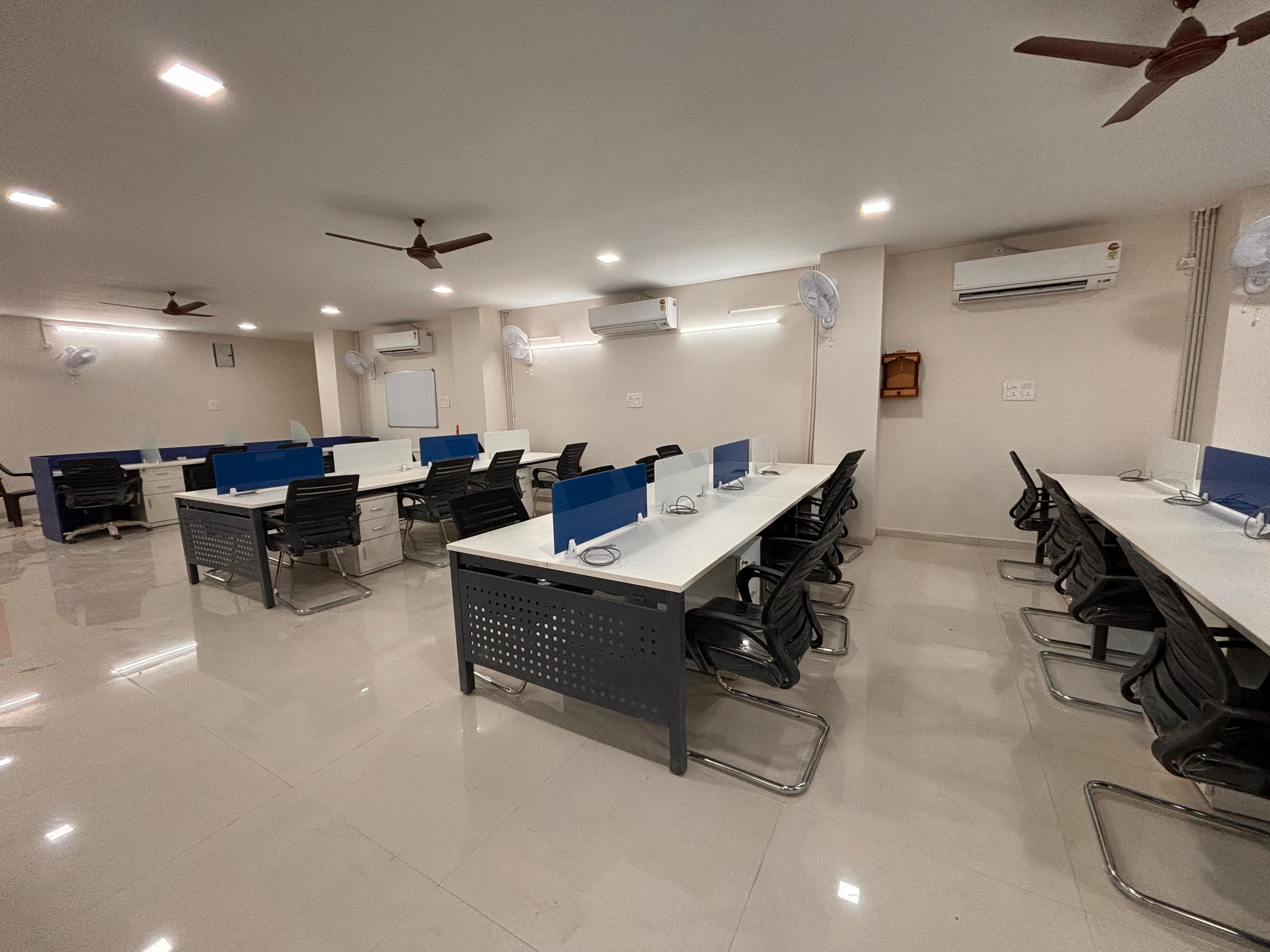
Office space planning is a critical aspect of interior design, focusing on maximizing efficiency and comfort within the available area. This involves assessing the spatial needs of employees and allocating resources accordingly. Efficient space planning considers factors such as traffic flow, accessibility, and storage solutions. Creating designated zones for different activities, such as collaborative work, quiet focus, and relaxation, can enhance productivity and employee satisfaction. Incorporating flexible workspaces, such as hot desking and shared areas, allows for adaptability and accommodates changing team dynamics. Thoughtful space planning ensures that every square foot is utilized effectively, creating a harmonious and productive environment.
Moreover, incorporating elements of sustainable design can enhance efficiency and reduce environmental impact, promoting a healthier and more responsible workspace. The use of energy-efficient lighting, climate control, and sustainable materials can optimize comfort and efficiency, reducing costs and environmental impact. Designing spaces that support diverse work styles, such as quiet zones and collaborative areas, ensures that the office caters to the unique needs of each employee, promoting productivity and well-being.
Maximizing efficiency and comfort through office space planning requires a holistic approach, considering both physical and psychological factors. Designers must create environments that are visually appealing, functional, and supportive of employee well-being. The use of flexible layouts, adjustable furniture, and adaptable lighting can accommodate changing needs and preferences, ensuring that the office remains a dynamic and inspiring place to work. Ultimately, effective office space planning is about creating environments that empower employees to perform at their best, driving success and growth for the organization.
Interior Design Tips for Creating a Productive Office
Interior design tips for a productive office include prioritizing comfort, functionality, and aesthetics. Selecting ergonomic furniture and adjustable workstations supports physical well-being, reducing strain and discomfort. Incorporating technology seamlessly into the design, such as integrated charging stations and smart lighting, enhances efficiency and convenience. Creating a cohesive color palette and theme throughout the office fosters a sense of unity and professionalism. Additionally, incorporating elements of nature, such as natural materials and green spaces, can improve mood and reduce stress. By focusing on these design principles, businesses can create an environment that not only looks appealing but also supports the productivity and well-being of employees.
Furthermore, designing spaces that encourage movement and interaction can foster collaboration and innovation, enhancing productivity and creativity. The use of flexible layouts, adjustable furniture, and adaptable lighting can accommodate changing needs and preferences, ensuring that the office remains a dynamic and inspiring place to work. Incorporating elements of sustainable design can enhance efficiency and reduce environmental impact, promoting a healthier and more responsible workspace.
Creating a productive office environment through interior design requires a balance of creativity and practicality. Designers must consider the diverse needs and preferences of employees, ensuring that the design enhances productivity and well-being. The strategic placement of decor elements, such as artwork and plants, can create focal points and stimulate conversation, while personalized workstations can foster a sense of community and collaboration. Ultimately, the goal is to create an office environment that reflects the company's values and inspires employees to perform at their best, driving success and growth for the organization.
In conclusion, superior office interior design is the key to creating a productive and efficient work environment. By understanding the psychological impact of colors, exploring innovative decor ideas, crafting effective office designs, implementing creative layout strategies, planning space efficiently, and following interior design tips, businesses can transform their workplaces into inspiring hubs of productivity. This holistic approach to office design not only enhances the physical space but also nurtures the mental and emotional well-being of employees, ultimately driving success and growth.