

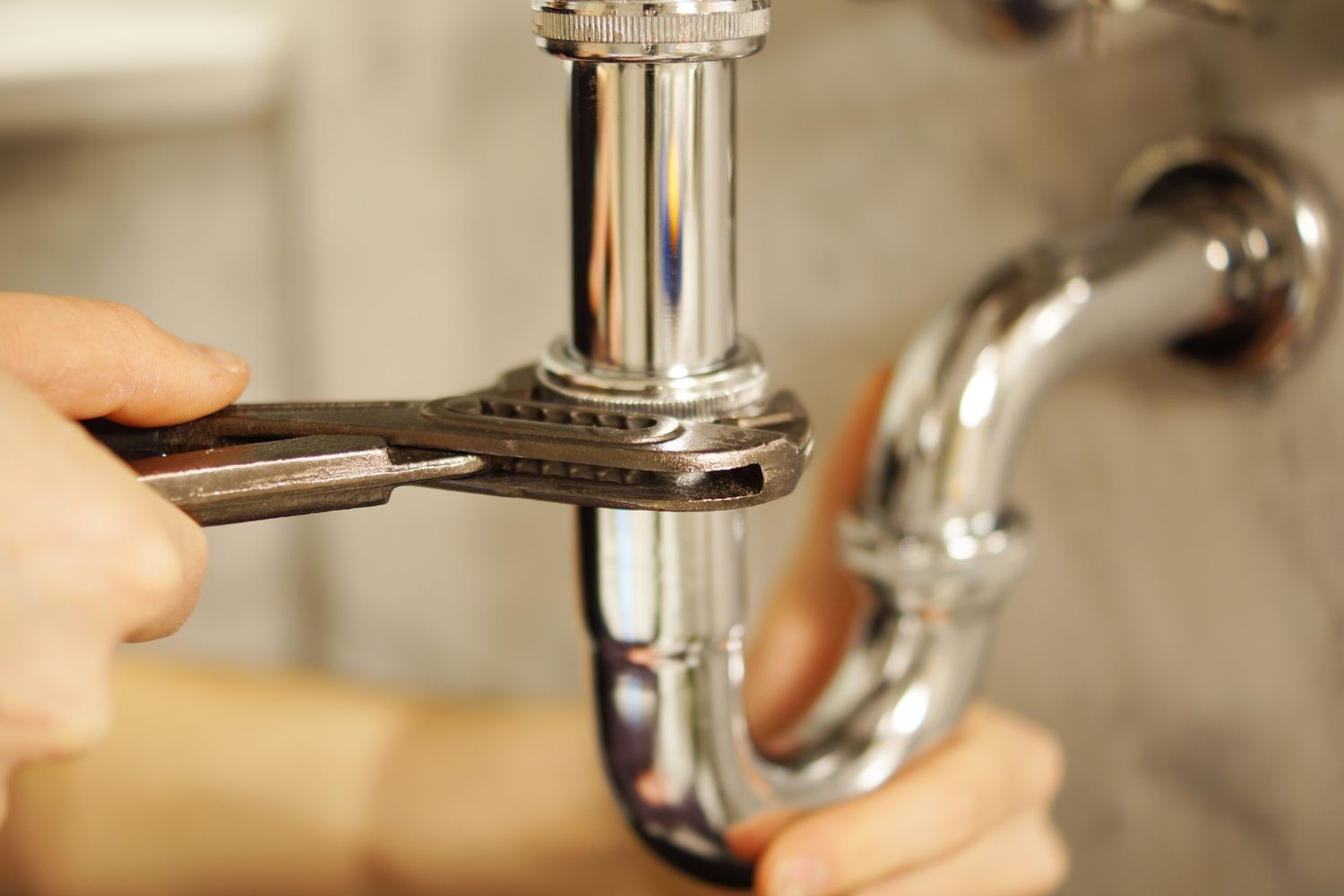
You experience the convenience of residential plumbing whenever you take a shower. But have you ever considered how water flows in and out of your home? As a homeowner, you should learn the basics of a residential plumbing system. It will help you manage your home better. The knowledge will empower you and give you self-confidence. You’ll be able to handle emergencies and save money on repairs. Hiring a plumber could cost you anywhere from $180 to $494. This guide will break down the basics of residential plumbing. You’ll learn how this system works and why it’s a critical element of every home.
Residential plumbing brings in fresh water and pushes out waste. It has a network of pipes, fixtures, and fittings. Basic plumbing includes structures for hot and cold water delivery, drainage, and venting. It's designed to be invisible. Designers hide the pipes and vents under walls, behind walls, and in crawlspaces.
Every residential plumbing system has components that work together. You must know what role each element plays. This system brings fresh water into your home. It can come from the city mains or a private well.
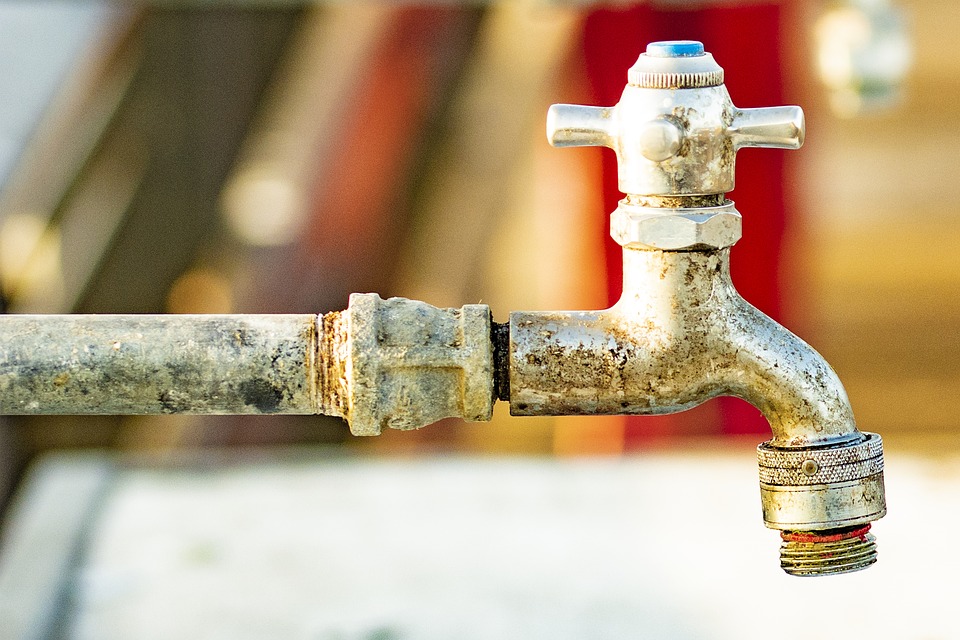
A water supply system has a main water line. This pipe connects your home to the water source. You can turn off the water supply to your entire home using the shut-off valve. There are also branch lines or pipes carrying water to fixtures. Faucets, toilets, and bathtubs are examples of fixtures. They’re the points of water use in your home
You experience the convenience of residential plumbing whenever you take a shower. But have you ever considered how water flows in and out of your home?
As a homeowner, you should learn the basics of a residential plumbing system. It will help you manage your home better. The knowledge will empower you and give you self-confidence. You’ll be able to handle emergencies and save money on repairs. Hiring a plumber could cost you anywhere from $180 to $49.