

When planning to use your marriage certificate in a foreign country, especially for immigration, residency, visa applications, or spousal benefits, it must be authenticated for international use. This process is known as apostille. Understanding what a marriage certificate apostille is, why you need it, and how to obtain it can save you time, effort, and complications when dealing with foreign authorities.
What is a Marriage Certificate Apostille?
An apostille is a form of authentication issued to documents for use in countries that are members of the Hague Apostille Convention of 1961. It certifies the authenticity of the signature, the capacity in which the person signing the document acted, and the identity of any stamp or seal.
A marriage certificate apostille is specifically for authenticating your marriage certificate, allowing it to be legally recognized in a foreign country.
- When Do You Need an Apostille for a Marriage Certificate?
- You may need a marriage certificate apostille in the following situations:
- Applying for a spouse visa or dependent visa abroad
- Changing marital status on foreign records
- Claiming spousal benefits or insurance internationally
- Applying for foreign residency or citizenship
- Adopting a child in another country
- Legal proceedings involving your marital status
- Countries That Require Apostille
Only countries that are part of the Hague Convention accept apostilled documents. If the destination country is not part of the Hague Convention, you will need to follow embassy legalization or attestation procedures instead.
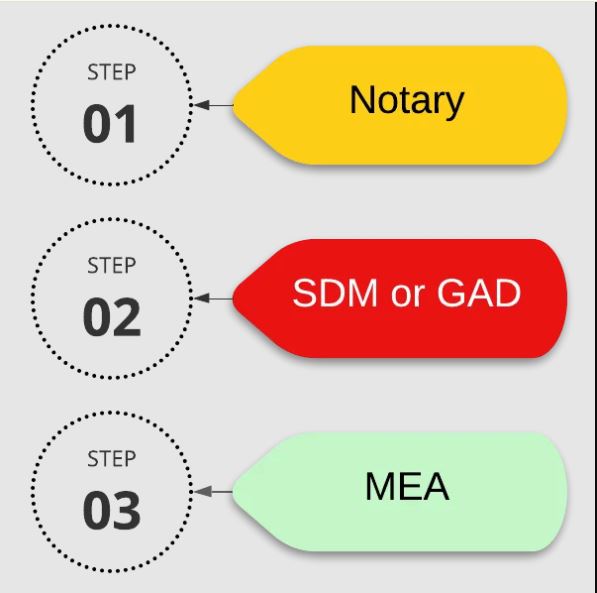
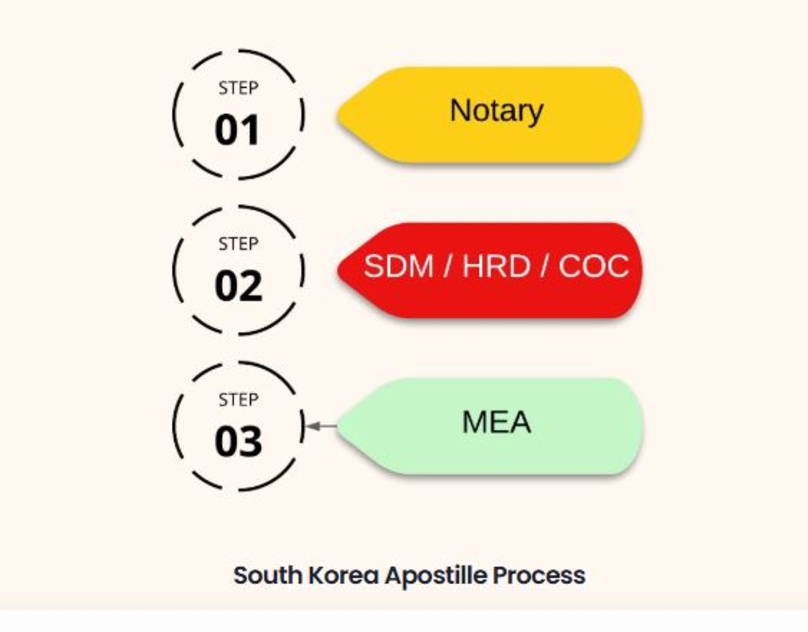
How to Apostille a Marriage Certificate The process for obtaining an apostille for a marriage certificate varies slightly by country, but it typically involves the following steps:
1. Obtain a Certified Copy
You’ll need an official certified copy of your marriage certificate from the relevant government authority, usually the registrar or civil registry office.
2. Notarization (If Required)
Some countries require the document to be notarized before apostille. Check local regulations to confirm if notarization is necessary.
3. Submit to Competent Authority
Submit the document to the designated apostille authority in your country. In most countries, this is a department within the Ministry of External Affairs, Foreign Affairs, or a similar governmental body.
4. Pay the Fee
A nominal government fee is typically charged for the apostille process.
5. Receive Apostilled Document
Once processed, you will receive your original document with the apostille certificate attached—usually as a separate page or stamp.
Processing Time and Validity Processing Time:
Typically 1–10 business days depending on your country and whether expedited service is available.
Validity: An apostille is usually valid for life unless the original document itself has an expiration or is later modified.
Apostille vs. Legalization
It’s important to distinguish between apostille and legalization:
Apostille is used between countries that are part of the Hague Convention.
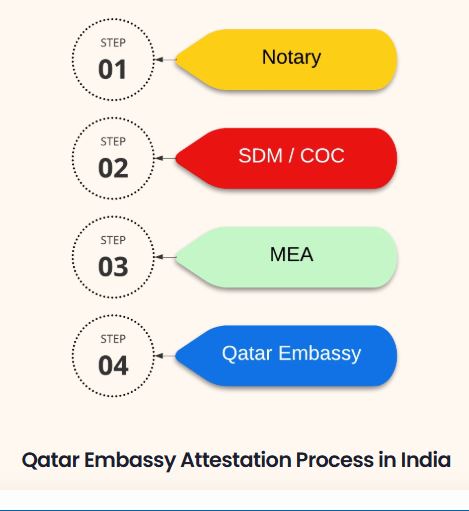
Legalization involves further authentication through embassies/consulates and is required for countries not in the Hague Convention.
Final Thoughts
If you are moving, working, studying, or starting a family abroad, getting your marriage certificate apostilled is a vital step in ensuring your marital status is officially recognized overseas. Engaging a professional document attestation or apostille service can streamline the process and help avoid bureaucratic errors.

There should be no objection if you are getting married outside Canada and you should have all the required documents.
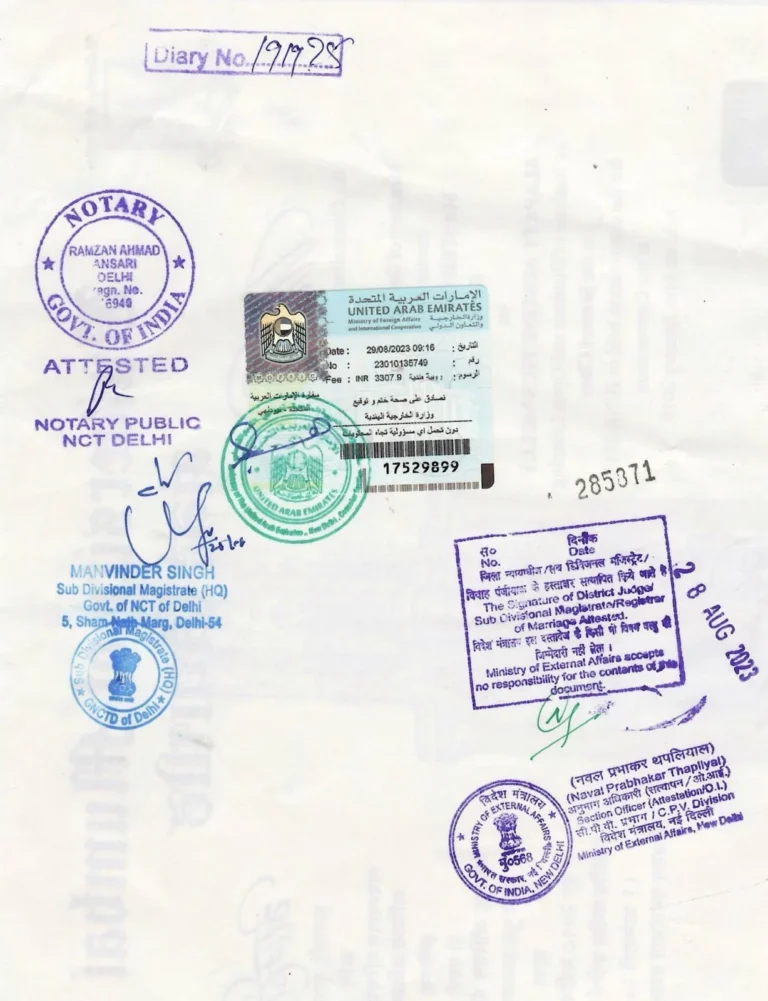
Our team will get the Marriage Certificate Apostille with the embassies or the consulates.