In the modern era, technology has become an integral part of healthcare, significantly transforming how services are delivered and received. The advent of medical reminder systems is a testament to this revolution, playing a pivotal role in enhancing patient adherence. These systems leverage advanced technology to ensure that patients follow their prescribed treatment plans, attend appointments, and maintain communication with healthcare providers. By integrating technology into healthcare, medical reminder systems have not only improved patient adherence but also fostered a more efficient and effective healthcare system.
Medical reminder system utilize a variety of technological tools, including mobile applications, automated phone calls, text messages, and emails, to remind patients of their medical appointments, medication schedules, and other health-related tasks. These systems are designed to be user-friendly and accessible, ensuring that patients of all ages and technological proficiency levels can benefit from them. The integration of artificial intelligence and machine learning into these systems has further enhanced their capabilities, allowing for personalized reminders and recommendations based on individual patient needs and preferences.
Moreover, the use of electronic health records (EHRs) in conjunction with medical reminder systems has streamlined the process of managing patient information and scheduling appointments. EHRs provide healthcare providers with real-time access to patient data, enabling them to send timely and accurate reminders. This integration has also facilitated better communication between patients and providers, as patients can easily access their health information and communicate with their healthcare team through secure online portals.
Appointment Reminder Software: Minimizing No-Shows and Improving Efficiency
Appointment reminder software is a crucial component of medical reminder systems, specifically designed to address the issue of patient no-shows. No-shows not only disrupt the workflow of healthcare providers but also lead to wasted resources and decreased revenue for healthcare facilities. By implementing appointment reminder software, healthcare providers can significantly reduce no-show rates and improve overall efficiency.
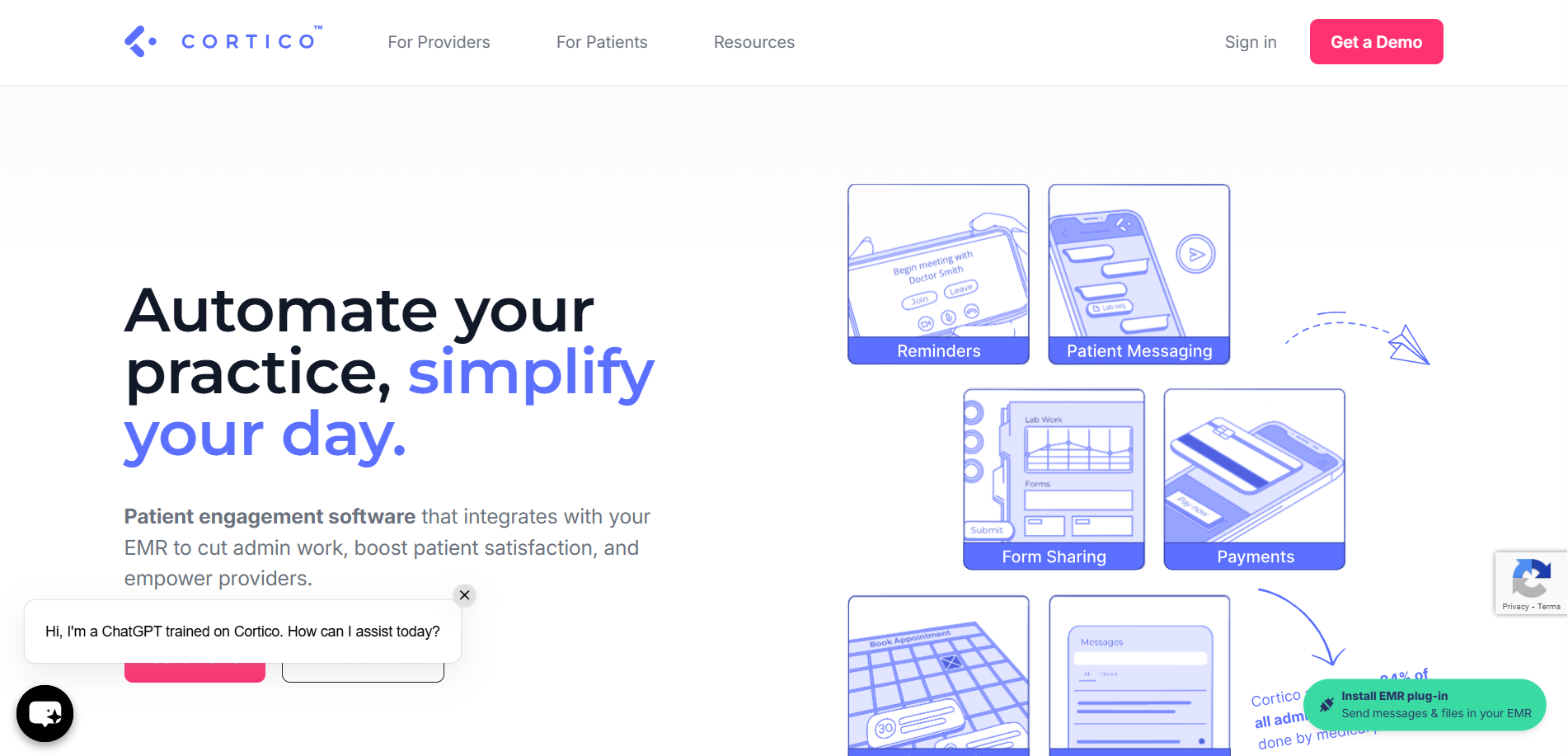
This software sends automated reminders to patients via their preferred communication channels, such as text messages, emails, or phone calls. Patients can confirm, reschedule, or cancel appointments with ease, allowing healthcare providers to manage their schedules more effectively. Additionally, appointment reminder software often includes features such as calendar integration, appointment tracking, and analytics, providing healthcare providers with valuable insights into patient behavior and appointment trends.
The use of appointment reminder software has been shown to improve patient adherence by ensuring that patients are aware of their upcoming appointments and have the opportunity to reschedule if necessary. This proactive approach not only minimizes no-shows but also enhances the patient experience by providing a convenient and efficient way to manage appointments. Furthermore, appointment reminder software can be customized to meet the specific needs of different healthcare practices, ensuring that all patients receive the appropriate level of care and attention.
Patient Engagement Strategies: Fostering a Reliable Healthcare Experience
Patient engagement is a critical factor in promoting adherence and ensuring a reliable healthcare experience. By employing effective patient engagement strategies, healthcare providers can foster a collaborative relationship with their patients, encouraging them to take an active role in their healthcare journey. Medical reminder systems play a vital role in these strategies by facilitating communication and providing patients with the tools they need to stay informed and engaged.
One of the key patient engagement strategies is personalized communication. Medical reminder systems can be tailored to send personalized messages and reminders to patients, addressing their specific health needs and concerns. This personalization helps build trust and rapport between patients and providers, making patients more likely to adhere to their treatment plans and attend appointments. Additionally, personalized communication can motivate patients to actively participate in their healthcare, leading to better health outcomes and improved satisfaction.
Another important strategy is education and empowerment. Medical reminder systems can be used to deliver educational content to patients, such as information about their condition, treatment options, and lifestyle changes. By providing patients with the knowledge they need to make informed decisions about their health, healthcare providers can empower them to take control of their healthcare journey. This empowerment can lead to increased adherence, as patients are more likely to follow treatment plans and attend appointments when they understand the importance of doing so.
Furthermore, involving patients in the decision-making process is a powerful engagement strategy. Medical reminder systems can facilitate this involvement by providing patients with access to their health information and enabling them to communicate with their healthcare team. By actively involving patients in their healthcare decisions, providers can ensure that treatment plans are tailored to the individual needs and preferences of each patient, leading to better adherence and improved health outcomes.
Overcoming Barriers to Patient Adherence: The Role of Medical Reminder Systems
Despite the advancements in healthcare technology, patient adherence remains a significant challenge for healthcare providers. Various barriers, such as forgetfulness, lack of understanding, and logistical issues, can prevent patients from adhering to their treatment plans and attending appointments. Medical reminder systems are instrumental in overcoming these barriers by providing patients with the support and resources they need to stay on track.
One of the primary barriers to adherence is forgetfulness. Patients often forget to take their medications or attend appointments, leading to suboptimal health outcomes. Medical reminder systems address this issue by sending timely and consistent reminders to patients, ensuring that they are aware of their healthcare responsibilities. By reducing the likelihood of forgetfulness, these systems help improve adherence and promote better health outcomes.
Lack of understanding is another common barrier to adherence. Patients may not fully understand their treatment plans or the importance of following them, leading to non-adherence. Medical reminder systems can help bridge this gap by providing patients with clear and concise information about their health and treatment options. By enhancing patient understanding, these systems encourage adherence and empower patients to take an active role in their healthcare.
Logistical issues, such as transportation and scheduling conflicts, can also hinder patient adherence. Medical reminder systems can help address these challenges by offering flexible scheduling options and providing patients with the information they need to plan their healthcare appointments. By alleviating logistical barriers, these systems make it easier for patients to adhere to their treatment plans and attend appointments, ultimately leading to better health outcomes.
The Future of Medical Reminder Systems: Trends and Innovations
As technology continues to evolve, so too will medical reminder systems. The future of these systems holds exciting possibilities for further enhancing patient adherence and improving healthcare delivery. Emerging trends and innovations are set to revolutionize how medical reminder systems operate, offering even greater benefits to patients and healthcare providers alike.
One of the most promising trends is the integration of wearable technology with medical reminder systems. Wearable devices, such as smartwatches and fitness trackers, can be used to monitor patient health and send real-time reminders and alerts. This integration allows for a more personalized and interactive patient experience, as patients can receive reminders and feedback based on their current health status and activity levels. Additionally, wearable technology can provide healthcare providers with valuable data on patient behavior and adherence, enabling them to tailor treatment plans and interventions more effectively.
Another exciting innovation is the use of artificial intelligence (AI) and machine learning in medical reminder systems. These technologies can analyze vast amounts of patient data to identify patterns and predict adherence behaviors. By leveraging AI and machine learning, medical reminder systems can offer personalized recommendations and interventions, helping patients stay on track with their treatment plans. This predictive capability has the potential to transform patient adherence, as it allows healthcare providers to proactively address adherence issues before they become significant problems.
Telehealth and remote monitoring are also set to play a significant role in the future of medical reminder systems. As telehealth services become more widespread, medical reminder systems can be integrated with these platforms to provide patients with seamless and convenient access to healthcare. Remote monitoring technologies, such as home health devices and mobile health apps, can be used in conjunction with medical reminder systems to track patient health and adherence in real-time. This integration offers a comprehensive approach to patient care, ensuring that patients receive the support and resources they need to adhere to their treatment plans and achieve optimal health outcomes.
In conclusion, medical reminder systems are a powerful tool for enhancing patient adherence and minimizing no-shows. By leveraging technology, these systems provide patients with the support and resources they need to stay on track with their healthcare responsibilities. As technology continues to advance, the potential for medical reminder systems to transform healthcare delivery and improve patient outcomes is immense. By embracing these innovations, healthcare providers can foster a more reliable and efficient healthcare experience for all patients.