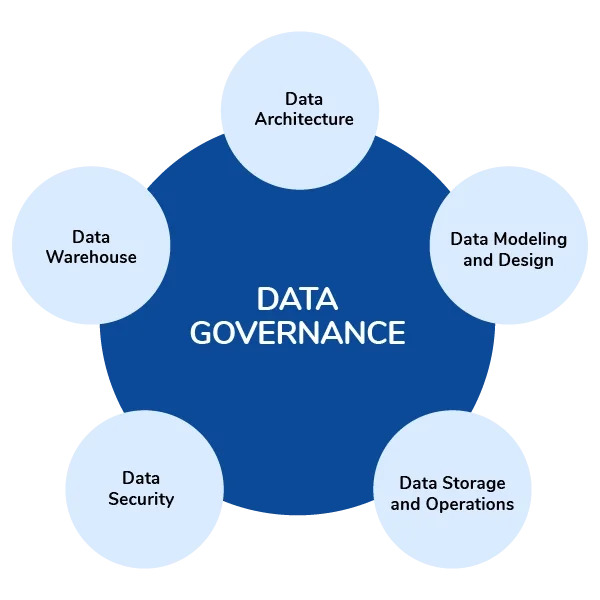
As data becomes more central to business operations and strategy, companies need a structured approach to manage it effectively. This article explores how to design and implement a successful master data governance strategy that ensures data is accurate, consistent, secure, and accessible across the enterprise.
A well-defined strategy begins by identifying critical data domains such as customers, products, suppliers, and assets. These data domains form the foundation of core business processes—impacting everything from procurement and inventory management to customer experience and regulatory compliance. Without a clear understanding of what data is critical and how it flows through systems, governance efforts can quickly become fragmented and ineffective.
Once the key domains are established, the next step is to incorporate essential governance components. This includes assigning data ownership and stewardship responsibilities, establishing clear policies for data usage and access, and setting validation rules to enforce data quality. An effective master data governance strategy also requires a compliance framework to ensure that data practices align with legal and regulatory requirements, such as GDPR, HIPAA, or industry-specific mandates.
A central governance council or committee should be formed to oversee and guide these initiatives. This body brings together stakeholders from across the business and IT to define data standards, resolve conflicts, and monitor performance. The council should be empowered to make strategic decisions and ensure organization-wide alignment on governance goals.
Technology also plays a critical role. The deployment of modern tools—such as data catalogs, metadata repositories, workflow engines, and data quality platforms—helps automate and streamline governance processes. These tools provide visibility into data lineage, track data quality metrics, and ensure accountability across departments.