


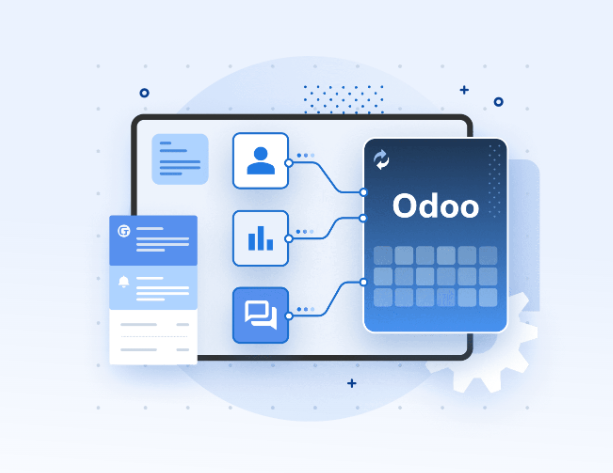
In today’s fast-paced digital economy, enterprise resource planning (ERP) systems like Odoo have become the backbone of operational efficiency for businesses across the United States. As companies increasingly embrace Odoo to streamline everything from inventory to customer relationship management (CRM), the need for robust integration solutions becomes paramount. But here lies a crucial decision point for U.S. businesses: should they invest in custom Odoo integrations or rely on off-the-shelf connectors?
This article delves into the core differences between custom and off-the-shelf Odoo integrations, weighing their pros and cons, and offering practical guidance for companies seeking to make the best decision. Whether you're a startup, a mid-size enterprise, or a growing e-commerce brand, understanding the nuances of both options will help you navigate the integration landscape with confidence.
Understanding Odoo Integrations
Before diving into the comparison, let’s quickly define what Odoo integration entails. Odoo is a modular ERP platform offering a vast ecosystem of applications for business functions like accounting, HR, marketing, and manufacturing. However, few companies rely solely on Odoo; they often use other tools such as QuickBooks, Shopify, Salesforce, or custom-built software. Integration ensures these disparate systems can “talk” to each other, exchange data, and function cohesively.
There are two primary ways to achieve this:
Custom Odoo Integrations: Pros and Cons
Advantages
Disadvantages
Off-the-Shelf Odoo Integrations: Pros and Cons
Advantages
Disadvantages
Key Considerations for U.S. Businesses
1. Industry-Specific Needs
Companies in healthcare, manufacturing, or e-commerce often face highly specialized requirements. For example, a Durable Medical Equipment (DME) provider may need to integrate Odoo with Medicare billing systems—a use case unlikely to be covered by off-the-shelf connectors.
2. Regulatory Compliance
U.S. companies must consider legal compliance at every stage of their software ecosystem. Custom integrations allow for security features like encryption, audit trails, and data access controls tailored to U.S. laws.
3. Total Cost of Ownership (TCO)
While off-the-shelf solutions appear cheaper upfront, the long-term cost of limitations, workarounds, and vendor lock-in can add up. Custom integrations may cost more initially but can yield significant savings over time through improved efficiency and reduced manual work.
4. IT Team Capability
Companies with a strong in-house development team may opt for custom Odoo integration, while businesses without technical resources may prefer off-the-shelf connectors for ease of deployment.
When to Choose Custom Odoo Integration
When to Choose Off-the-Shelf Odoo Integration
The Hybrid Approach: Best of Both Worlds
Some U.S. businesses are finding success with a hybrid approach: starting with off-the-shelf integrations to gain quick functionality and gradually migrating to custom solutions as they grow. This allows for faster time to value without sacrificing long-term flexibility.
Partnering with Odoo Experts in the USA
No matter which path you choose, the success of your integration project often depends on choosing the right implementation partner. Experienced consultants who specialize in odoo integration services in USA can guide you through the planning, execution, and maintenance stages—ensuring your business gets the most out of its investment.
A reliable partner will:
Final Thoughts
Odoo integration is a strategic investment that can significantly impact your business efficiency, customer experience, and bottom line. The choice between custom and off-the-shelf solutions isn’t just a technical one—it’s about aligning your integration approach with your business vision, operational needs, and growth plans.
Custom Odoo integrations offer unparalleled flexibility and control, making them ideal for businesses with unique requirements or ambitious scaling goals. On the other hand, off-the-shelf connectors provide a quick and affordable way to bridge systems, especially for smaller companies or startups.
Whatever your choice, make it with a clear understanding of your needs and the future you envision for your business. And don’t hesitate to leverage trusted odoo integration services in USA to turn that vision into reality.

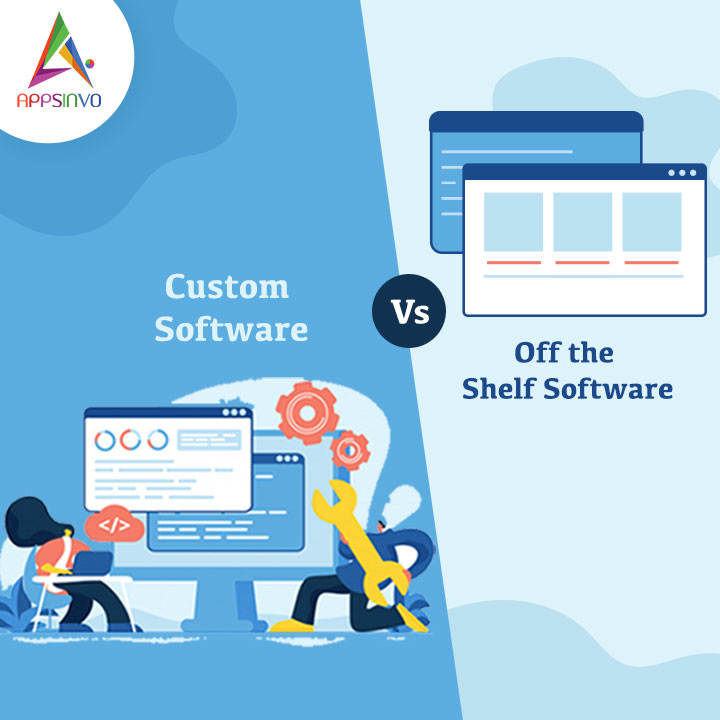
The software we developed is for fulfilling some particular needs of businesses or an organization.
This type of software is known as tailored or bespoke software as it shows the customized development method and service improvement.
Read More at : https://www.appsinvo.com/blog/things-need-to-know-about-custom-software-vs-off-the-shelf/Follow Us onAppsinvo | Behance | Facebook | Instagram | Linkedin | Dribbble | Twitter | Tumblr | Pinterest | Flickr

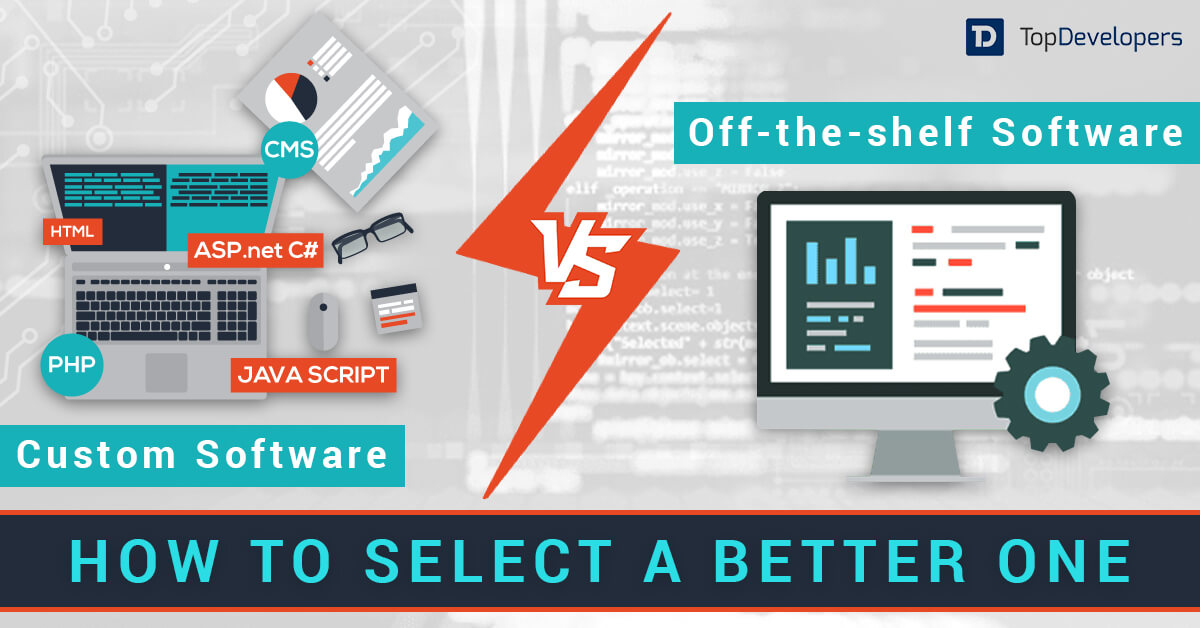
Custom Software or Off-the-shelf software, the question in mind for many business personnel.
Read this blog to get help to make the right decision that will benefit your business.For a business that wants to upgrade and modernize itself with the help of software, a common dilemma it is whether to go for custom-made software or opt for off-the-shelf software.
You can find many top software development companies worldwide, but before that all, you should first decide the type of software –an off-the-shelf software or a custom one.This blog aims to overcome the dilemma and accord some clarity to a business looking to automate its business processes.