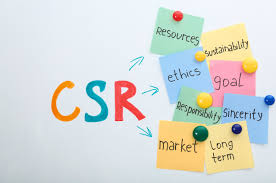
In today’s rapidly evolving business environment, companies are no longer measured solely by their profits. They are increasingly evaluated by how responsibly they operate and how they contribute to society. This is where CSR initiatives, or Corporate Social Responsibility initiatives, come into play.CSR initiatives are the voluntary efforts taken by companies to address social, environmental, and economic issues. These efforts go beyond legal obligations and aim to create a positive impact on society while aligning with the company’s core values and business goals. In this blog, we will explore what CSR initiatives are, why they matter, and how businesses can effectively implement them.
What Are CSR Initiatives?
CSR initiatives refer to the structured programs or actions taken by businesses to fulfill their responsibility toward society and the environment. These actions can range from reducing carbon emissions, supporting education, promoting healthcare, uplifting underprivileged communities, to promoting ethical labor practices.For instance, a tech company may launch a digital literacy program for rural youth, or a manufacturing firm might implement eco-friendly waste disposal methods. Such activities fall under the umbrella of CSR initiatives.
Importance of CSR Initiatives in Today’s World
CSR initiatives are no longer optional — they are a business imperative. Here’s why:Builds Brand Reputation: Companies known for their strong CSR practices enjoy better public perception. A well-executed CSR strategy can build trust and loyalty among customers and stakeholders.
Boosts Employee Morale: Employees are more motivated and loyal when they know their company cares about social issues. CSR initiatives related to employee welfare and community development often lead to increased job satisfaction.
Attracts Investors and Partners: Responsible investing is on the rise. Investors are looking for companies that not only deliver financial returns but also have a positive social impact.
Ensures Regulatory Compliance: In countries like India, CSR spending is mandated by law for certain businesses. Companies with net worth, turnover, or profits above a threshold must invest a minimum percentage in CSR activities.
Types of CSR Initiatives
CSR initiatives can be categorized based on their focus areas. Here are a few common types:
Environmental CSR: Focuses on sustainability, energy efficiency, waste management, and reducing carbon footprint.
Educational Initiatives: Includes scholarships, school infrastructure development, digital education, and skill development programs.
Healthcare Programs: Encompasses health camps, medical aid, sanitation facilities, and maternal health initiatives.
Community Development: Involves improving local infrastructure, housing, and access to clean water and electricity.
Employee Welfare: Includes diversity and inclusion programs, work-life balance initiatives, and safe working conditions.
Examples of Successful CSR Initiatives
Several well-known companies have set benchmarks with their impactful CSR programs:
Tata Group: Through the Tata Trusts, they have undertaken projects in health, education, water conservation, and rural upliftment.
Infosys Foundation: Actively supports education, healthcare, rural development, and arts and culture across India.
ITC Limited: Their e-Choupal initiative is a digital platform that empowers farmers with information and access to markets.
These examples show how CSR activities can align with business models and still make a measurable difference in society.
Implementing Effective CSR Initiatives
Implementing CSR initiatives requires more than just good intentions. Here are some tips for businesses:Align with Core Values: Ensure the initiative resonates with your company’s mission and values.
Set Clear Goals: Have measurable objectives, such as reaching a certain number of beneficiaries or reducing a specific amount of waste.
Collaborate with NGOs: Partnering with experienced organizations can help in executing projects more effectively.
Monitor and Evaluate: Regularly assess the impact of your CSR programs and make improvements where necessary.
Engage Employees: Encourage your staff to participate in CSR activities. This boosts engagement and drives internal commitment.
The Future of CSR Initiatives
As the world moves toward more sustainable and inclusive growth, the scope of CSR is expanding. With increasing awareness around issues like climate change, gender equality, and digital inclusion, companies will need to innovate and scale their CSR efforts.Moreover, stakeholders now expect transparency and accountability. Publishing CSR reports, showcasing impact stories, and integrating ESG (Environmental, Social, and Governance) principles are becoming standard practices.
Final Thoughts
CSR initiatives are not just about philanthropy — they are about creating long-term value for both society and the business. Companies that invest in genuine and impactful CSR efforts are likely to thrive in today’s conscious consumer market.By embracing responsible practices, organizations not only contribute to nation-building but also position themselves as leaders of positive change. As CSR continues to evolve, businesses must think beyond compliance and focus on creating sustainable and inclusive growth for all.




Rock And Storm Strongly Believes And Advocates Responsible Drinking And Bottling Unit Plant in India is the Driving Force Behind Various Initiatives That Make Our CSR Policy Very Strong.