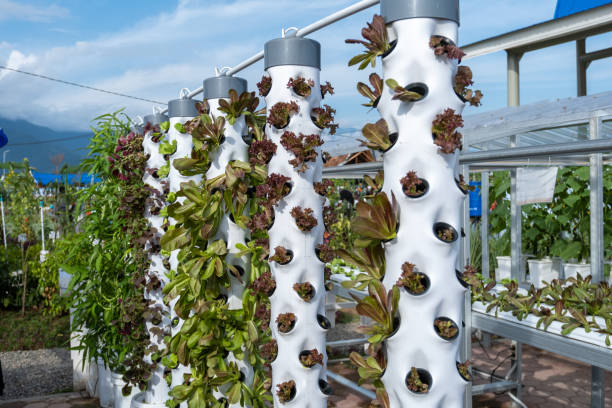
Understanding the Science Behind Aeroponic Tower Gardens
Gardening has evolved beyond traditional soil beds, and one of the most remarkable developments is the aeroponic tower garden. This soil-less method allows plants to thrive by suspending their roots in air and misting them with nutrient-rich water on precise schedules. As a result, plants gain unprecedented access to oxygen and nutrients, leading to accelerated growth compared to conventional methods.
What Makes Aeroponic Tower Gardens Different From Hydroponic Tower Gardens?
- While both aeroponic tower garden and hydroponic tower garden techniques eliminate soil, the primary difference lies in how plant roots receive nutrients:
- Hydroponic Tower Garden: Roots are immersed or periodically flooded in nutrient solution.
- Aeroponic Tower Garden: Roots are suspended in air and misted intermittently with nutrient solution.
- The exposure to air in aeroponic systems promotes better root respiration, reducing issues such as root rot and improving overall plant health.
How Does an Aeroponic Tower Function?
- An aeroponic tower garden consists of several key components:
- A reservoir filled with nutrient-rich water.
- A water pump that pushes the solution upward through the tower.
- Vertically stacked plant chambers where roots hang freely.
- A timer to regulate misting intervals.
- Optional LED grow lights for indoor setups.
- The nutrient solution cycles in a closed-loop system, reducing water waste and ensuring roots receive constant oxygen exposure between misting cycles.
Why Choose an Aeroponic Tower Garden Over Traditional or Hydroponic Systems?
Increased Growth Rate
Plants grown in aeroponic towers have been shown to grow up to three times faster than those grown in soil, and even faster than in other hydroponic setups. This speed stems from improved oxygen uptake and efficient nutrient absorption.
Water Conservation
Closed-loop aeroponic systems use significantly less water, making them ideal for regions with limited water availability.
Space Optimization
Aeroponic towers enable vertical farming, fitting dozens of plants in small spaces — ideal for apartments, balconies, or indoor use.
Reduced Disease Risk
Suspended roots avoid contact with soil-borne pathogens, decreasing the chance of root diseases and the need for chemical interventions.
Plants Best Suited for Aeroponic Tower Gardens
Leafy greens and herbs are excellent candidates for aeroponic tower due to their relatively small root systems and quick growth cycles. However, many fruiting plants like tomatoes and cucumbers can also be cultivated successfully with proper support.
Essential Tips for Maintaining Your Aeroponic Tower Garden
- Regularly test pH and nutrient concentration in your reservoir.
- Maintain the reservoir water level to keep the pump submerged.
- Adjust watering frequency based on temperature and plant growth stage.
- Use supplemental lighting indoors for optimal photosynthesis.
- Clean the tower and reservoir periodically to prevent buildup and algae growth.
Hydroponic Tower Garden: Complementary Yet Distinct
While aeroponic towers provide plants with intermittent misting and air exposure, hydroponic tower garden typically flood roots with nutrient solutions. Both systems offer space-saving vertical designs and soil-free growing, but aeroponics provides a slight edge in oxygen delivery and water efficiency.
Conclusion: Discover the Advantages of Aeroponic Tower Gardens with ALTO Garden
In the quest for sustainable, space-efficient, and fast-growing food production, the aeroponic tower garden stands out as a superior technology. Its ability to combine rapid growth, water savings, and vertical design makes it perfect for modern urban environments and indoor farming.
With ALTO Garden innovative systems, gardeners and growers alike can experience the future of agriculture today—growing fresh, healthy plants faster and more efficiently than ever before.