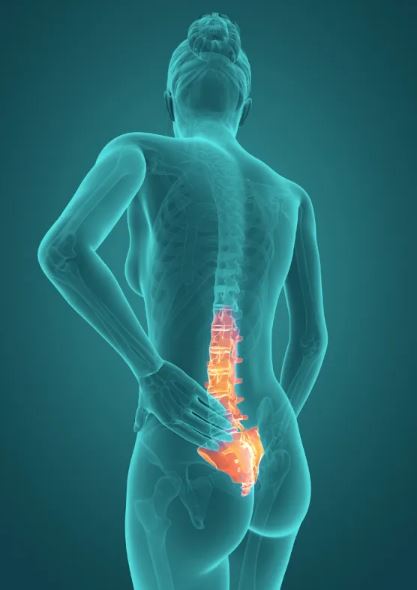



Stretching not only eases discomfort but also strengthens the spine's supporting structures, promoting long-term relief and mobility.
Why Stretching Works for Back Pain
Proper stretching helps in several powerful ways:
- Relieves muscle tension: Tight muscles in the lower back, hamstrings, or hips can pull on the spine and worsen pain.
- Improves flexibility: Greater range of motion helps your body move more freely and reduces injury risk.
- Enhances blood flow: Increased circulation delivers nutrients to soft tissues, speeding up healing.
- Rebalances posture: Targeted stretches can correct imbalances from prolonged sitting or poor ergonomics.
Together, these benefits make stretching a natural and sustainable form of non-surgical back pain treatment.
Best Stretches for Back Pain Relief
Here are some gentle, evidence-backed stretches to add to your routine:
- Child’s Pose: Elongates the spine and reduces lower back tension
- Cat-Cow Stretch: Enhances spinal flexibility and warms up muscles
- Knee-to-Chest Stretch: Loosens tight hip and lower back muscles
- Hamstring Stretch: Releases tension in the legs that can strain the lower back
- Piriformis Stretch: Targets deep gluteal muscles linked to sciatica-like symptoms
Always warm up your body before stretching and hold each pose for 20–30 seconds. Never stretch into sharp pain.
Stretching as Part of a Broader Treatment Plan
While stretching is a key component of non surgical back pain treatment, it’s most effective when combined with other strategies like:
- Physical therapy
- Core strengthening exercises
- Ergonomic adjustments at work/home
- Anti-inflammatory nutrition and hydration
Healthcare providers often recommend customized stretching plans based on your pain type, lifestyle, and flexibility level.
Stretching is not just a warm-up—it’s a powerful tool for healing. If you're seeking a non-surgical back pain treatment that’s accessible, affordable, and rooted in science, start by building a daily stretching habit. Your spine will thank you.