


The Evolution of Test-Driven Development in the Future of Software Testing
Test-driven development (TDD) has long been a cornerstone of software testing practices. Its fundamental principle, writing tests before the actual code, ensures that software development is aligned with the intended outcomes from the onset. As the world becomes more digitally interconnected, the future of TDD is poised for significant evolution. With the rise of agile methodologies and continuous integration/continuous deployment (CI/CD) pipelines, TDD will likely become even more integral to the software development lifecycle.
In the future, TDD will likely expand beyond traditional programming languages and environments. With the proliferation of microservices and containerized applications, TDD will need to adapt to test these distributed systems effectively. This evolution will involve developing new frameworks and tools that can seamlessly integrate into modern development environments, ensuring that TDD continues to provide value in a rapidly changing technological landscape.
Moreover, as software becomes increasingly complex, there will be a growing need for more sophisticated test cases that can handle intricate logic and dependencies. This will necessitate a shift towards more automated test generation techniques, leveraging advancements in artificial intelligence and machine learning to create robust and comprehensive test suites.
As the future unfolds, TDD will also need to address the challenges posed by the increasing diversity of platforms and devices. The rise of mobile computing, wearables, and edge devices demands that TDD frameworks evolve to accommodate these varied environments. This will involve creating adaptable testing strategies that can seamlessly transition across different platforms, ensuring consistent quality and performance.
Furthermore, the future of TDD will likely see an increased emphasis on collaboration and communication within development teams. As agile practices continue to gain traction, cross-functional teams will need to work closely together to ensure that testing is integrated throughout the development process. This collaborative approach will foster a culture of shared responsibility for quality, leading to more efficient and effective testing practices.
IoT Testing Advancements in a Connected World
The Internet of Things (IoT) is revolutionizing the way we interact with technology, and its impact on software testing is profound. As IoT devices become more prevalent, the need for specialized testing frameworks and methodologies is paramount. IoT testing presents unique challenges, such as ensuring interoperability, security, and performance across a diverse range of devices and networks.
Future advancements in IoT testing will focus on addressing these challenges. One key area of development will be the creation of standardized testing protocols that can be applied across different IoT ecosystems. This will involve collaboration between industry stakeholders to define common testing criteria and benchmarks, ensuring that IoT devices meet the necessary standards for reliability and security.
Additionally, IoT testing will increasingly rely on simulation and emulation techniques to replicate real-world scenarios. This will enable testers to assess how devices perform under various conditions, such as fluctuating network connectivity or extreme environmental factors. By leveraging these advanced testing methodologies, organizations can ensure that their IoT solutions are robust and capable of delivering seamless user experiences.
As IoT continues to expand, the sheer number of devices and connections will necessitate the development of scalable testing solutions. Traditional testing methods may struggle to keep pace with the volume and complexity of IoT systems, leading to the emergence of new tools and techniques designed to handle large-scale testing. This will include the use of cloud-based testing environments and distributed testing infrastructures that can efficiently manage the testing process.
Moreover, IoT testing will need to address the growing importance of data privacy and security. As more personal data is collected and transmitted by IoT devices, ensuring the protection of this information becomes paramount. Future testing strategies will need to incorporate robust security assessments and vulnerability testing to safeguard user data and prevent unauthorized access.
AI-Driven Testing Tools: The Next Frontier in Software Quality Assurance
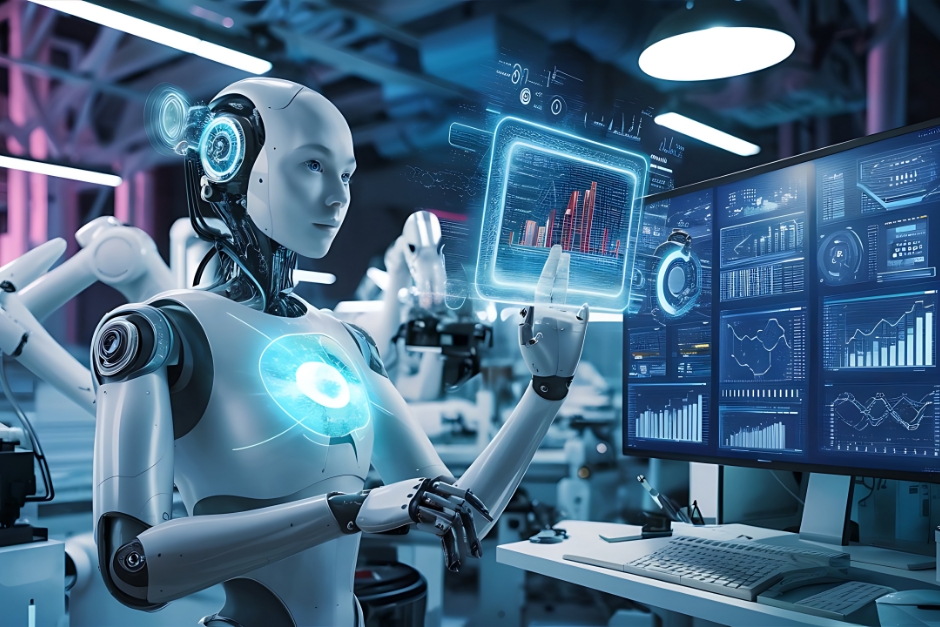
Artificial intelligence (AI) is transforming the landscape of software testing, offering new possibilities for enhancing quality assurance processes. AI-driven testing tools are capable of automating repetitive tasks, analyzing vast amounts of data, and identifying patterns that would be difficult for human testers to discern. This not only improves the efficiency of testing processes but also enhances the overall quality of software products.
In the future, AI-driven testing tools will become more sophisticated, incorporating advanced machine learning algorithms to predict potential defects and vulnerabilities. These tools will be able to generate intelligent test cases, adapt to changes in the software environment, and provide real-time insights into the health of the application. This level of automation and intelligence will enable organizations to deliver high-quality software at a faster pace, meeting the demands of an increasingly competitive market.
Furthermore, AI-driven testing tools will facilitate continuous testing throughout the software development lifecycle. By integrating with CI/CD pipelines, these tools will provide instant feedback on code changes, allowing developers to address issues promptly and maintain a high standard of quality. This shift towards continuous testing will be instrumental in supporting agile development practices and ensuring that software products are always ready for deployment.
As AI-driven testing tools evolve, they will also become more adept at handling complex testing scenarios. This includes the ability to test applications with dynamic interfaces, adaptive algorithms, and real-time data processing. By leveraging AI's capacity to analyze and learn from vast datasets, these tools can provide insights into the performance and behavior of applications under various conditions, ensuring optimal functionality.
Moreover, the future of AI-driven testing tools will likely see a greater emphasis on collaboration between AI systems and human testers. While AI can automate many aspects of testing, human intuition and creativity remain essential for identifying edge cases and exploring unanticipated scenarios. By combining the strengths of AI with human expertise, organizations can achieve a comprehensive approach to software quality assurance.
Embracing Change: The Role of Human Testers in the Future of Software Testing
While technological advancements are reshaping the field of software testing, the role of human testers remains crucial. As automation and AI-driven tools become more prevalent, human testers will need to adapt their skills and focus on areas where human intuition and creativity are indispensable. This includes exploratory testing, usability assessments, and the identification of edge cases that automated tools may overlook.
In the future, human testers will play a pivotal role in designing and overseeing the implementation of testing strategies. Their expertise will be essential in interpreting the results generated by AI-driven tools and making informed decisions based on these insights. By combining the strengths of human testers with the capabilities of advanced testing technologies, organizations can achieve a holistic approach to software quality assurance.
Moreover, as the software testing landscape evolves, there will be a growing need for continuous learning and upskilling among testers. Staying abreast of the latest trends, tools, and methodologies will be vital for testers to remain relevant and contribute effectively to software development projects. Organizations will need to invest in training programs and provide opportunities for testers to expand their knowledge and expertise.
As the future of software testing unfolds, human testers will also need to embrace new roles and responsibilities. This includes becoming advocates for quality within development teams, championing best practices, and ensuring that testing remains a priority throughout the project lifecycle. By fostering a culture of quality, human testers can help organizations deliver software that meets the highest standards of performance and reliability.
Additionally, human testers will play a crucial role in bridging the gap between technology and end-users. Their ability to empathize with users and understand their needs will be invaluable in ensuring that software products deliver meaningful and engaging experiences. By focusing on user-centric testing, human testers can help organizations create solutions that resonate with their target audience.
Conclusion: Navigating the Future of Software Testing Services
The future of software testing services is marked by exciting possibilities and challenges. As the digital landscape continues to evolve, testing practices must adapt to meet the demands of increasingly complex and interconnected systems. By embracing advancements in test-driven development, IoT testing, and AI-driven tools, organizations can ensure that their software products meet the highest standards of quality and reliability.
Ultimately, the success of software testing in a digitally transforming world will depend on the collaboration between human testers and cutting-edge technologies. By leveraging the strengths of both, organizations can navigate the future of software testing with confidence, delivering innovative solutions that meet the needs of users in an ever-changing digital landscape.
As the industry continues to evolve, organizations must remain agile and open to change. By fostering a culture of innovation and continuous improvement, they can stay ahead of the curve and deliver software solutions that drive success in a digitally transforming world. Embracing the future of software testing is not just about adopting new technologies; it's about reimagining the way we approach quality assurance and creating a brighter future for software development.