


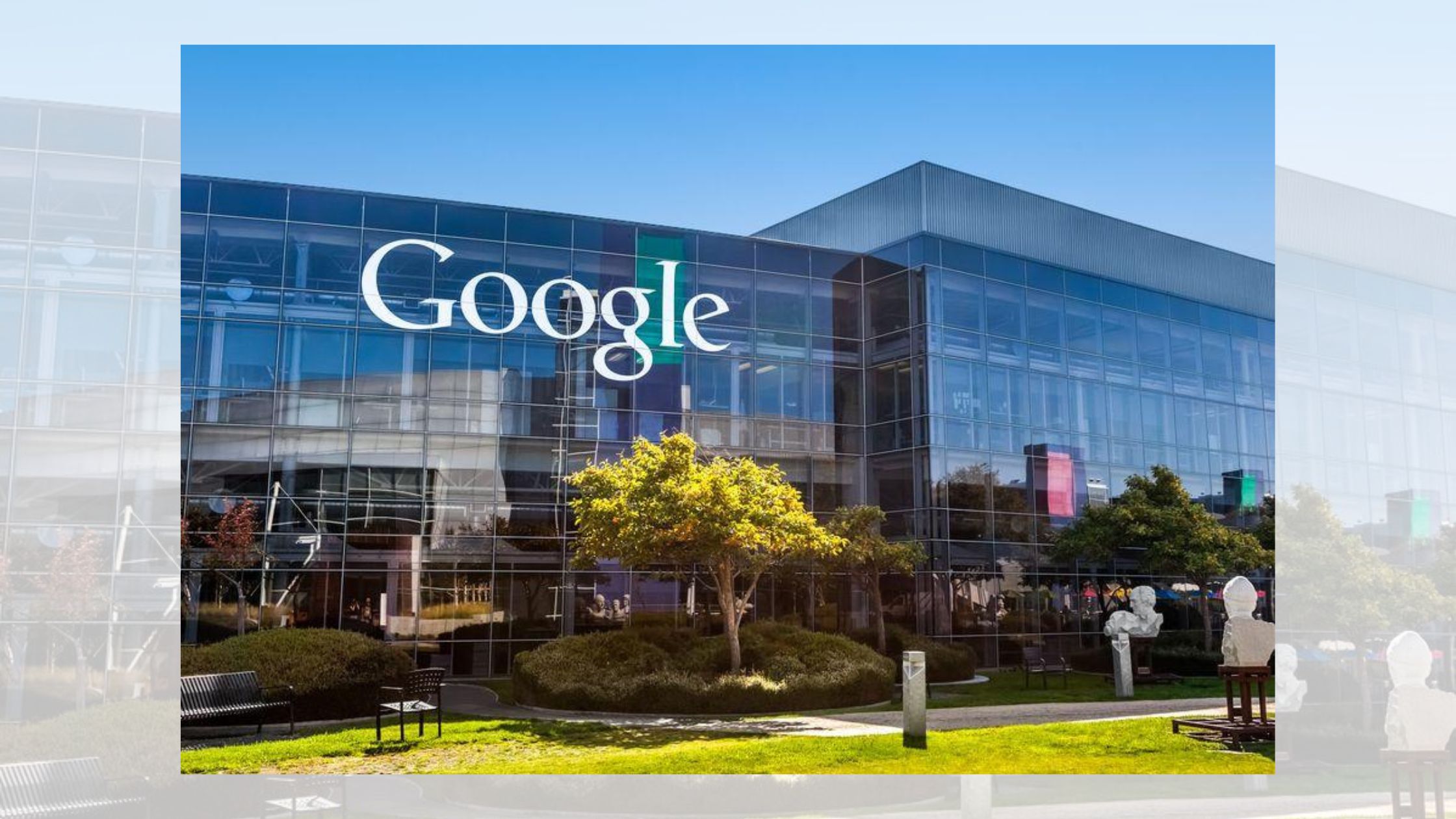
Success stories are often romanticized, but when we look closely, they hold practical lessons that can guide aspiring entrepreneurs. The journey of Google founders Larry Page and Sergey Brin isn’t just about coding brilliance, it’s about strategy, timing, protection of ideas, and navigating the complex world of invention. Whether you’re tinkering with a new product or dreaming up the next big thing, their path offers insights worth unpacking.
1. Big Ideas Need Smart Validation
Every entrepreneur believes in their idea, but belief alone isn’t enough. Page and Brin began with Backrub, a simple idea that evolved into the powerful Google search engine. Yet not every idea gets that far. One crucial takeaway? Not all ideas are worth pursuing. Entrepreneurs must be willing to test, validate, and even abandon ideas that lack true potential.
This is where invention help companies come into play. They assist with initial evaluations, prototype development, and industry research to see if the invention is even viable. These services help entrepreneurs avoid wasting time and money on something that won’t make it past the concept stage.
2. Protect What You Build
The Google founders didn’t just build a product, they protected it. Larry and Sergey filed a patent for their PageRank technology, a foundational step in safeguarding their innovation. Too many new inventors skip this part, only to watch their ideas get copied or stolen.
Getting a patent doesn't mean you're guaranteed success, but it does secure your rights. It's the first real defense against infringement. Also, remember that securing a patent is only the beginning. Licensing your invention to a company with resources and market access can help you grow without having to do everything alone.
3. Don’t Get Caught in Fraud
One of the harsh truths about the invention world? It’s full of sharks. While legitimate invention help companies exist, fraud is rampant. Many firms promise licensing deals and market success without any real plan or resources. They make bold guarantees but fail to deliver.
Be skeptical of companies that ask for large upfront fees and promise overnight success. Do your homework. Check for real testimonials, Better Business Bureau ratings, and whether they have documented results. Learning from mistakes in the industry will help you avoid being taken for a ride.
4. License Strategically
Licensing is a powerful path for inventors who prefer to let others take the product to market. It’s what sets many startups apart, focusing on innovation while letting a licensee handle the manufacturing and distribution. The Google founders didn’t license their core technology in the early stages, but they made strategic partnerships (like with Stanford and later investors) that allowed them to scale quickly.
For solo inventors, licensing is the bridge between idea and commercialization, without the burden of full-time entrepreneurship. It also reduces risk while allowing your invention to generate passive income.
5. Trust Help, But Choose Wisely
Let’s face it, most first-time inventors aren’t patent lawyers or market analysts. Getting professional help is often necessary, and that’s perfectly okay. But you need to choose the right kind of help. A trustworthy invention help company should offer patent research, prototype support, industry insight, and clear communication. They should also tell you, honestly, if your idea isn’t likely to succeed.
That kind of honesty is priceless.
Learn, Protect, and Act Wisely
The journey of the Google founders shows that innovation, when matched with strategy and protection, can change the world. But behind every successful startup is a story of careful steps, validating ideas, securing patents, making smart partnerships, and avoiding fraud.
If you have a new invention or an idea and need honest, professional support to evaluate its potential, protect it, and possibly move it forward, consider working with a trusted company like AON Invent. Their team can help you make informed decisions before you dive in too deep.
Start smart. Protect what matters.



Male founders, as far as you know, make up the bulk of companies, from your modern-day transportation company to the folks down the street trying to rethink the software that underpins fast food delivery.
However, the wheel of fortune is now turning backwards, as women are increasingly establishing an increasing number of companies.
The Importance of Female Entrepreneurs in FinanceThis long-standing imbalance is being addressed slowly but gradually.
The growing number of female entrepreneurs acts as an excellent example for those women interested in entering the startup sector.
The good news is that, in addition to men's contributions, the number of female founders is steadily rising.
In most countries, women own far fewer businesses than males.