India is a tapestry of cultures, and one of the most expressive aspects of this cultural diversity is its clothing. From elaborate bridal ensembles to everyday festive wear, Indian fashion is deeply symbolic and rich in heritage. But within this vibrant world of Indian apparel, two terms often surface and are mistakenly used interchangeably—ethnic wear and traditional wear.
So, what exactly is the difference between the two?
Understanding the nuances between ethnic and traditional wear is essential not just for style-conscious individuals but also for anyone looking to connect with India’s vast and varied cultural legacy. Let’s break it down.
What is Traditional Wear?
Traditional wear refers to clothing that is deeply rooted in the customs and heritage of a particular region or community. These garments are typically worn during religious ceremonies, festivals, and life milestones like weddings or pujas. They are preserved across generations and are often considered a symbol of respect and adherence to cultural norms.
For instance:
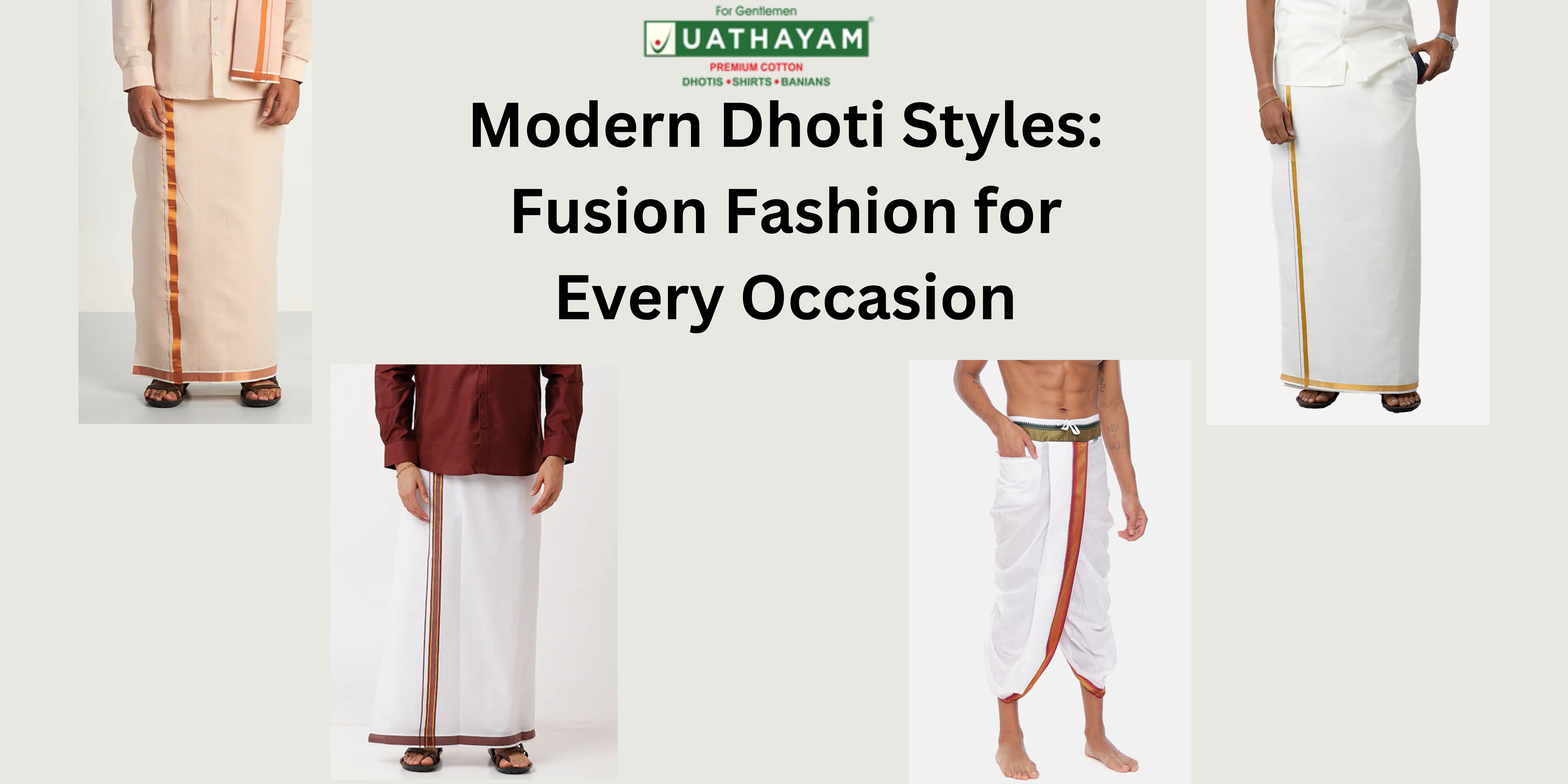
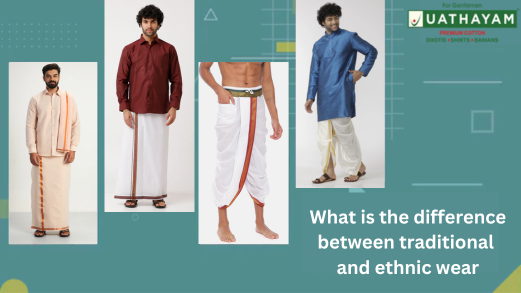
- Dhotis, worn across South India, particularly in Tamil Nadu, are a quintessential piece of traditional wear. They represent simplicity, dignity, and tradition.
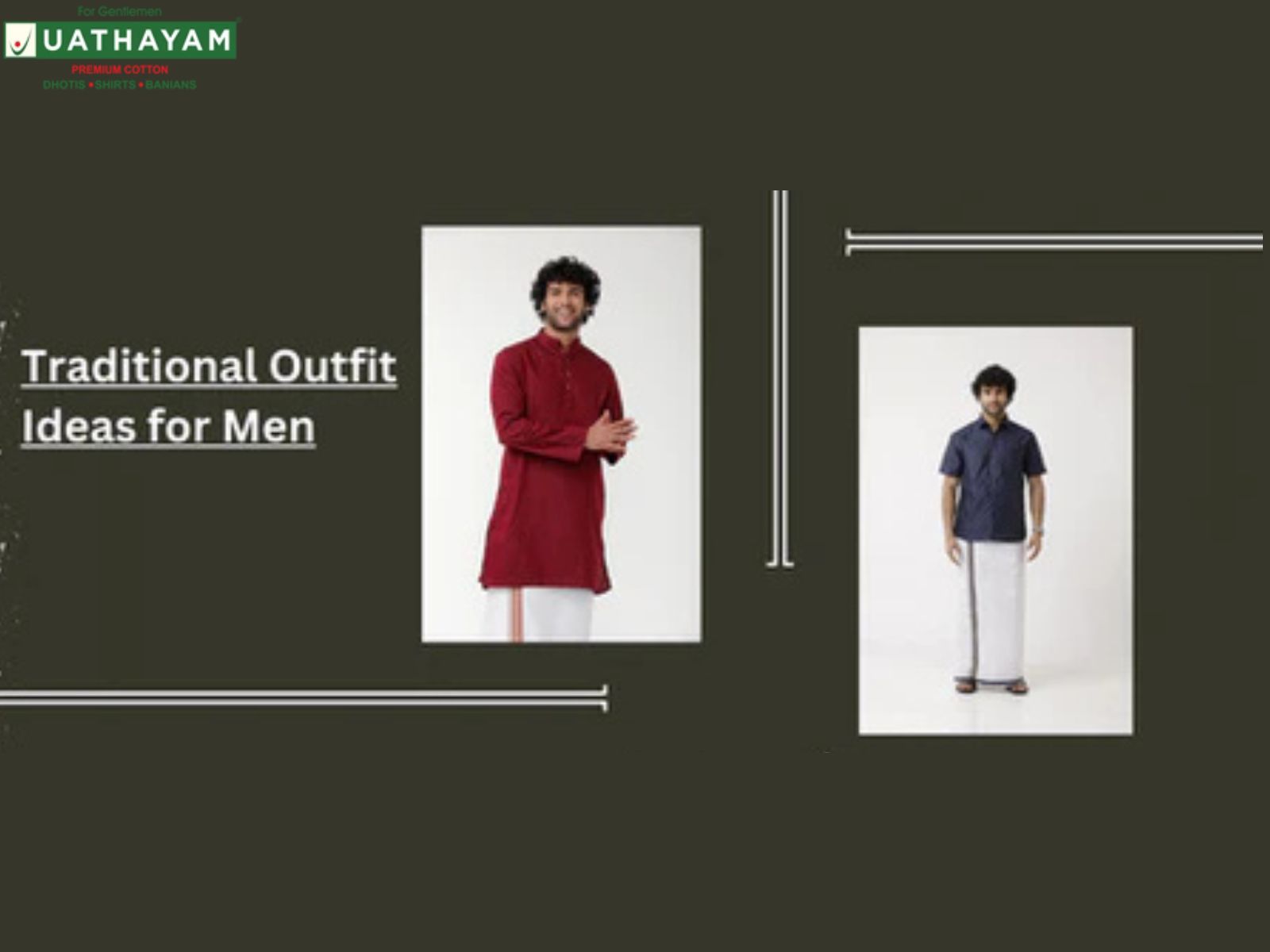
- In Bengal, men traditionally wear a kurta with dhoti during Durga Puja.
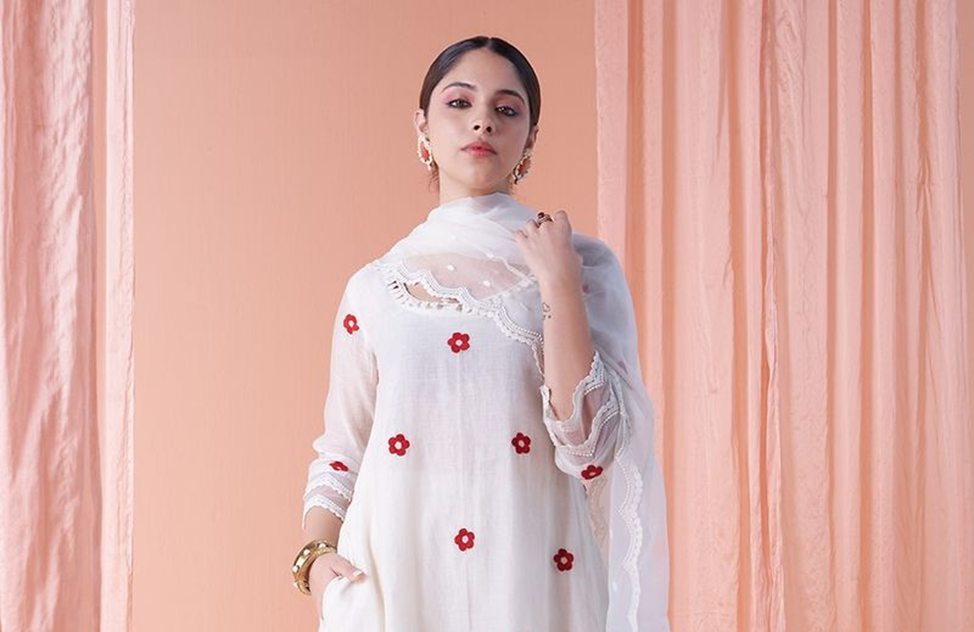
- Women’s traditional wear varies from state to state—think Paithani sarees in Maharashtra or Mekhela Chador in Assam.
These clothes are often handcrafted, made from region-specific fabrics, and feature culturally significant motifs or weaving techniques.
Characteristics of Traditional Wear:
- Culturally bound and region-specific
- Worn during religious and cultural events
- Made with traditional materials like cotton, silk, or handloom
- Reflect ancestral craftsmanship
What is Ethnic Wear?
Ethnic wear, while inspired by traditional garments, is a more modern and inclusive category of Indian fashion. Ethnic wear encompasses garments that carry elements of traditional design but are adapted for contemporary usage, materials, and styles.
Think of ethnic wear as a fusion of old-world charm and modern-day functionality. These outfits are typically worn at weddings, festivals, office parties, and cultural events but don’t necessarily adhere strictly to traditional norms.
Examples of ethnic wear include:
- Designer silk shirt for men tailored for formal occasions.
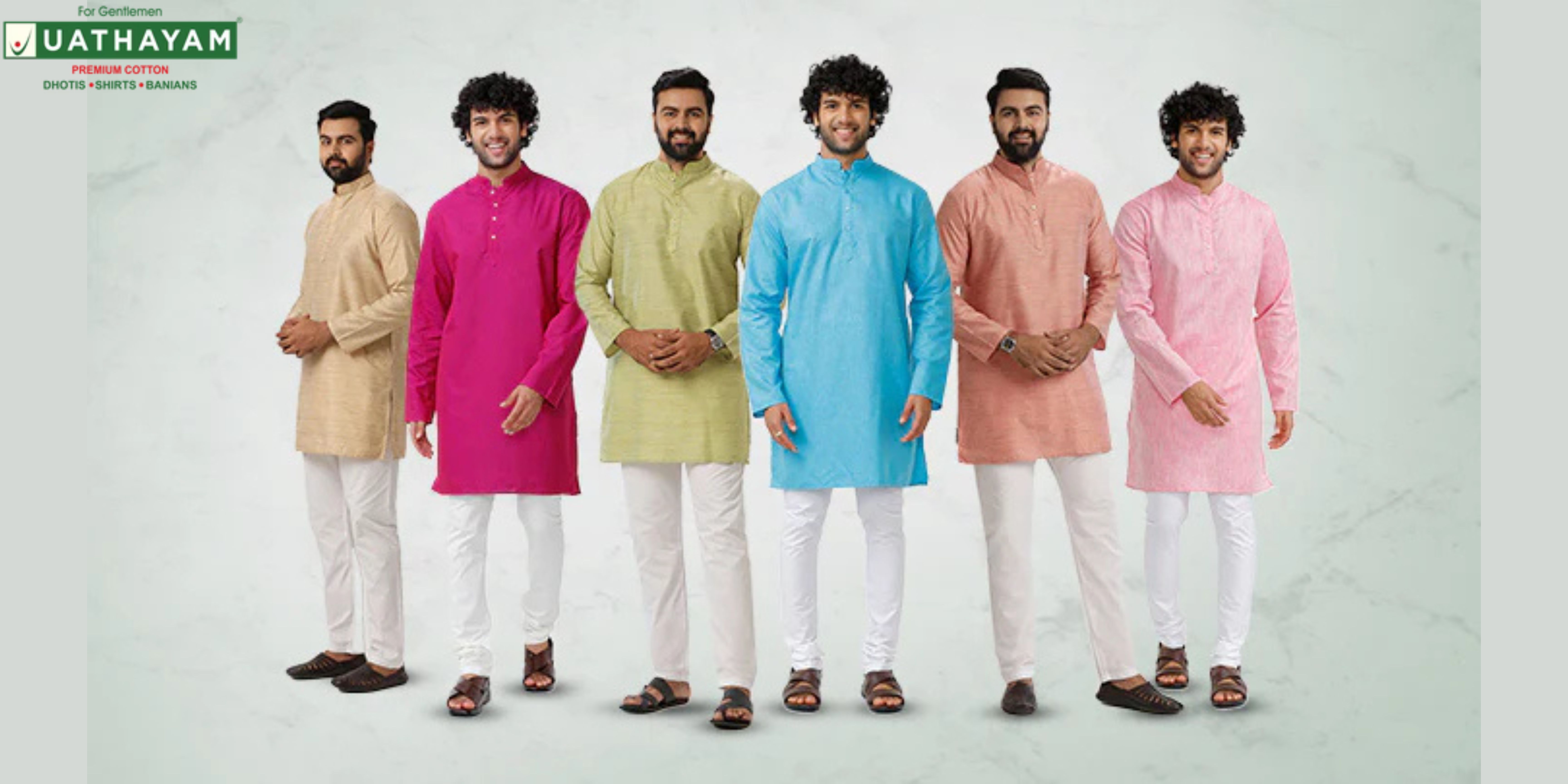
- Indo-western jackets layered over a silk kurta for men.
- Linen shirts with Indian embroidery.
- Kurtas for men in trendy prints or with asymmetrical cuts, often paired with jeans or churidars.
Characteristics of Ethnic Wear:
- Adaptable and versatile
- Less rigid in cultural specificity
- Often worn for style, not just tradition
- Appeals to both younger and older generations
Examples to Illustrate the Difference
Let’s say a man is preparing for two events:
- Event 1: A religious ceremony at home. He might choose to wear a dhoti and an angavastram, as per the traditional customs of Tamil Nadu.
- Event 2: A Diwali party at work. He could go for a stylish kurta for men paired with slim-fit trousers or even a silk shirt for men for an Indo-modern appeal.
Both outfits reflect Indian culture, but one is rooted in tradition, while the other leans into ethnic fusion.
The Evolution of Indian Men’s Fashion
Indian menswear has evolved significantly over the past few decades. Today’s men want garments that are stylish yet rooted in identity. That’s where ethnic wear shines—it respects tradition while speaking to modern tastes.
For instance, the increasing popularity of the silk kurta for men shows a growing interest in elegant, festive attire that’s both timeless and trendy. Similarly, kurtas for men have become wardrobe essentials not just for festivals, but for everyday cultural wear that makes a subtle statement.
And of course, classics like dhotis continue to hold ceremonial significance, symbolizing grace and heritage in their purest form.
Why This Distinction Matters
Understanding the difference between ethnic and traditional wear allows you to make better wardrobe choices, especially when selecting attire for different occasions. It’s also important for fashion brands, designers, and retailers who wish to cater to an audience that is both culturally rooted and style-conscious.
Want to explore this topic in even more detail? Check out our in-depth article here: 👉 What Is The Difference Between Ethnic Wear and Traditional Wear in India
Final Thoughts
In the vibrant spectrum of Indian fashion, both traditional and ethnic wear have a rightful place. While traditional wear connects us to our roots and rituals, ethnic wear helps us express our identity in contemporary ways. Together, they form the foundation of a wardrobe that is elegant, meaningful, and unmistakably Indian.
Whether you’re embracing the simplicity of dhotis, the charm of kurtas for men, or the elegance of a silk shirt for men, your attire can be more than just clothing—it can be a celebration of culture and self-expression.